
FREE SHIPPING ON ORDERS $20 AND OVER

CALL 208-516-2263

Browning's Honey

Browning's Honey

Buy Raw Honey Online

×

Your cart is currently empty!

  • Honey Shop
    • Classic Honey
    • Clover Honey
    • Creamed Honey
    • Flavored Honey
    • Honey Butter
    • Beeswax Blocks
  • Our Apiary
  • Benefits of Honey
  • The Buzz
    • Blogs
    • FAQs
    • Honey Facts, Tips, And Recipes
    • Kid’s Corner
    • Upcoming Events
  • Gift Shop
  • Contact Us
    • Refund and Returns Policy

Home | Archives for Cynthia Browning | Page 2

Table of Contents

  • Honeybee Hives 
  • Bumblebee Nests
  • Carpenter Bee Nests
  • Mason Bee Nests
  • Leafcutter Bee Nests
  • Mining Bee Nests
  • Bee Nests: A Show of Creativity and Ingenuity 

Bees are some of the most fascinating creators in nature — not only for their role in pollination but also for the variety of ways they build their homes. While many people picture the classic honeycomb hive when they think of bees, not all of them live in large colonies or make honey. In fact, different species create unique types of nests depending on their environment, habits, and survival needs. 
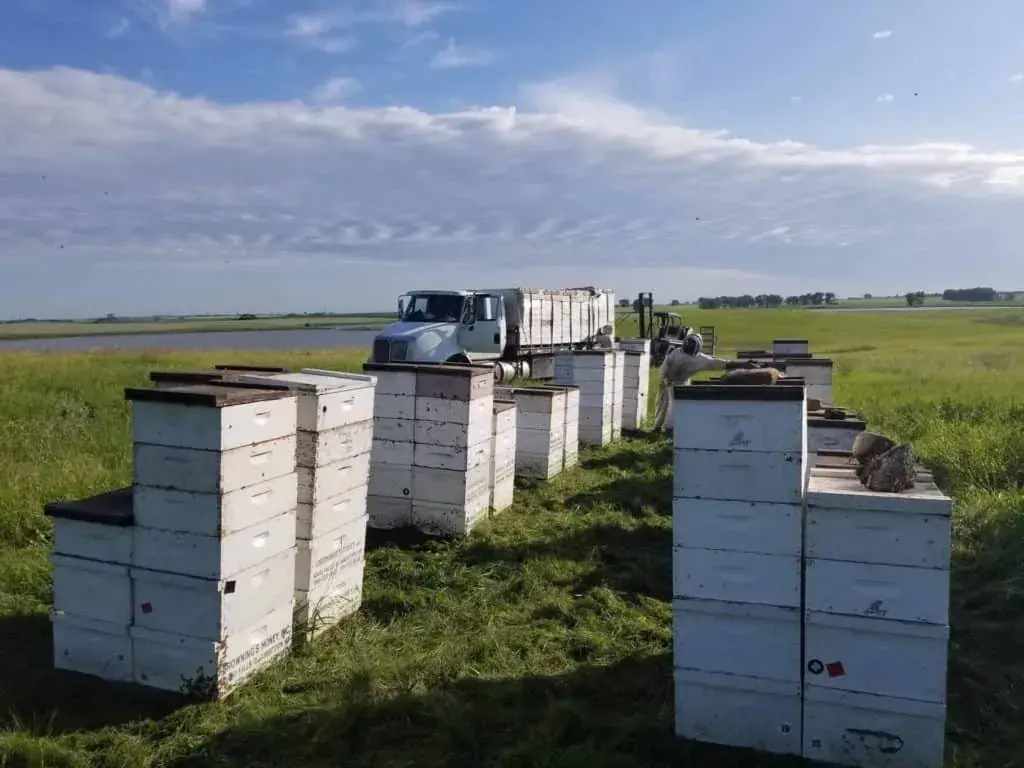
bee nests

Let’s explore the most common types of bee nests and what makes each one special. 

Honeybee Hives 

Honeybee hives consist of a series of wax combs filled with hexagonal cells used to store honey and pollen and raise young bees. They are found in hollow trees or rock crevices or are made and managed by beekeepers. Honeybees build their hives by consuming honey and producing beeswax. They then chew beeswax to make it soft and malleable, allowing it to be shaped into the honeycomb cells. 

The cells are arranged in a specific way, with the honey stored at the top, pollen in the middle, and the bees in the lower part. They design their home in a hexagonal shape because it uses the least amount of wax to hold the most volume. Honeybees regulate the temperature inside their hives, keeping it around 95 degrees for the colony’s health. 

Bumblebee Nests

Bumblebee nests consist of small, messy, ball-like wax structures often lined with grass or moss. They are found in underground burrows (often abandoned rodent holes), under compost heaps, or in grassy tussocks. These bees line the nests with insulating material like dry grass, fur, or leaves to keep the colony warm and often cover it with a protective wax cap. 

Unlike honeybees, bumblebee colonies only last one season, dying out in winter except for the new queens. In the spring, the new queen emerges from hibernation and establishes a nest from scratch. She creates wax pots to store nectar and pollen for energy and lays her eggs in cells on top. As workers hatch, they help grow the nest, which can contain hundreds of bees during the peak season. 

Carpenter Bee Nests

Carpenter bee nests consist of tunnels burrowed into untreated wood, such as decks, fences, eaves, or dead trees. Females create neat, round entry holes about the size of a dime using their strong mandibles, before turning at a right angle to follow the grain. They add a series of chambers within this tunnel, adding a ball of pollen and a single egg to each. These solitary bees may also reuse and expand existing tunnels, returning to the same nesting area for generations. 

While carpenter bees drill into wood to create nesting tunnels, they don’t actually eat it. 

Mason Bee Nests

These solitary pollinators live in mud- or clay-lined cells, often in hollow stems, cracks, or pre-made bee houses. You can find their nests in gardens, orchards, and areas with plenty of natural cavities. Each cell in the nest contains bee larvae, pollen, and nectar, and is sealed with a final, thick layer of mud. Mason bees are excellent pollinators — one mason bee can pollinate as much as 100 honeybees.

Leafcutter Bee Nests

Leafcutter bee nests consist of tubular structures lined with circular pieces of leaves carefully cut by the female bee. You can find them in hollow twigs, soil burrows, or a bee house. Each leaf-lined cell contains a ball of nectar and pollen, a single egg, and a leaf-disk cap to seal the chamber. 

Leafcutter bees are gentle and rarely sting, making them a favorite among gardeners. Minor leaf damage from their nesting activities is considered a sign of a healthy garden ecosystem. 
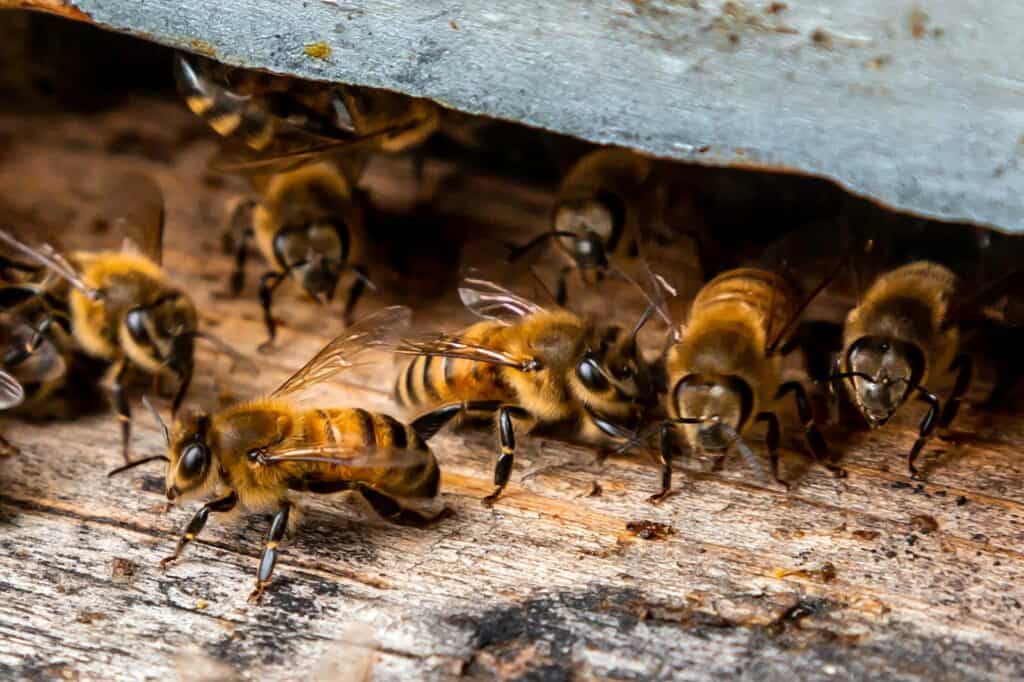
Beeswax for sale USA

Mining Bee Nests

Mining bees live in cone-shaped piles of loose soil that contain a hole leading into underground tunnels and chambers for the queen’s larvae. They are found in sandy soils, lawns, and field edges, and while they may look like ants when digging, mining bees are harmless and excellent spring pollinators. Hundreds or thousands of mining bees may nest in the same area, creating a noticeable patch of activity for a few weeks in the spring. 

Bee Nests: A Show of Creativity and Ingenuity 

Bee nests come in all shapes and sizes, reflecting the incredible diversity of the bee world. From the bustling honeybee hives to the solitary tunnels of carpenter and mason bees, each type of nest plays a role in supporting pollination and biodiversity. Understanding how each bee species creates its nest helps us not only appreciate them but also reminds us how important it is to protect their habitats.
Filed Under: Honey

Table of Contents

  • Honeybees: Staying Warm in the Hive
  • Bumblebees: Queens in Hibernation 
  • Solitary Bees: Waiting It Out
  • How You Can Help Bees Survive the Winter 
  • How We Protect Our Bees During the Winter 
  • Buzzing Through Winter

When most people think of bees, they picture warm summer days filled with buzzing hives, blooming flowers, and busy pollinators. But what happens to these hardworking insects when the temperatures drop and flowers disappear? Unlike many creatures that hibernate or migrate, bees have unique strategies to survive the long winter months. 

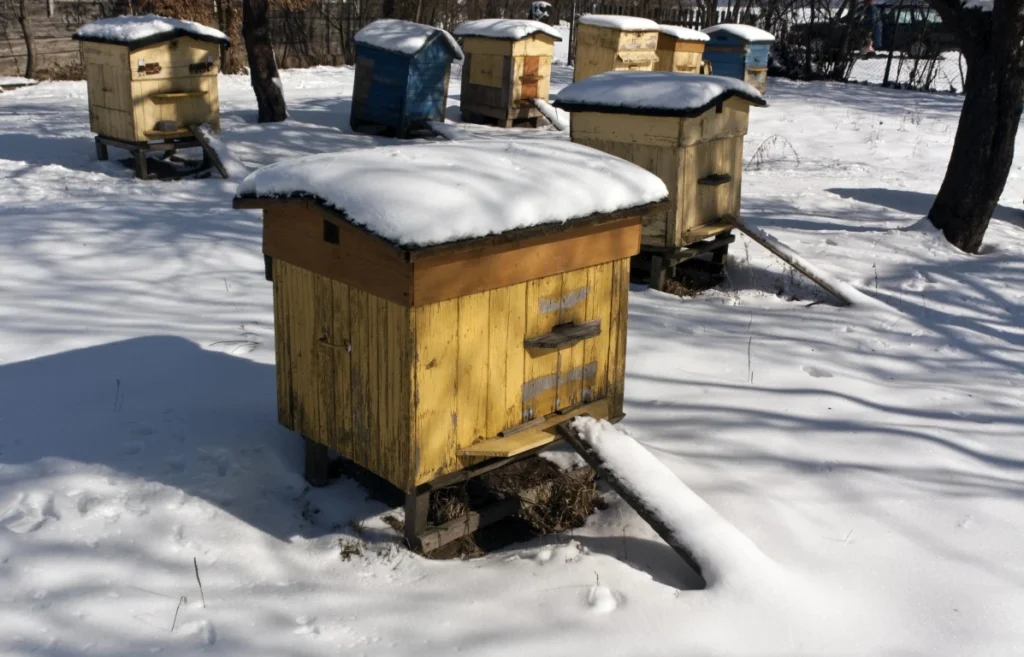
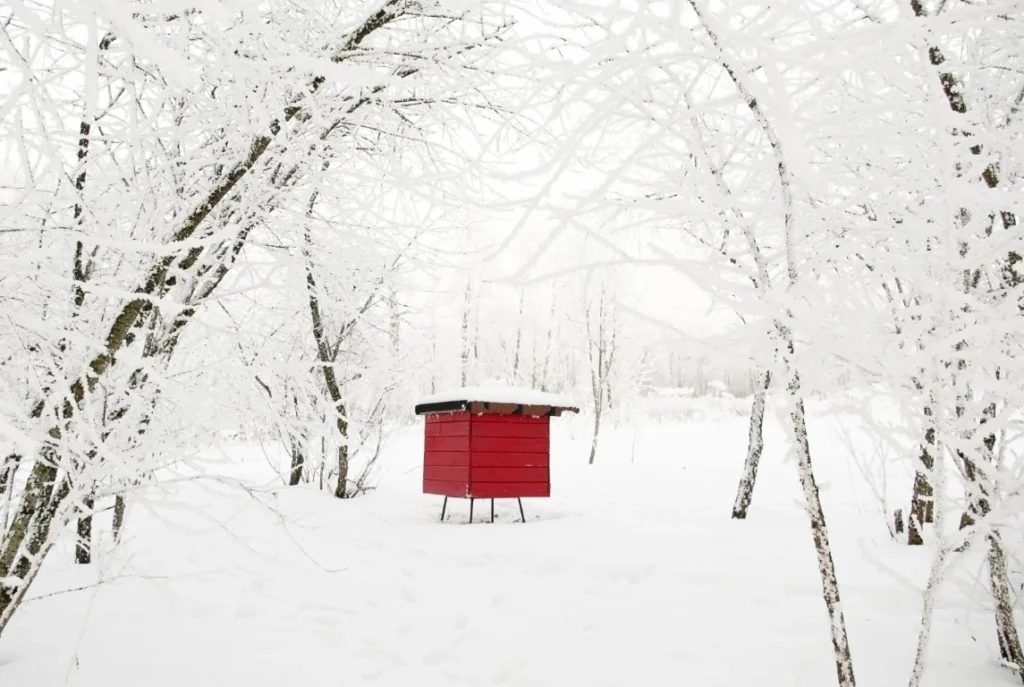
how bees survive winter

Honeybees: Staying Warm in the Hive

Honeybees don’t hibernate; they form a “winter cluster” inside their hive. The bees huddle tightly together around the queen, vibrating their wings to generate heat. This cluster can maintain a temperature of around 90 to 95 degrees in the center, even when it’s freezing outside. The bees take turns moving from the warm inner circles to the colder outer edges to ensure the whole colony survives. 

To fuel this process, honeybees rely on the honey and pollen they stored during the warmer months. A healthy hive can consume 30 to 60 pounds of honey over the winter. For this reason, beekeepers often leave plenty of honey behind or provide supplemental feeding to support their colonies. 

Winter honeybees are a bit plumper, so they can maintain more heat and have a longer lifespan, so they can last the whole winter. 

Honeybees are also very mindful of hygiene and don’t like to soil their hive unless they get sick. Once the temperature reaches 50 degrees, they will take part in “cleansing flights” where they release all their waste to keep their home clean and reduce the spread of disease.   

What Happens to the Drones?

The colony expels the male drones from the hive to reduce the competition for food and resources. However, a few drones may stay to help generate heat and keep the colony alive. 

Bumblebees: Queens in Hibernation 

Unlike honeybees, bumblebee colonies don’t survive the winter. Only the fertilized queens make it through. In the late fall, these queens burrow into the ground or hide in sheltered areas and enter a state of arrested development called diapause (similar to hibernation) until spring. They produce a natural antifreeze, glycol, to prevent their hemolymph from freezing and protect their bodily tissues. When warmer weather returns, they emerge, start a new colony, and the cycle begins again. 

Solitary Bees: Waiting It Out

Many solitary bee species survive the cold months differently. Some overwinter as larvae or pupae inside tunnels, hollow stems, or soil, protected until the weather warms. Others, like certain mason bees, remain dormant in cocoons until spring blossoms provide their first meal. During this period, their metabolism slows down to save energy. Before the colder weather sets in, the female bee gives each nest cell a ball of pollen and nectar, creating a vital food store. 

How You Can Help Bees Survive the Winter 

Understanding how bees survive winter helps us appreciate just how resilient — and vulnerable — these creatures are. However, harsh temperatures and weather, lack of food stores, and habitat loss can all threaten their survival. To help them make it through the long, cold winter months, you can: 

Avoid Tidying — Avoid disturbing leaf and twig piles in the fall, as these can provide shelter for hibernating queens. Additionally, don’t clear dead stems. Hollow stems from perennial plants provide nesting sites for certain solitary bees. 

Delay Mowing — Wait until late spring to mow or till your yard, as the queen bumblebees may be overwintering in small holes in the ground. Avoid using pesticides as these could harm bees and other insects. 

Leave the Compost — A compost heap or undisturbed patches of soil can provide queen bumblebees with suitable overwintering sites. 

Plant Winter–Flowering Flowers — In milder climates, planting flowers like snowdrops, aconites, or Mahonia can provide late-season nectar and energy to emerging queens. 

If you have your own hive, ensure you insulate it, place it in a sunny spot, and maintain it to prevent moisture buildup. In addition, ensure the colony has enough honey to last the season.

Buzzing Through Winter: How Bees Stay Alive

How We Protect Our Bees During the Winter 

At Browning’s Honey, our beehives are loaded into winter storage buildings in Eastern Idaho until February, when they are shipped to California to perform vital pollination services for fruit and nut growers.

Buzzing Through Winter

Even though we don’t see bees flying from flower to flower during the colder months, they are far from inactive. Honeybees huddle together in their hives, bumblebee queens rest underground, and solitary bees wait in cocoons or nests until spring. Each species has its own survival strategy, reminding us just how adaptable and resilient these pollinators are. By understanding and supporting them, we can help ensure that when spring arrives, bees are ready to return to the vital work of pollination. 

Filed Under: Honey

Table of Contents

  • A Natural Energy Booster
  • Post-Workout Recovery
  • Supporting Overall Health
  • Other Benefits 
  • Smart Ways to Add Honey to Your Routine
  • Portion Control Matters
  • Honey: More than Just an Alternative Sweetener 
honey and health

When you think about fueling your workouts or recovering from exercise, honey might not be the first thing that comes to mind. However, this golden superfood has been used for centuries as both a source of nourishment and a natural medicine. Whether you enjoy weekend jogs, hit the gym weekly, or simply want to improve your overall wellness, honey can play a surprisingly powerful role in supporting your health and fitness routine. 

A Natural Energy Booster

Honey is rich in natural sugars (mainly glucose and fructose), which your body absorbs quickly for an instant energy boost. Unlike refined sugar, honey also provides trace vitamins, minerals, and antioxidants to help you stay fueled without the crash. Many athletes use honey before or during workouts as a clean, natural carbohydrate source. 

Try adding a spoonful of honey to warm water, tea, or a smoothie about 30 minutes before exercise for sustained energy.

Post-Workout Recovery

After a tough workout, honey can help your body:

Replenish Glycogen — Honey provides carbohydrates that are quickly converted to glucose to efficiently restore glycogen, the primary fuel source used during exercise. 

Repair Muscles — The combination of honey’s sugars with a protein source, such as a shake, yogurt, or handful of nuts, can increase the delivery of amino acids to muscles, prompting muscle protein synthesis for faster repair and growth. 

Reduces Inflammation and Soreness — The antioxidants in honey have anti-inflammatory properties that can help decrease post-exercise inflammation and reduce soreness. 

Supports Immune Function — Strenuous workouts can temporarily suppress the immune system. Honey’s antimicrobial and antioxidant properties can help support a healthy immune response. 

Raw honey has no additives, making it a cleaner option for athletes who prefer whole-food fueling. It can be just as effective as commercial sports gels in improving endurance and maintaining blood sugar during prolonged exercise. Consider using manuka honey as it has a rich nutritional profile and potential benefits for muscle recovery. 

Supporting Overall Health

Beyond exercise, honey supports long-term health:

Immune System Boost — Its antibacterial and antimicrobial properties can help you fight off illness. 

Digestive Aid — Raw honey can act as a prebiotic, providing food for the beneficial bacteria in your gut, which can promote gut health, help with nutrient absorption, and soothe digestive discomfort. 

Better Sleep — A small spoonful before bed can help regulate blood sugar and encourage restful sleep, which is crucial for recovery and performance. 

Vitamins and Minerals — Honey provides small amounts of various vitamins and minerals, including B vitamins, calcium, magnesium, and potassium, which are all essential for muscle function, nerve signaling, and hydration. 

Lower Blood Sugar Levels — Replacing refined sugar with honey can lead to a slower rise in blood sugar levels, as it offers nutrients and has a lower glycemic index. 

Helps Your Heart — Honey may reduce cholesterol levels and improve blood pressure, potentially lowering the risk of heart disease.

Other Benefits 

Aids in Wood Healing — Honey’s antibacterial and antiseptic properties promote wound healing and reduce the risk of infection. It can be used to treat burns, as well as acne and other skin conditions. 

Helps Suppress Coughs — Honey can be used to help suppress coughing and soothe sore throats when sick. 

Helps with Seasonal Allergies — Local honey may help reduce seasonal allergy symptoms, which can benefit outdoor athletes. 

Smart Ways to Add Honey to Your Routine

If you want to add honey to your diet, consider:

  • Stirring it into morning oatmeal for lasting energy.
  • Mixing it into a homemade electrolyte drink with water, lemon, and a pinch of salt. 
  • Spreading it on whole-grain toast with peanut butter for a quick pre-workout snack.
  • Blending it into smoothies for a natural sweetness and recovery benefits. 
  • Using it instead of sugar in cookies, cakes, muffins, and other baked goods.
Honey for Health: A Natural Boost to Your Fitness Goals

Portion Control Matters

While honey is healthy, it’s still calorie-dense. About one tablespoon has 60 calories, so it should only be consumed in moderation as part of a balanced diet. Think of it as a performance enhancer or recovery aid — not something to overdo. 

People with diabetes should monitor blood sugar closely and consult a healthcare professional before making honey a daily staple. 

Honey: More than Just an Alternative Sweetener 

Honey isn’t just a sweet treat — it’s a natural performance enhancer, recovery aid, and immune supporter. When used in moderation, it can be a valuable addition to a healthy diet and active lifestyle. So, next time you need a quick boost before a workout or a gentle way to recharge afterward, consider skipping the sports drinks and reaching for nature’s original energy gel: honey. 

Filed Under: Honey

  • « Previous Page
  • 1
  • 2
  • 3
  • 4
  • …
  • 9
  • Next Page »
Shop Online

Locations

9019 N 5 E
Idaho Falls, Idaho 83401

1475 S Holmes Ave.
Idaho Falls, ID 83404
(On S Holmes between 14th and 15th Street)

208-516-2263

Menu

  • Honey Shop
  • Our Apiary
  • Benefits of Honey
  • The Buzz
  • Gift Shop
  • Contact Us

Hours

Monday 9:00 AM - 5:00 PM
Tuesday 9:00 AM - 5:00 PM
Wednesday 9:00 AM - 5:00 PM
Thursday 9:00 AM - 5:00 PM
Friday 9:00 AM - 5:00 PM
Saturday 10:00 AM - 4:00 PM
Sunday CLOSED

Refund & Returns Policy

Refund & Returns Policy

Browning’s Honey

© 2025 Browning's Honey | All Rights Reserved | Privacy Policy | Terms | XML Sitemap | Sitemap | Accessibility | Anti Discrimination | Site by PDM