FREE SHIPPING ON ORDERS $20 AND OVER

CALL 208-516-2263

Browning's Honey

Browning's Honey

Buy Raw Honey Online

×

Your cart is currently empty!

  • Honey Shop
    • Classic Honey
    • Clover Honey
    • Creamed Honey
    • Flavored Honey
    • Honey Butter
    • Beeswax Blocks
  • Our Apiary
  • Benefits of Honey
  • The Buzz
    • Blogs
    • FAQs
    • Honey Facts, Tips, And Recipes
    • Kid’s Corner
    • Upcoming Events
  • Gift Shop
  • Contact Us
    • Refund and Returns Policy

Home | Archives for Cynthia Browning | Page 4

Table of Contents

  • The Queen Bee: A Life of Reproduction  
  • The Worker Bees: The True Powerhouse
  • Don’t Forget the Drones: The Short-Lived Males
  • Why You Should Understand Hive Dynamics 
  • So, Who’s Really in Charge?
Inside the Hive: The Roles of Queen, Worker, and Drone Bees

When you think of a beehive, you may imagine the queen bee reigning supreme and commanding her loyal workers like a monarch on a throne. However, that may not actually be the reality of the hive. The truth is more complex — and fascinating — than most people realize. Let’s take a closer look at the roles of queen, worker, and drone bees to discover who’s really in charge, and how a beehive operates.

The Queen Bee: A Life of Reproduction  

The queen bee is the only fertile female in a healthy hive, and she is responsible for laying all the eggs, which is up to 2,000 per day during the peak season. She’s born from a regular egg, just like worker bees, but is fed a diet of royal jelly, which triggers her transformation into a queen. Royal jelly contains more honey and pollen than the “larve jelly” eaten by workers and drones, and allows queens to grow larger than other females. 

Bees become queens only because, as eggs, they got lucky and were laid in cells specifically designated for raising queens. It’s a matter of sheer luck. 

But rather than a queen, she is more of the mother of the hive, spending her days:

  • Laying eggs to ensure the colony’s future.
  • Releasing pheromones that regulate the behavior of other bees. 
  • Maintaining hive unity through chemical communication.

Despite her title, the queen doesn’t “rule” the hive in the traditional sense. She never gives out orders or makes strategic decisions. 

The Worker Bees: The True Powerhouse

Worker bees are all female and make up the vast majority of the colony. These multitaskers go through different roles throughout their lives, starting as nurse bees and eventually becoming foragers. 

Inside the Hive: The Roles of Queen, Worker, and Drone Bees

Except for reproduction, worker bees handle everything, including:

  • Feeding larvae 
  • Cleaning and clearing out debris 
  • Building the hive and honeycomb (a small section may take hundreds of bees to build)
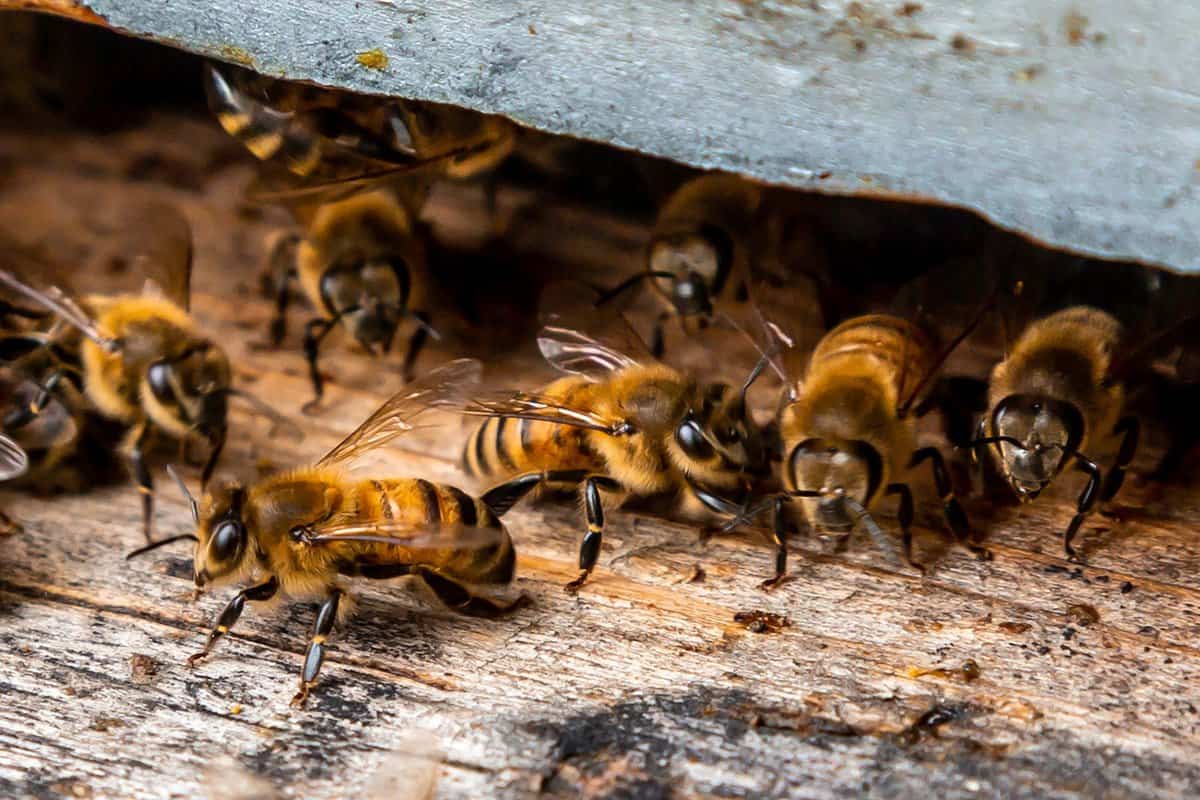
  • Guarding the hive entrance
  • Gathering pollen, nectar, propolis, and water
  • Regulating hive temperature 
  • Making repairs
  • Cleaning other bees
  • Capping honeycomb, packing pollen, and ripening nectar into honey 

Additionally, since the queen bee is so busy laying eggs, she has worker bee attendants who follow her around all day, feeding and cleaning her. 

Worker bees also decide when it’s time to replace the queen — either due to age, health, or pheromone decline. In those cases, they’ll raise a new queen by feeding selected larvae royal jelly. Thus, worker bees not only run the hive, but they also control its leadership. 

Don’t Forget the Drones: The Short-Lived Males

While queen and worker bees are both female, drone bees are the male members of the colony — and they live a very different life. There are approximately 100 female worker bees for every drone.

What Do Drones Do?

  • Their sole purpose is to mate with a virgin queen.
  • They don’t collect nectar, build honeycomb, or defend the hive.
  • After mating (if they’re successful), they die immediately 
  • If they don’t mate, they’re often expelled from the hive before winter, since they consume resources but don’t contribute to survival tasks. 

Drone bees are incapable of feeding themselves or foraging for food. They also don’t have a stinger. 

So, Why Keep Drones at All?

Even though drones don’t help with hive maintenance, their genetic diversity plays an essential role in the health of bee populations. A successful mating event ensures the next queen will produce robust and diverse offspring. 

Why You Should Understand Hive Dynamics 

Understanding the dynamics of the hive helps people appreciate the complexity of nature — and the importance of each bee’s role. It also offers insights into teamwork, leadership, and even community resilience. It also gives you a newfound appreciation for the hard role of worker bees. 
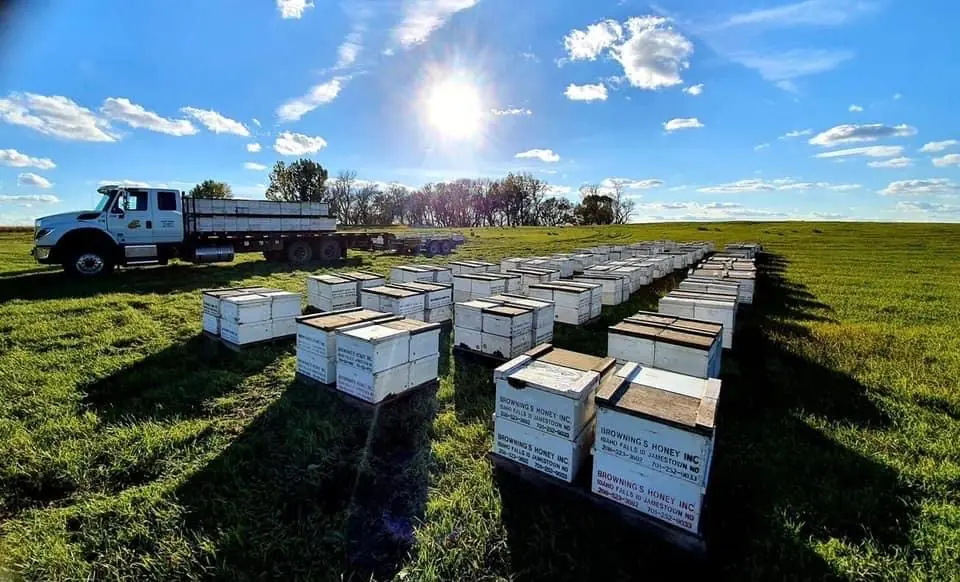
Our Apiary Browning's Honey

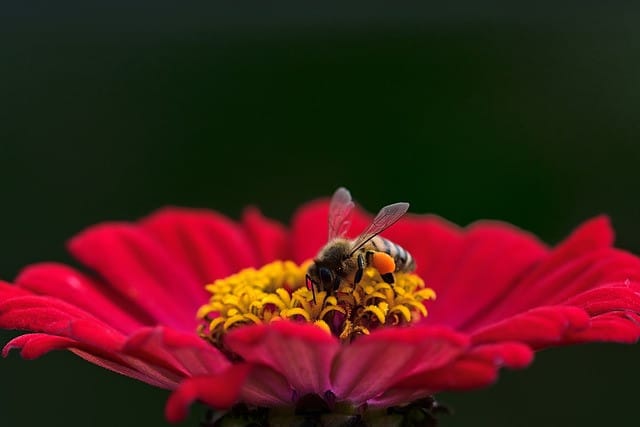
Here are some details to help you identify the different types of bees:

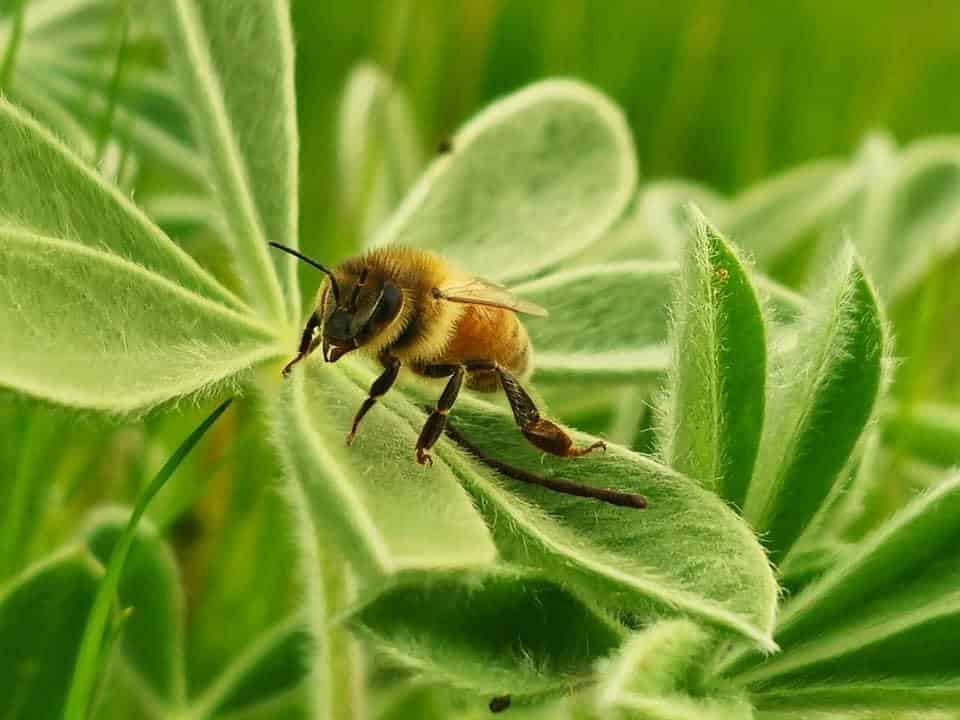
Worker Bee — This bee has a smaller body and is often seen around flowers.

Queen Bee — The queen is caramel-colored with a longer body. You may not ever see her, though, as she rarely leaves the hive. 

Drone Bee — Drone bees have large eyes, a wide body, and a round butt. 

So, Who’s Really in Charge?

While the queen is vital to the hive’s survival, she’s more a biological necessity than a ruler. The worker bees make most of the decisions, including where to move the hive, when to swarm, and when to kill the old queen and raise a new one. 

Their collective intelligence and communication allow the colony to adapt, survive, and thrive. Thus, the worker bees are the ones who run the hive. 
Filed Under: Honey

Table of Contents

  • Plant Bee-Friendly Flowers
  • Skip the Pesticides
  • Buy Local Honey and Bee Products
  • Leave the Weeds
  • Create Bee Hotels or Habitats
  • Understand the Types of Bees
  • Educate and Advocate 
  • Small Changes, Big Impact
How to Support Honey Bees

Honey bees play a vital role in pollinating the plants that produce much of our food. Unfortunately, their populations have been declining due to habitat loss, pesticide use, parasites, and disease. The good news? You don’t need to be a beekeeper to help. You can support your local bee population from your own backyard and neighborhood.

Plant Bee-Friendly Flowers

Bees rely on flowers for nectar and pollen. You can support them by planting a variety of native, pollinator-friendly plants. Because they become active during specific times of the year, make sure you plant flowers that bloom from early spring to late fall to ensure bees have a constant food source. 

Top picks include:

  • Lavender
  • Coneflower (Echinacea)
  • Bee balm
  • Black-eyed Susans
  • Sunflowers
  • Milkweed (which also benefits monarch butterflies)

Avoid hybrid flowers; they may look pretty, but they offer little nectar or pollen. If you find it difficult to find native plants in your area, research non-invasive pollinator-friendly alternatives appropriate to your location. 

If possible, consider also planting trees, such as maple trees, fruit trees, dogwood trees, serviceberry trees, and other bee-friendly species. Trees provide bees with more food and spaces to nest, especially in the early spring before smaller plants begin to bloom. 

Fun Fact: Bees must visit two million flowers to make one pound of honey. 

Skip the Pesticides

Even small amounts of pesticides — especially neonicotinoids — can be deadly to bees. Opt for organic gardening practices, natural pest control methods, or bee-safe alternatives if you must treat plants. 

Instead of pesticides, consider using:

Neem Oil — This is a broad-spectrum insecticide and fungicide derived from the neem tree. It works against pests, such as aphids, scale, and whiteflies. While considered safe for bees, avoid spraying directly on open blooms, where bees are. 

Insecticidal Soap — These soaps are made from fatty acids and work against soft-bodied insects like aphids, mites, and whiteflies by disrupting the insects’ cell membranes. Like neem oil, avoid spraying when bees are present. 

Provide Fresh Water

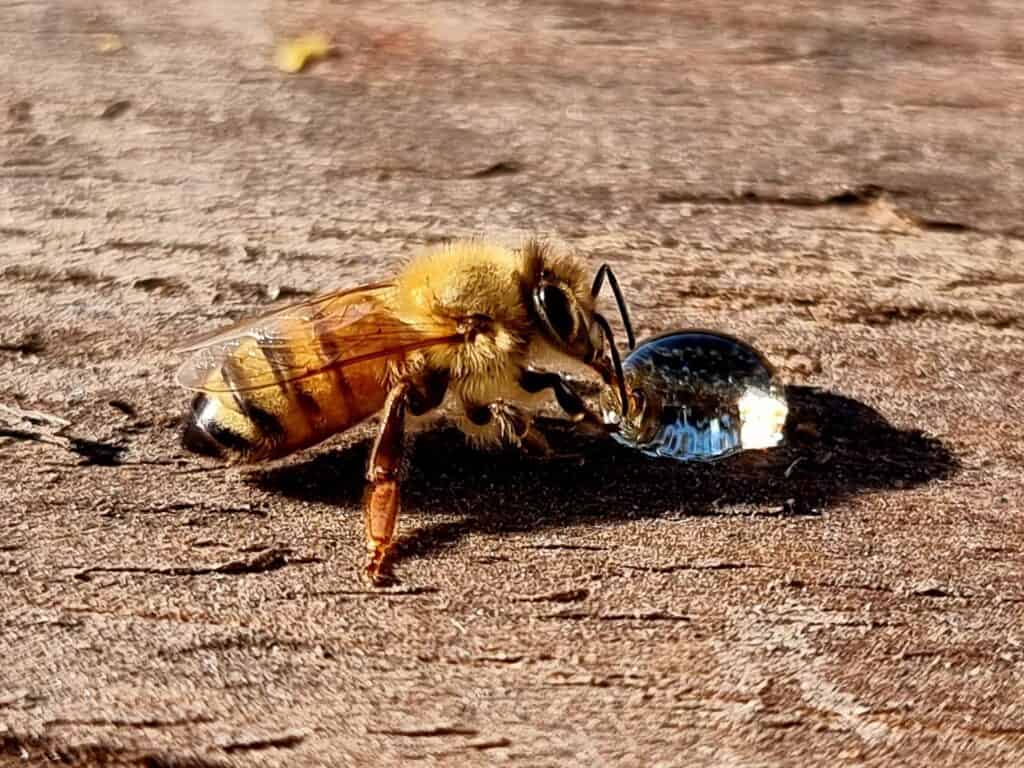
Like all creatures, bees need water. Add a shallow dish with clean water and pebbles or twigs where they can land safely. Place it near flowering plants or shaded areas to create a bee oasis. Dumb the water every few days and replace it with fresh water to eliminate any mosquito larvae in the water. 

If you come across a sleepy or lethargic bee, you can try offering it a solution of water and sugar to boost its energy. 

How to Support Honey Bees

Buy Local Honey and Bee Products

Support your local beekeepers by buying raw, unfiltered honey, beeswax candles, and other bee-made products from farmers’ markets and local shops. This helps fund responsible, sustainable beekeeping practices that benefit bee populations directly. 

Browning’s Honey supports local bees by staying up to date on the latest research and stewardship practices and remaining dedicated to protecting and helping bees thrive. 

Leave the Weeds

Not all weeds are bad — clover, dandelions, and goldenrod are great food sources for bees, especially in early spring or late fall. Letting parts of your yard grow a little wild can make a big difference. 

Create Bee Hotels or Habitats

Many native bees, like mason bees, don’t live in hives but instead nest in the ground or hollow stems. You can help by: 

  • Leaving bare patches of soil.
  • Creating bee hotels using bundles of bamboo or drilled wood.
  • Not disturbing leaf litter or fallen branches during nesting seasons. 
  • Leave plant stems standing through winter.

Be mindful when mowing and make sure you don’t destroy any underground bee nests. 

Understand the Types of Bees

Not all bees you encounter will be honey bees. North America is home to over 4,000 species, including bumblebees, mason bees, and leadcutter bees. Many of these are more efficient pollinators than honey bees. Supporting honey bees means supporting all bees, as they all work together to support the ecosystem.

How to Support Honey Bees

Educate and Advocate 

Talk to your neighbors about bee-friendly gardening, support local conservation efforts, and encourage your community to plant pollinator gardens in shared spaces like schools and parks. Encourage local governments to adopt policies that promote bee habitats and reduce pesticide use. 

Small Changes, Big Impact

One-third of the food we consume relies on pollinators. To support local honey bees, you don’t need a hive or a garden full of bees to make a difference. You just need to plant the right flowers, avoid pesticides, and make conscious choices about what you buy and how you garden. By creating a welcoming environment, you ensure bees and the ecosystems they support can thrive. 

Filed Under: Honey

Surprising Health Benefits of Honey You Probably Didn’t Know

For centuries, honey has been celebrated for its sweetness and versatility — but this golden liquid offers more than flavor for your tea or cornbread. Packed with antioxidants, enzymes, and natural healing properties, honey has earned its reputation as a powerful health booster. While many people use it to soothe a sore throat, you may be surprised to learn about its lesser-known health benefits. 

Raw Honey vs. Regular Honey

If you want to receive the most health benefits from honey, ensure you get it in its purest form —straight from the hive, unheated and unprocessed. Raw honey contains natural enzymes, antioxidants, and bee pollen. Bee pollen contains vitamins, minerals, amino acids, and antioxidants. 

Regular honey is often pasteurized and filtered. While this gives it a smoother texture and longer shelf life, it can strip away some of the nutrients and benefits, including pollen. Processed honey may also contain added sugars, such as high fructose corn syrup. 

A Natural Energy Booster

Minimally processed honey provides a natural source of carbohydrates and sugars that give you a sustainable energy boost. The glucose in honey is easily absorbed by the body, making it ideal for athletes or anyone needing a pick-me-up without the crash. And, unlike regular sugar, it contains a bit of protein, minerals, and amino acids. 

Gut Health Supporter

Raw honey contains prebiotics that help nourish the good bacteria in your gut. A healthy gut microbiome plays a key role in digestion, immunity, and even mental health. Adding a spoonful of raw honey to your daily routine can promote the growth of healthy bacteria and work against harmful pathogens in your gut, such as E.coli. 

Wound Healing Superpower

Honey is the oldest wound treatment and healing agent; it has been used topically since ancient Egypt. Honey has remarkable antibacterial and anti-inflammatory properties. Medical-grade honey, such as Manuka honey, is often used in hospitals to promote faster healing and prevent infections in wounds and burns.

A Natural Cough Suppressant  

Studies show that honey can be just as effective as common cough medications, especially for children over one year old. It coats the throat, reduces irritation, and provides soothing relief. Consider adding honey and lemon to hot water for a soothing throat tea. 

Note: Never give honey to infants under one year old due to the risk of botulism. 

Surprising Health Benefits of Honey You Probably Didn’t Know

Great Source of Antioxidants

Honey is loaded with powerful antioxidants like phenolic compounds, which help fight free radicals in the body. These antioxidants are linked to a reduced risk of heart disease, lower blood pressure, reduced bad cholesterol, improved brain health, and even anti-aging benefits for your skin. 

Sleep Supporter 

If you have trouble sleeping, a spoonful of honey before bed may help. Honey can promote the release of melatonin — the hormone responsible for sleep — by slightly raising insulin levels and stimulating tryptophan in the brain. 

Blood Sugar Management 

While honey is a sweetener, some research indicates that it may have a more positive impact on blood sugar levels compared to refined sugar, making it a beneficial addition to a balanced diet. It may also help those with diabetes, helping lower the level of sugar in the blood and reducing blood lipid and reactive protein content. 

Mental Health Supporter

Studies have suggested that, along with physical health benefits, honey may provide antidepressant, anticonvulsant, and anti-anxiety benefits due to its antioxidant and anti-inflammatory effects as well as its influence on serotonin levels. It may also help prevent memory disorders.

May Help with Seasonal Allergies

Surprising Health Benefits of Honey You Probably Didn’t Know

Although research is mixed, some believe that local, raw honey may help build tolerance to local pollen, potentially reducing allergy symptoms over time. While it’s not a guaranteed cure, it’s worth trying. 

How to Incorporate Honey Into Your Routine

  • Add a spoonful to warm (not hot) tea to preserve its beneficial enzymes
  • Use it as a natural sweetener in smoothies, on toast, or in oatmeal.
  • Apply it directly to minor cuts, scrapes, or burns as a topical treatment (using medical-grade honey is best for this).
  • Mix honey with lemon and ginger for a homemade immunity-boosting tonic.
  • Try it in DIY face masks for antibacterial, moisturizing skin benefits.

The Bottom Line

Honey is much more than a natural sweetener. From boosting energy levels and aiding digestion to supporting wound healing and promoting sleep, the health benefits are numerous. Just be sure to choose raw or minimally processed honey and consume it in moderation to get the most out of its natural goodness. Consult with your doctor if you have allergies or health concerns.

Table of Contents

  • Raw Honey vs. Regular Honey

Filed Under: Honey

  • « Previous Page
  • 1
  • 2
  • 3
  • 4
  • 5
  • 6
  • …
  • 9
  • Next Page »
Shop Online

Locations

9019 N 5 E
Idaho Falls, Idaho 83401

1475 S Holmes Ave.
Idaho Falls, ID 83404
(On S Holmes between 14th and 15th Street)

208-516-2263

Menu

  • Honey Shop
  • Our Apiary
  • Benefits of Honey
  • The Buzz
  • Gift Shop
  • Contact Us

Hours

Monday 9:00 AM - 5:00 PM
Tuesday 9:00 AM - 5:00 PM
Wednesday 9:00 AM - 5:00 PM
Thursday 9:00 AM - 5:00 PM
Friday 9:00 AM - 5:00 PM
Saturday 10:00 AM - 4:00 PM
Sunday CLOSED

Refund & Returns Policy

Refund & Returns Policy

Browning’s Honey

© 2025 Browning's Honey | All Rights Reserved | Privacy Policy | Terms | XML Sitemap | Sitemap | Accessibility | Anti Discrimination | Site by PDM