FREE SHIPPING ON ORDERS $20 AND OVER

CALL 208-516-2263

Browning's Honey

Browning's Honey

Buy Raw Honey Online

×

Your cart is currently empty!

  • Honey Shop
    • Classic Honey
    • Clover Honey
    • Creamed Honey
    • Flavored Honey
    • Honey Butter
    • Beeswax Blocks
  • Our Apiary
  • Benefits of Honey
  • The Buzz
    • Blogs
    • FAQs
    • Honey Facts, Tips, And Recipes
    • Kid’s Corner
    • Upcoming Events
  • Gift Shop
  • Contact Us
    • Refund and Returns Policy

Home | Archives for Cynthia Browning | Page 5

In the world of nature’s culinary marvels, few creations hold the sheer charm and allure of the honeycomb. With its intricate hexagonal patterns, captivating golden hue, and delectable contents, honeycomb is not only a testament to the marvels of nature’s design but also a source of culinary delight and versatile applications.

This article delves into the captivating world of honeycomb, unraveling its mysteries and exploring its various uses beyond the sweet treat it holds within.

What is Honeycomb?

Honeycomb, quite literally, is nature’s architectural marvel. It’s the intricate structure bees construct from beeswax to store honey and raise their brood. The hexagonal pattern is ingeniously designed to maximize space efficiency while minimizing the use of materials. This structure also offers remarkable strength, showcasing a perfect blend of nature’s efficiency and elegance.

How Do Bees Use Honeycomb?

The process of honeycomb construction begins with bees collecting nectar from flowers. This nectar is brought back to the hive and regurgitated by the worker bees into the hexagonal cells of the honeycomb. The bees then fan the nectar with their wings, reducing its moisture content through evaporation. This transformation turns the nectar into the golden treasure we know as honey. Beyond its role as a repository for honey, the honeycomb serves as a versatile storage solution for various hive necessities. If you think of a beehive like a house, the honeycomb makes up all the rooms, or cells, of the house. A cell is one single hexagon in the comb, and individual cells serve the colony in different ways. Worker bees utilize different cells within the honey comb for different purposes. Larger cells, for instance, are used for storing pollen, a vital protein source, while smaller cells become home to developing bee larvae. In the heart of the honeycomb lies a segment dedicated to nurturing the next generation of honey bees. Known as brood cells, these hexagonal chambers provide a safe haven for eggs laid by the queen bee. These eggs hatch into larvae that are meticulously fed a concoction of pollen and honey by worker bees until they metamorphose into adult bees. One of the wonders of the honeycomb lies in its hexagonal cell pattern. This geometric marvel isn’t just aesthetically pleasing; it’s an astonishing example of efficient space utilization. Bees instinctively construct hexagons because this shape requires less wax and offers optimal structural stability, allowing the honey comb to hold substantial weight without collapsing.

Can You Eat Honeycomb?

Absolutely! In fact, indulging in the delights of honey comb is a unique culinary experience. The waxy structure encapsulates the rich, raw honey produced by bees. This honey is often considered more intense in flavor and aroma than its liquid counterpart. When you consume honeycomb, you’re treated not only to the luscious sweetness of the honey but also to the satisfying texture of the wax. It’s a delightful combination that elevates the act of honey consumption into a multisensory adventure.

What Are the Benefits of Eating Honeycomb?

Honeycombs Wooden Platter When it comes to the benefits of eating honeycomb, it’s not just about the golden liquid stored within. Each individual cell within the honeycomb serves as a microcosm of nutrition. Apart from the honey, these cells also house pollen – a potent source of vitamins, minerals, antioxidants, and protein. Consuming honeycomb introduces you to a harmonious blend of honey and pollen, delivering a more complete and diverse range of nutrients compared to consuming honey alone.
  1. Immune Support: The pollen stored within honey comb is renowned for its immune-boosting properties. Its diverse array of nutrients and antioxidants can help fortify your body’s natural defense mechanisms.
  2. Digestive Aid: Honey comb contains natural enzymes that aid digestion and promote gut health. These enzymes contribute to breaking down complex sugars and facilitating nutrient absorption.
  3. Energy Boost: The natural sugars present in honey comb, coupled with the sustained energy release from pollen, can provide a gentle and lasting energy boost – perfect for a quick pick-me-up.
  4. Skin Radiance: The beeswax present in honeycomb offers benefits not just for internal health but also for external beauty. Beeswax is often used in skincare products for its moisturizing and protective properties.
  5. Rich in Antioxidants: Honeycomb, with its combination of honey and pollen, is a powerhouse of antioxidants. These compounds help combat oxidative stress, promoting overall well-being and reducing the risk of chronic diseases.
  6. Allergy Relief: Local honey, often found within honeycomb, contains trace amounts of local pollen. Regular consumption of local honey comb may help desensitize your body to pollen allergies, offering relief during allergy seasons.
  7. Bone Health: Calcium is essential for strong bones, and honey comb contains small amounts of this vital mineral. Incorporating honeycomb into your diet can contribute to your daily calcium intake.
  8. Natural Sweetness with a Lower Glycemic Index: Honeycomb offers a balanced blend of natural sugars, including fructose and glucose. The presence of pollen may also contribute to a lower glycemic index compared to processed sugars, leading to more controlled blood sugar levels.
  9. Heart Health: The combination of honey and pollen can have a positive impact on cardiovascular health. Honey has been associated with improving cholesterol profiles, while pollen may support blood vessel health.

What Else Is Honey Comb Used For?

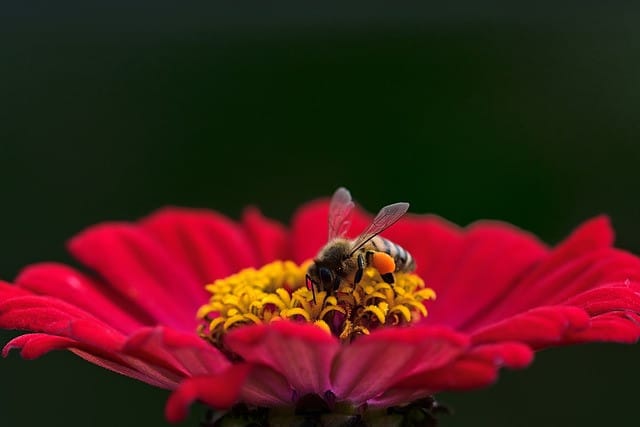
Honeybees While honeycomb is primarily known for its role in honey production, its uses extend beyond the realm of the edible. Here are a few intriguing applications:
Cosmetics and Skincare

The waxy composition of honey comb makes it an excellent ingredient for natural skincare products. Beeswax is often used in balms, lotions, and lip products due to its moisturizing and protective properties.

Candles

Beeswax candles are prized for their clean-burning nature, subtle honey scent, and the soft glow they emit. The intricate patterns of honey comb cells lend an exquisite texture to these candles.

Crafts and Decor

Honeycomb’s distinctive pattern is a source of artistic inspiration. From jewelry designs to home decor, the hexagonal motif is often used to add a touch of nature’s elegance to various creations.

Science and Engineering

The honeycomb’s optimal use of space and structural stability has inspired innovations in architecture and engineering. Engineers have looked to honeycomb structures for lightweight yet robust designs in aerospace and construction.

Where to Buy Honey comb?

If you’re enticed by the idea of savoring honeycomb, you’re in luck. Many specialty food stores and artisanal markets offer raw honeycomb for purchase. You can also find honeycomb at local farmers’ markets, where beekeepers often sell their products. When buying honeycomb, look for those produced sustainably and harvested with care to support responsible beekeeping practices.

Conclusion

Honeycomb is more than just a repository of golden nectar; it’s a symbol of nature’s ingenuity and a source of multifaceted wonder. From its origins in beekeeping to its culinary, cosmetic, and artistic applications, honeycomb’s significance extends far beyond its honey-filled chambers. So, the next time you encounter a piece of honeycomb, take a moment to appreciate the intricate beauty and myriad possibilities that it holds within its delicate embrace.

Experience Nature’s Sweetness with Browning’s Honey Honeycomb Product

Indulge in the exquisite harmony of flavor and texture with our very own cut comb honey. Crafted with care, this culinary delight encapsulates the essence of nature’s artistry. Whether you’re seeking a delectable addition to your cheese platter, a sweet complement to your morning yogurt, or a captivating conversation starter for your gatherings, this product delivers. Unlock the enchanting world of honeybees and their remarkable creations – an experience that transcends mere consumption. Buy Browning’s Honey Honeycomb Product today and savor a symphony of flavors and textures like never before.

Filed Under: Honey Tagged With: honey combs, honeycomb

Honey, the golden elixir coveted by humans for centuries, is a remarkable product of nature. At the heart of this sweet creation are the diligent honey bees, particularly the worker bees, who dedicate their lives to producing the delectable nectar known as honey. In this exploration, we delve into the intricate process of how do bees make honey, the invaluable benefits of their labor to our communities, and what we can do to help preserve and prolong their honey production.

The Honey-Making Process

The journey of honey production begins with worker bees, the backbone of a bee colony. These dedicated insects embark on a quest to collect nectar from flowers. Equipped with their specialized proboscis, honeybees suck nectar from the flowers, which they store temporarily in their honey stomach. Nectar, a sugary liquid secreted by flowers, contains the essence of the plants’ reproductive success, making it a vital source of energy for honeybees. Once the nectar collected is sufficient, honeybees returns to the hive, where the process of making honey truly begins. The worker bee regurgitates the nectar into the waiting mouths of house bees within the colony. This communal effort involves house bees repeatedly regurgitating and transferring the nectar amongst themselves, thus breaking down complex sugars into simpler forms. They also add enzymes to the mix, which kick-start the process of converting nectar into honey. The next crucial step involves the reduction of moisture content in the nectar. House bees fan their wings vigorously, creating a warm breeze within the hive that evaporates excess water from the nectar droplets. As the moisture content decreases, the nectar thickens and becomes the familiar, sweet nectar we know as honey. This transformation is vital as it prevents fermentation and preserves the honey.

How Fast Can Bees Make Honey?

The speed at which bees can produce honey depends on various factors, including the size and strength of the bee colony, the availability of nectar sources, and environmental conditions. Bees are remarkably efficient at honey production, but it is a gradual and continuous process. Here are some key factors that influence the pace of honey production by bees:

Strength of the Bee Colony

The number of worker bees in a colony plays a significant role in honey production speed. A strong, populous colony with a large workforce can collect nectar and convert it into honey more rapidly than a smaller or weaker colony.

Nectar Availability

The availability of nectar-rich flowers in the surrounding area is a critical factor. Honeybees need access to abundant nectar sources to collect sufficient quantities for honey production. In areas with a diverse range of blooming plants, honey production can be faster.

Season and Weather Conditions

Seasonal changes and weather conditions also influence the pace of honey production. During the peak of the nectar flow, typically in the spring and early summer, bees can gather nectar more quickly. Warm and sunny weather is favorable for foraging, while rain or cold temperatures can slow down their activity.

Foraging Efficiency

The efficiency of foraging bees is crucial. Bees need to visit many flowers to collect enough nectar to produce honey. Efficient foraging behavior, such as visiting flowers with high nectar concentrations, can expedite the process.

Hive Management

The management of the hive by beekeepers can affect honey production. Beekeepers who provide healthy hives with adequate space for storing honey and managing diseases and pests can help bees produce honey more efficiently. Bee Species Different species of bees have varying rates of honey production. For instance, honey bees (Apis mellifera) are known for their ability to store substantial honey reserves, while other bee species may store less honey. Environmental Factors Environmental factors such as the availability of water sources for bees and the overall health of the ecosystem can also impact honey production speed. In optimal conditions, a strong honey bee colony can produce and store significant amounts of honey throughout the active foraging season, potentially filling multiple honeycombs within their hive. However, the exact rate at which bees make honey can vary widely depending on the factors mentioned above. It’s important to note that honey production is a gradual and continuous process that unfolds over weeks or months, rather than occurring rapidly in a short period. Beekeepers often harvest honey once the bees have stored sufficient amounts and capped the honeycomb cells with beeswax, indicating that the honey is ready for collection.

Do Bees Make Honey from Pollen?

Bees are renowned for their industriousness and vital contributions to our ecosystems. When we think of bees, we often associate them with honey production, but do they make honey from pollen? Let’s explore below:

The Role of Pollen for Bees

Pollen is a vital component of a honey bee’s diet, but it does not directly contribute to honey production. Bees, primarily the worker bees, collect pollen as a source of protein and other essential nutrients. Pollen is essential for the development of bee larvae and for sustaining the adult bees within the colony. When foraging, bees visit flowers to collect pollen, which sticks to their specialized hairs and bodies. This pollen is then transported back to the hive, where it is stored in pollen cells. Worker bees pack the collected pollen into these cells, mixing it with nectar to create a substance called bee bread. Bee bread serves as the primary protein source for the colony and is crucial for the growth and health of bee larvae.

Honey Production: The Nectar Transformation

While pollen plays a critical role in bee nutrition, the production of honey is a separate process entirely. Honey is derived from nectar, a sugary liquid produced by flowers to attract pollinators like bees. Unlike pollen, which is primarily a protein source, nectar is rich in carbohydrates. When they started to collect nectar, they use their proboscis to suck it from flowers and store it temporarily in the bee’s honey stomach. The nectar is then transported back to the hive, where worker bees regurgitate it into the waiting mouths of house bees. This regurgitated nectar undergoes a transformation within the hive. Worker bees add enzymes to the nectar, breaking down the complex sugars it contains into simpler forms, mainly glucose and fructose. The next crucial step involves reducing the moisture content of the nectar. House bees fan their wings, creating a warm breeze within the hive that facilitates the evaporation of excess water from the nectar droplets. As the moisture content decreases, the nectar thickens and becomes the sweet nectar we recognize as honey. This transformation is vital as it prevents fermentation and preserves the honey.

Does the Kind of Pollen Work?

Flower Bee Pollination Yes, the type of pollen collected by bees can have an impact on the flavor and composition of honey. Bees gather pollen from a variety of flowering plants, and the specific types of flowers they visit will influence the characteristics of the honey they produce. This is often referred to as “floral source” honey. The flavor, aroma, color, and even the nutritional content of honey can vary depending on the predominant types of flowers from which the bees collect nectar and pollen. For example: Wildflower Honey: Bees that forage on a diverse array of wildflowers produce wildflower honey. This honey can have a complex flavor profile with subtle floral notes and may vary in color from light to dark, depending on the specific mix of flowers in the region. Clover Honey: Bees that primarily visit clover flowers will produce clover honey, which is known for its mild, sweet flavor and light color. Orange Blossom Honey: Bees that collect nectar from orange blossom flowers produce a honey with a distinct citrus aroma and flavor. Lavender Honey: Honey from bees that frequent lavender fields may have a delicate lavender aroma and a slightly herbal taste. Eucalyptus Honey: Bees that forage on eucalyptus trees produce honey with a unique, robust flavor that often carries menthol or medicinal notes. These are just a few examples, and the diversity of honey flavors is practically endless, depending on the region and the availability of different flower sources. Some honey enthusiasts seek out specific types of honey for their distinct flavors and characteristics, much like one might appreciate different varieties of wine. In essence, the kind of pollen that bees collect does indeed work to influence the sensory and compositional attributes of honey, making honey a fascinating and diverse natural product shaped by the local floral environment and the foraging habits of honey bees.

What Do Bees Use Honey For?

Bees utilize honey for several essential purposes within their hive, each contributing to the survival and well-being of the bee colony. Here are the primary uses of honey for bees:

Food Source

Honey serves as the primary food source for bees, providing them with the necessary energy and nutrients to sustain their activities. Worker bees, drones, and the queen bee all consume honey as their main source of nourishment. The carbohydrates in honey, primarily glucose and fructose, provide a quick source of energy, while the trace amounts of proteins and other nutrients support their overall health.

Winter Survival

Honey plays a critical role in the survival of a bee colony during the winter months or times of scarcity. Bees store excess honey in their hives, sealing it in hexagonal cells made of beeswax. This stored honey acts as a reserve food supply when foraging becomes difficult due to cold weather or a shortage of nectar-producing flowers.

Feeding Bee Larvae

Honey is essential for the growth and development of bee larvae. Nurse bees feed young bee larvae a mixture of royal jelly, pollen, and honey. As the larvae mature, their diet shifts, with honey becoming a significant part of their diet. Honey provides the carbohydrates and energy needed for larvae to pupate and eventually emerge as adult bees.

Maintaining Humidity

Bees use honey to regulate the humidity within the hive. The hygroscopic nature of honey means it can absorb moisture from the hive’s environment or release it as needed. This helps maintain an optimal humidity level for bee comfort and hive stability.

Sealing and Preservation

Bees use honey to seal and preserve various substances within the hive. They seal brood cells with a mixture of honey and wax to protect developing bee pupae. Honey also helps to seal cracks or openings in the hive, preventing unwanted intruders and maintaining a stable internal environment.

Communication

Honey can also serve as a means of communication among bees. For example, scout bees may return to the hive and perform a “waggle dance” to convey the location of a promising nectar source to other foragers. This dance can involve the transfer of a small amount of nectar or honey from the returning bee to its hive mates, helping them recognize the scent and taste of the forage area. Honey is a versatile and vital resource for bees, serving as their primary source of nutrition, a means of survival during harsh conditions, and a tool for maintaining the hive’s environment and communication. The careful management of honey stores within the hive is essential for the health and longevity of a bee colony.

Preserving and Prolonging Honey Production

Given the critical role honey bees play in our ecosystems and food supply, it is our responsibility to safeguard their well-being. To help preserve and prolong honey production, we can take several actions:

Plant Bee-Friendly Gardens

Cultivate gardens filled with native, nectar-rich flowers to provide honey bees with ample forage.

Avoid Pesticides

Choose organic and bee-friendly alternatives to chemical pesticides, which can harm bees and their colonies.

Support Local Beekeepers

Purchase honey from local beekeepers who follow sustainable and ethical beekeeping practices.

Raise Awareness

Educate others about the importance of honey bees and their role in our environment. Promotion of Honey Browning’s Honey Products: At Honey Browning, we take pride in offering the finest raw honey, created with utmost care by our honey bees. Our products are a testament to the dedication of worker bees in our hives. By choosing Honey Browning’s honey, you not only savor the purest flavors of nature but also contribute to the preservation of honey bee populations.

Final Thoughts

The intricate process of how bees make honey is a testament to the remarkable abilities of these tiny yet highly organized insects. The benefits of bees making honey extend far beyond the delight it brings to our taste buds. These tireless pollinators play a vital role in our ecosystems and communities, ensuring the reproduction of countless plants and sustaining our agricultural systems. Their contributions to biodiversity, economic value, and educational opportunities make them indispensable allies in the natural world. Let us continue to appreciate the wonders of honeybees in making honey and actively participate in safeguarding these remarkable pollinators.

Why Choose Honey Browning’s Honey?

Our honey is meticulously crafted to deliver an exceptional taste that captures the essence of sweet nectar. With every jar of Honey Browning’s honey, you support sustainable beekeeping practices that prioritize the well-being of honey bees and the environment. Join Us in Sustaining Honey Bee Populations Make a difference today by choosing Honey Browning’s honey products. With each purchase, you help ensure the continued production of more honey while enjoying the unparalleled quality of our raw honey. Together, we can protect honey bees and their invaluable role in our communities. Don’t miss out on the opportunity to savor the purest, most exquisite honey. Check out our shop section and order your jar of Honey Browning’s honey now and be a part of the sweet solution! For bulk orders, please don’t hesitate to contact us

Filed Under: Honey Tagged With: honey, honey production, honeybees

In the realm of culinary delights, few condiments can rival the sheer decadence and enchanting flavors of honey butter. The fusion of smooth, creamy butter with the golden sweetness of honey creates a symphony of taste that tantalizes the senses and leaves an indelible impression on every palate. Whether slathered over freshly baked homemade bread or used as a luscious topping for a variety of dishes, honey butter has earned its place as a beloved staple in the world of gastronomy. The art of crafting a good honeybutter lies in striking the perfect balance between its core ingredients – salted or unsalted butter and rich, golden honey. Each component contributes unique characteristics that, when harmoniously combined, give rise to a taste that is both comforting and sophisticated. In this article on what makes a good honey butter, we will delve into the subtle nuances of this delectable spread, uncover the secrets of the finest recipes, and savor the myriad of possibilities it offers to elevate our culinary experiences. So, join us on this journey to discover the essence of honey butter perfection, where every spoonful takes us on a delightful journey of flavors and fond memories.

What is Honey Butter?

Honey butter is a delectable spread that combines the richness of butter with the natural sweetness of honey. This culinary delight has captivated palates around the world with its luscious taste and creamy texture. Good honey butter strikes a perfect balance between the smoothness of butter and the delicate sweetness of honey. Whether made with salted or unsalted butter, it offers a unique taste experience that can be further enhanced with infused variations like cinnamon or whipped honey butter. This versatile spread finds its place in various culinary creations, from breakfast delights like toast and pancakes to gourmet toppings for grilled vegetables and baked goods.

The Origins of Honey Butter

Honey, nature’s gift of sweetness, has been cherished by humans for millennia. Ancient civilizations relished its taste and prized it for its perceived medicinal and spiritual properties. Early records show that honey was not only used as a sweetener but also as a preservative and an offering to the gods. Butter, too, boasts an impressive history. Its roots can be traced back to ancient times, with evidence of its production dating back to ancient Mesopotamia and Egypt. Throughout history, butter remained a staple in many cultures, gracing the tables of both the wealthy and common folk. The combination of honey and butter likely arose from the ingenuity of culinary artisans who sought to create a delightful fusion of flavors. The mingling of these two ingredients resulted in a spread that appealed to the senses in a way like never before.

Culinary Uses of Honey Butter

The versatility of honey butter makes it a beloved companion in the culinary world. Its creamy texture and delightful taste elevate various dishes, both savory and sweet.

Breakfast Delights

Spread honey butter over warm toast, bagels, or flaky croissants for a heavenly breakfast treat. It complements pancakes, waffles, and French toast wonderfully, adding an indulgent touch to the morning meal.

Gourmet Toppings

Honey butter serves as an exquisite topping for grilled corn on the cob, roasted vegetables, or baked sweet potatoes, enhancing their natural flavors with a hint of sweetness.

Baking Magic

Incorporate honey butter into baking recipes, adding a luscious twist to muffins, scones, and cookies. It can also be used as a filling for pastries or drizzled over warm desserts like apple pie or cobbler.

Flavored Variations

The beauty of honey butter lies in its versatility for customization. Experiment with infused versions like cinnamon honey butter, whipped honey butter, or sea salt honey butter to elevate your culinary creations.

Is honey butter the same as creamed honey?

No, honey butter and creamed honey are not the same; they are two distinct and different products. Honey butter is a delightful spread made by combining softened butter with honey. The result is a creamy and flavorful mixture that offers a perfect balance of smoothness from the butter and natural sweetness from the honey. Honey butter is often used as a delicious topping for bread, toast, muffins, and other baked goods, as well as a versatile ingredient in various recipes to add a touch of sweetness. On the other hand, creamed honey, also known as whipped honey or spun honey, is a type of honey that has been processed to control its crystallization. Creamed honey is thick, creamy, and more solid than traditional liquid honey. It is often enjoyed as a spread on toast, bagels, or biscuits, and some people prefer it over liquid honey due to its ease of use and smoother consistency.

What Flavors Of Honey Butter Are There?

Honey butter, with its irresistible blend of creamy butter and golden sweetness, has captured the hearts of food enthusiasts worldwide. But did you know that this delectable spread can transcend its classic form and venture into a world of delightful flavor variations? From warm spices to zesty citrus, the possibilities are endless when it comes to creating flavored honey butter recipe. Let’s take a journey into the luscious world of diverse honey butter flavors, each offering a unique taste sensation that elevates this beloved spread to new heights.

Whipped Honey Butter

Browning's Honey Take your honeybutter experience to cloud-like heights with whipped honey butter. Made with softened butter and a touch of powdered sugar, this airy and smooth concoction spreads effortlessly on warm, freshly baked goods. Its lightness and luxurious taste will leave you craving more, making it perfect for afternoon tea or brunches with loved ones. Since we are unable to ship our honeybutter, we have decided to share our own honey butter recipe with you. The Secret to our recipe is that we only ever use our creamed honey for our honeybutter. The rest of the recipe is fairly simple! It is a 6:1 Ratio. Here is how to make it with our honey. Ingredients 1 16 oz container of Browning’s Creamed Honey 5 TBS & 1 TSP unsalted butter (softened) Instructions Soften the butter. Make sure that you take the butter out of the fridge 30 minutes or more prior to making your honeybutter. It is crucial for the butter to be softened to have a completely smooth consistency. Whipped the softened butter. Once the butter is fluffy, add the honey and continue to whip together until fully incorporated together. Store Your honeybutter in a jar or other air-tight container in the refrigerator.
Cinnamon Honey Butter

The harmonious marriage of cinnamon and honey creates a symphony of flavors in this enchanting variation. Whisked together with softened butter, cinnamon honey butter spreads like a dream on homemade bread, muffins, or pancakes. The gentle spice of cinnamon infuses warmth into every bite, making it an ideal accompaniment for chilly mornings or cozy gatherings.

Cinnamon Butter Melt

Imagine a dollop of creamy honeybutter melting into a pool of lusciousness over your favorite dish. Cinnamon butter melt achieves this sensation effortlessly, combining the familiar comfort of melted butter with the alluring flavors of honey and ground cinnamon. Drizzle it over roasted vegetables, grilled seafood, or simply let it cascade over warm, homemade bread for a delightful taste experience.

Citrus Burst Honey Butter

Infused with the tangy zest of citrus fruits, this variation of honey-butter awakens your taste buds with vibrant flavors. A blend of softened butter, honey, and a splash of freshly squeezed lemon or orange juice creates a bright and refreshing spread. Enjoy it on scones, muffins, or use it to glaze poultry or fish for a zesty twist.

Salted Caramel Honey Butter

Indulge in the ultimate sweet and salty indulgence with salted caramel honey-butter. The marriage of salted butter, honey, and a drizzle of caramel creates a decadent spread that pairs splendidly with warm biscuits, crumpets, or even as a delightful topping for ice cream.

Nutty Crunch Honey Butter

For a textural sensation, consider adding crushed nuts like almonds or walnuts to your honey-butter. The combination of creamy honey butter and the nutty crunch will add a delightful contrast to your morning toast or a burst of flavor to a simple bowl of oatmeal.

How Long Can Honey Butter Last If Stored Correctly

Honey-butter, when stored correctly in an airtight container in the refrigerator, can last for about 1 to 2 months. The key to preserving its freshness is to keep it away from moisture and contaminants. Make sure to use clean utensils when scooping honey butter to avoid introducing any bacteria. If you prefer a longer shelf life, store honey-butter in a freezer. When frozen, it can make honey-butter last for up to 6 months without compromising its taste and quality. To maintain its smooth texture after freezing, thaw the honey butter slowly in the refrigerator. Always check for any signs of spoilage, such as an off smell or unusual texture, before consuming. Enjoy your homemade honey-butter at its best by following these simple storage guidelines.

Final Thoughts

As you embark on your culinary journey, consider exploring the diverse world of flavored honey-butter. Infuse your spreads with unique twists that appeal to your taste buds and elevate your dining experience. If you’re seeking the ultimate and easy honey butter experience, look no further than Browning’s Honey Honey-butter. Our artisanal blend combines the finest ingredients, carefully sourced to create a symphony of taste that will leave you craving for more. With each scoop of our Honey butter, experience the perfect harmony of smoothness and sweetness, elevating your culinary creations to a new level of indulgence. Treat yourself to the goodness of Browning’s Honey Honey-butter, and let the enchanting flavors transform your meals into memorable feasts. Experience the difference of premium quality honey butter – a true embodiment of the rich heritage and passion that Browning’s Honey brings to your table. Taste the love in every bite, and let your culinary imagination soar with our best honey butter. Shop now!

Filed Under: Honey

  • « Previous Page
  • 1
  • …
  • 3
  • 4
  • 5
  • 6
  • 7
  • …
  • 9
  • Next Page »
Shop Online

Locations

9019 N 5 E
Idaho Falls, Idaho 83401

1475 S Holmes Ave.
Idaho Falls, ID 83404
(On S Holmes between 14th and 15th Street)

208-516-2263

Menu

  • Honey Shop
  • Our Apiary
  • Benefits of Honey
  • The Buzz
  • Gift Shop
  • Contact Us

Hours

Monday 9:00 AM - 5:00 PM
Tuesday 9:00 AM - 5:00 PM
Wednesday 9:00 AM - 5:00 PM
Thursday 9:00 AM - 5:00 PM
Friday 9:00 AM - 5:00 PM
Saturday 10:00 AM - 4:00 PM
Sunday CLOSED

Refund & Returns Policy

Refund & Returns Policy

Browning’s Honey

© 2025 Browning's Honey | All Rights Reserved | Privacy Policy | Terms | XML Sitemap | Sitemap | Accessibility | Anti Discrimination | Site by PDM