Kids & Bees: Safe Ways to Teach Children About Pollinators
March 25, 2026

Browning's Honey
Buy Raw Honey Online
November 19, 2025
Bees are some of the most misunderstood creatures on the planet. While they’re vital for pollination and maintaining ecosystems, countless myths have painted these insects as nothing more than nuisances that like to sting humans. Today, we will set the record straight and uncover what most people get wrong about bees.
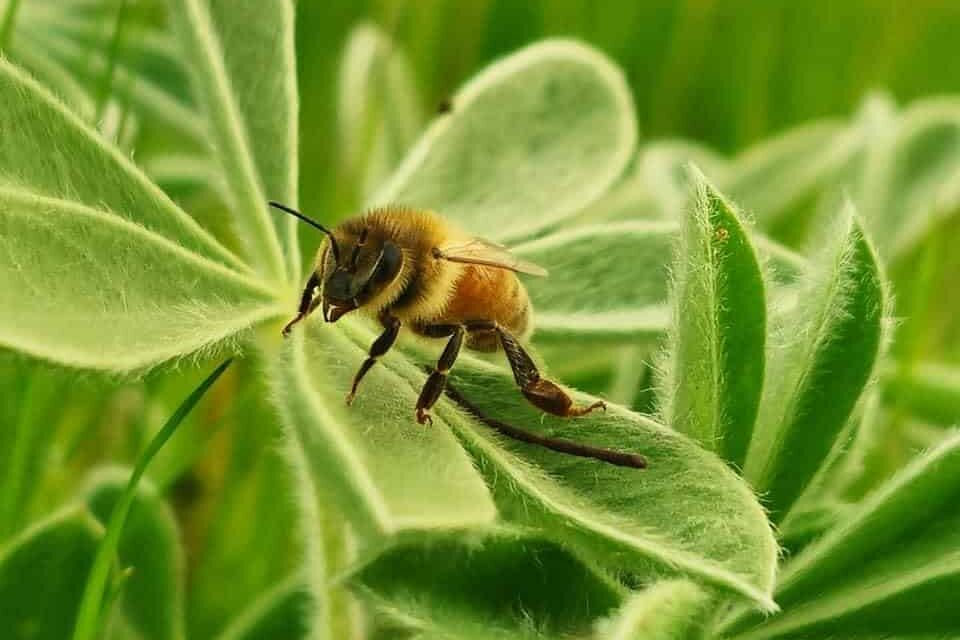
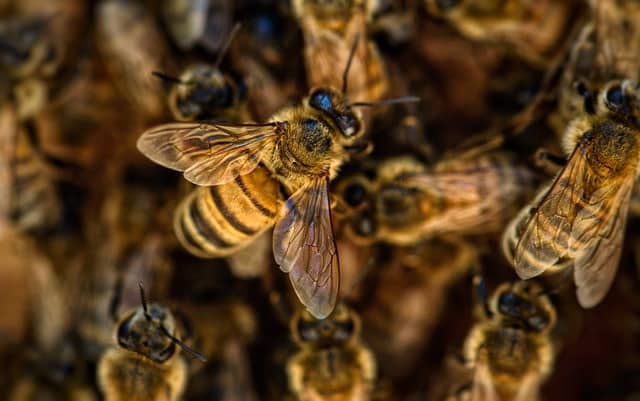
One of the most common misconceptions is that every bee can sting. In reality, only female bees have stingers, and many species are completely harmless to humans. Male bees, called drones, don’t sting at all. Additionally, some bees are naturally non-aggressive and will only sting if threatened or provoked.
Another misconception is that bees die after they sting. This is only true of honeybee workers, whose barbed stingers get lodged in the skin and cause fatal injuries when they try to fly away. Many other bees, such as bumblebees, have smooth stingers and can sting multiple times.
Bees get a bad reputation for being aggressive, but the truth is quite the opposite. Most bees are focused on gathering nectar and pollen and don’t care to bother humans. A bee’s stinger is actually a last-resort mechanism; they are more likely to fly away than attack. Approaching the hive calmly and avoiding sudden movements significantly reduces the risk of stings.
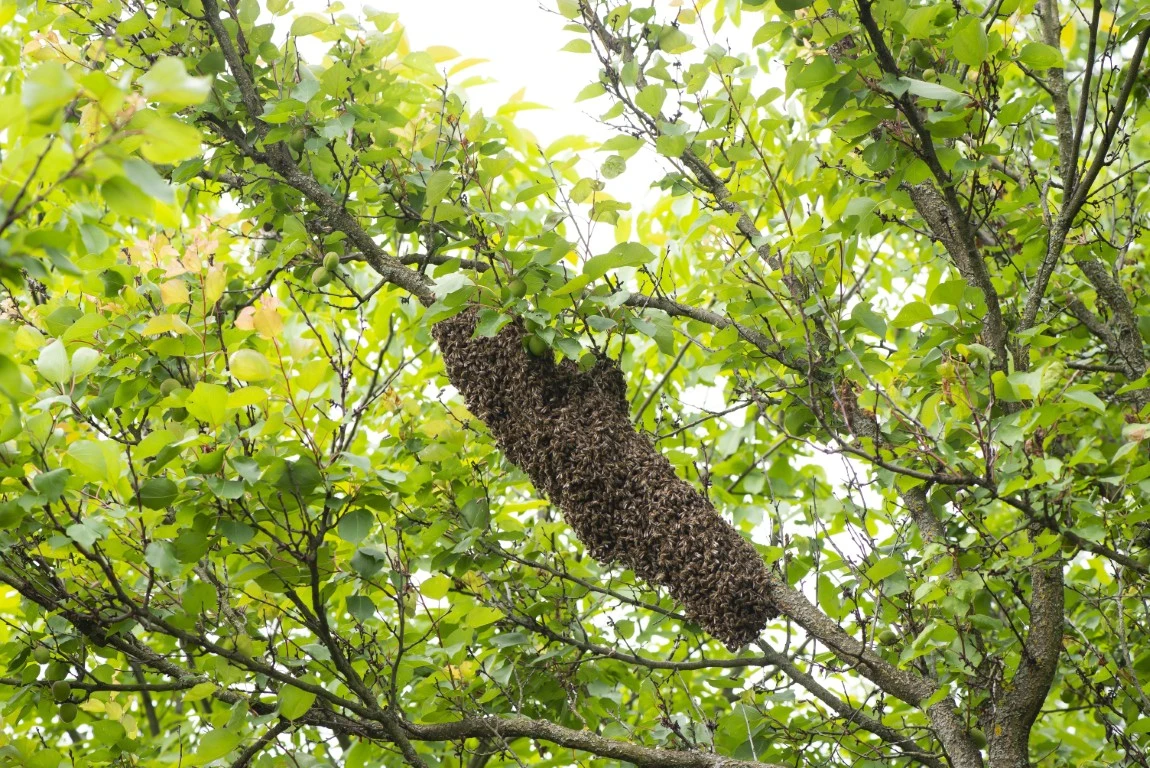
While honeybees are well-known for their hives, not all bees live in large colonies. Many species are solitary, nesting in the ground, hollow stems, or wood. These solitary bees are just as crucial for pollination as hive-dwelling honeybees.
Fun Fact: While bee colonies consist of 20,000 to 60,000 bees, only 10% of bees worldwide are actually social and live in hives.
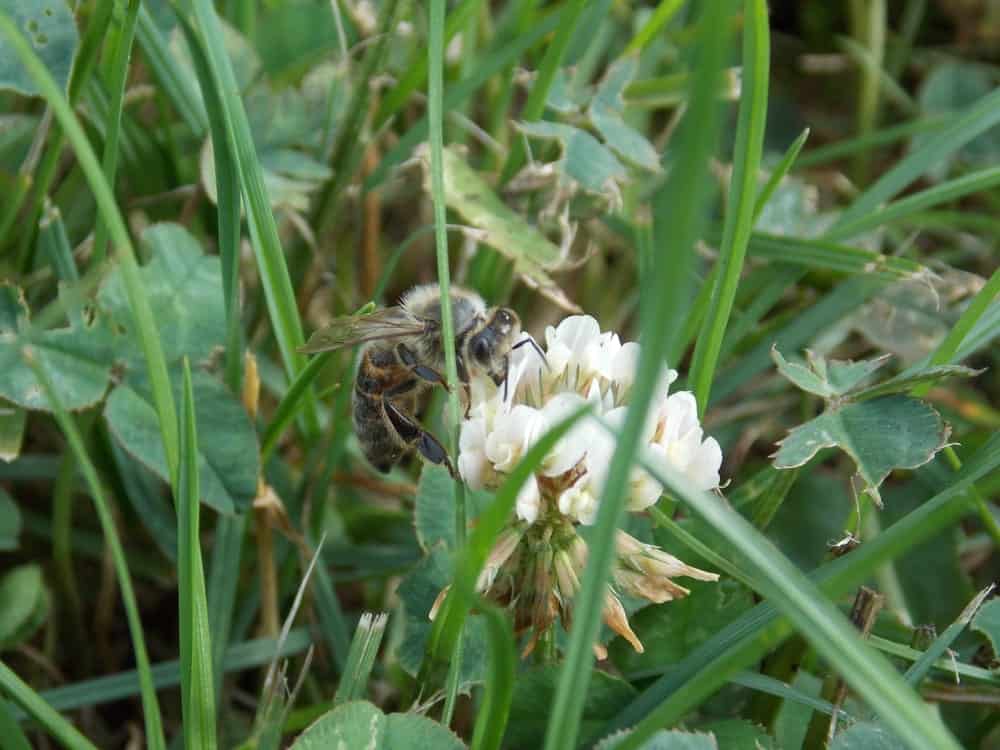
Honey is just one of the amazing products bees produce, and only a few species, like the honeybee, actually make it. Bees are essential pollinators, contributing to the growth of fruits, vegetables, and flowers. Without them, our food supply and ecosystems would suffer.
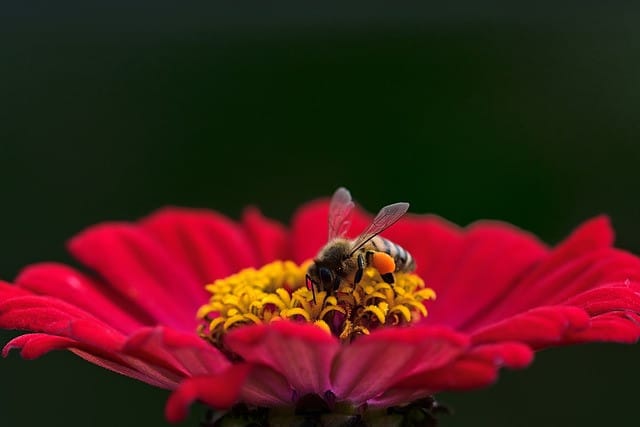
While some people view bees as nuisances, they are indispensable to the environment. Bees pollinate approximately one-third of the food we eat, supporting biodiversity and helping plants reproduce. Without bees, many crops would fail.
A dangerous misconception is thinking bees are continuing to thrive everywhere. The truth is, many bee populations are declining due to habitat loss, pesticide use, disease, and climate change. Protecting bees is crucial not just for their survival but for the well-being of the planet.
To help protect bees, you should:
Plant Bee-Friendly Flowers — When landscaping or growing a garden, choose a variety of native plants that bloom through the season to provide a consistent food source
Avoid Pesticides and Herbicides — Many chemicals pose a risk to bees. If you must use them, apply them at night when bees are not active and never spray flowers or anything about to bloom.
Provide Nesting Sites — Install bee hotels, or create your own by drilling holes in wood or bunching hollow plant stems together. Also, leave patches of bare soil and standing plant stems for ground-nesting bees.
Buy Local and Organic — Purchase honey from local beekeepers who use humane practices. Choose organic produce to support farming methods that use fewer pesticides.
Most worker bees have a very short life span, often only a few weeks during the summer, just long enough for them to mate, build nests, and produce offspring. Only the queens live long lives: Honey bee queens can live for several years, while bumblebee queens can live up to one year.

Even though wasps belong to the same order of insects as bees, they are actually not bees. Wasps are carnivores and can be very aggressive (espeically if you disturb their homes), in contrast to bees, which are vegetarians and most often docile.
Bees are much more than the occasional nuisance or stinger people often imagine. They are essential pollinators, environmental heroes, and fascinating creatures with complex behaviors. By debunking these common myths, you can better appreciate their critical role in our ecosystem and take steps to protect them. The next time you see a bee buzzing around, remember that it won’t hurt you; it’s too busy helping sustain life on earth.