Browning's Honey
Buy Raw Honey Online
Clover Honey
Clover honey is the one you reach for every day. It lives on the counter, goes into your tea, gets drizzled over toast, and quietly replaces the sugar in half your recipes. So it ought to be the real thing, not a pasteurized blend from who knows where. Every jar below is genuinely raw honey from our own hives in Idaho and the Dakotas, kept by the same family since 1921.
Showing all 11 results
-

12lb Raw Clover Honey Pail
$72.00 - or subscribe and save up to 10% Select options -

12oz Raw Clover Honey Bear
$7.99 Add to cart -

16oz Raw Clover Honey Gift Jar
$11.99 Add to cart -

16oz Raw Clover Honey Inverted Squeeze Bottle
$10.49 Add to cart -
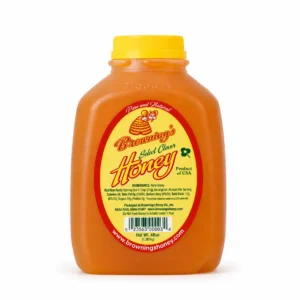
3lb Raw Clover Honey Jug
$22.50 - or subscribe and save up to 10% Select options -

45lb Raw Clover Honey Pail
$260.00 Add to cart -

5lb Raw Clover Honey Jug
$31.00 - or subscribe and save up to 10% Select options -

5oz Pure Cut Comb Honey | Raw Honeycomb
$8.00 Add to cart -

8oz Raw Clover Honey Bear
$6.49 Add to cart -
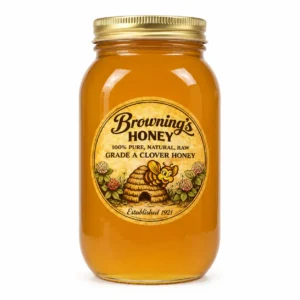
Raw Clover Honey Quart Mason Jar
$26.00 - or subscribe and save up to 10% Select options -

Raw Clover Honey Sticks – Pack of 40
$14.00 Add to cart
What Is Clover Honey, Exactly?
Clover honey is honey the bees made from clover, and it happens to be their favorite flower. The taste is light, mild, and a little floral, and the color is a light amber, which is why most people picture clover when they picture honey at all. If you want the whole story on its color, flavor, and benefits, our guide to what clover honey is walks through all of it.
Raw Vs Regular Clover Honey
Most clover honey on a grocery shelf has been pasteurized. It gets heated and then cooled quickly so it looks clearer, stays runny longer, and moves through a bottling line in a hurry. It works, but you lose a lot of what made the honey worth buying.
Ours is raw, and we keep it that way. Here is what that means in practice:
- We never pasteurize it. Our honey is prepared at low temperatures, so the natural enzymes, pollen, and antioxidants stay right where they belong.
- We strain it, we don't strip it. Wax and bits of comb come out. The pollen stays in.
- Nothing added, nothing taken away. No corn syrup, no blending with honey from overseas, no flavorings.
- The color and flavor survive. Gentle handling is the reason our clover honey still tastes floral instead of flat.
Raw honey will cloud up and firm over time. That is not a problem with your jar; it is the surest sign your honey was never cooked.
Want honey that has never been warmed at all? Try our creamed clover honey: the same raw honey, spun smooth so it spreads like butter.
Which Size Should You Buy?
We bottle clover honey in eleven sizes, from a pocket-sized bear to a pail you need both hands for. Here is how to pick.
Everyday And Gift Sizes
- 8oz Raw Clover Honey Bear, $6.49. The try-it size, and a favorite for stocking stuffers and party favors.
- 12oz Raw Clover Honey Bear, $7.99. Our most popular bottle. Easy to squeeze and easy to measure, so it is the one to grab when you are baking.
- 16oz Raw Clover Honey Inverted Squeeze Bottle, $10.49. Stands on its cap, so you are never waiting for the last of it to work its way down.
- 16oz Raw Clover Honey Gift Jar, $11.99. A glass jar made to be handed to somebody.
- Raw Clover Honey Quart Mason Jar, $26.00. Three pounds of honey in good old glass.
Family And Pantry Sizes
- 3lb Raw Clover Honey Jug, $22.50. The right call for a house that bakes.
- 5lb Raw Clover Honey Jug, $31.00. The best value for the money if you are buying for one kitchen.
Bulk Clover Honey
- 12lb Raw Clover Honey Pail, $72.00. Sized for canning season, big families, and small food businesses.
- 45lb Raw Clover Honey Pail, $260.00. The big one. Bakeries, coffee shops, and co-ops buy this pail.
A Little Something Different
- 5oz Pure Cut Comb Honey, $8.00. Raw honeycomb, cut straight out of the frame. Nothing gets closer to the hive than this.
- Raw Clover Honey Sticks, Pack of 40, $14.00. For lunchboxes, tea trays, and hiking packs.
Anything 3lb and up can be set up on a subscription, which saves you up to 10%. Orders over $20 ship free.
Everyday Ways To Use Clover Honey
The mild taste is the whole point. Clover honey sweetens without taking over:
- In coffee and tea, where a bolder honey would fight the brew.
- In place of sugar in dressings, marinades, and glazes. Start with about three quarters of what the recipe asks for and go from there.
- In baking, where it adds moisture and keeps things soft for days. (Hint: spray your measuring cup first and the honey will slide right out.)
- Over yogurt, oatmeal, biscuits, and cornbread, which is honestly where most of our 12oz bears end up.
- In hot water with lemon when somebody in the house has a sore throat.
- On a cheese board, drizzled over sharp cheddar, goat cheese, or blue.
Reach for liquid honey when you cook or stir it into hot drinks, since it blends and measures easily; save creamed honey for spreading.
Idaho Bees, Family Owned Since 1921
Browning's Honey is a fifth-generation family business out of Idaho Falls, producing honey and pollinating crops across Idaho and the Dakotas. We have been at it since 1921, and we still make our creamed honey the way the family worked it out back in the 1930s. We put up more than a million pounds of clover honey a year, and we handle all of it ourselves: the bees, the extracting, and the bottling.
That matters for a simple reason. When you buy clover honey here, you are buying from the people who keep the bees, not from a middleman who would rather not say where it came from.
Clover Honey Questions, Answered
Is clover honey real honey?
It is. Clover honey is pure honey, named for the flower the bees worked, the same way wildflower or orange blossom honey gets its name. There is nothing in our jars but raw clover honey.
Is your clover honey raw?
All of it. We never pasteurize, we bottle at low temperatures, and we strain instead of filtering everything out, so the pollen, enzymes, and antioxidants stay in the jar.
Is clover honey good for you?
Raw clover honey brings small amounts of vitamin C, calcium, iron, magnesium, potassium, and zinc, along with the antioxidants honey is known for. It is still a sugar, so enjoy it in moderation. And never give honey to a baby under one year old.
Does clover honey crystallize?
It does, sooner than most honeys, because clover honey naturally carries more glucose than fructose. That is a sign of raw honey, not spoiled honey. Set the jar in warm water and stir until it loosens back up.
How should I store clover honey?
Keep it sealed at room temperature in the cupboard. Skip the fridge, since cold makes it firm up faster. Honey does not spoil, so there is no clock on it.
What is the difference between clover honey and wildflower honey?
Clover honey comes mostly from one flower, so it is light, mild, and tastes the same jar after jar. Wildflower honey comes from whatever happens to be blooming, so it is darker, bolder, and changes with the season. Clover is the easy everyday pick; wildflower is the one with more personality.