Understanding Swarming: Causes, Prevention & What to Do
March 18, 2026

Browning's Honey
Buy Raw Honey Online
March 25, 2026
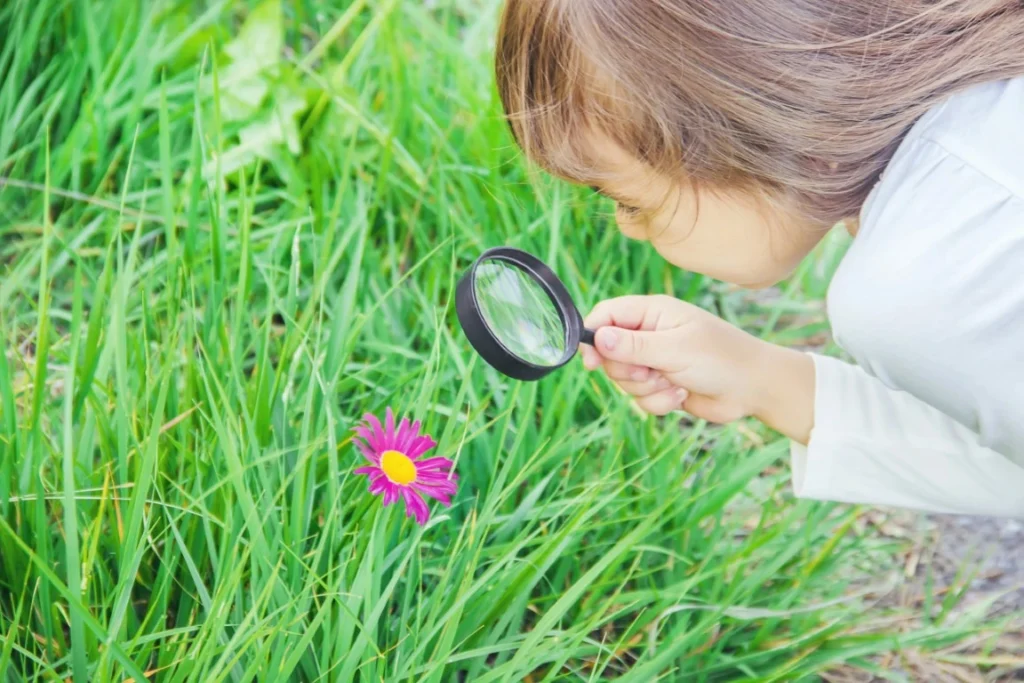
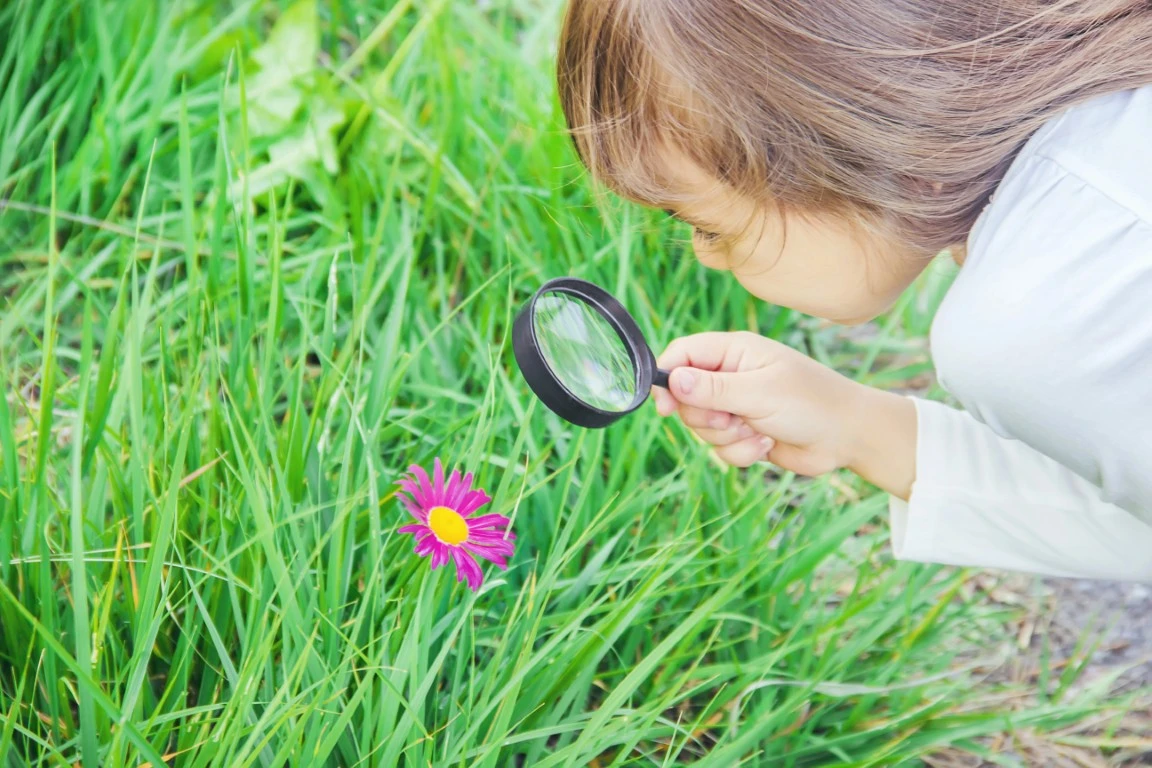
Introducing children to bees and other pollinators can get them curious about nature, science, and environmental stewardship. While bees sometimes get a bad reputation due to their ability to sting, they play a crucial role in the ecosystem. With the right approach, children can learn not to fear bees but appreciate them safely.
Pollinators like bees, butterflies, and hummingbirds help plants reproduce by transferring pollen from one flowering plant to another. This process supports the growth of fruits, vegetables, nuts, and seeds. In fact, most of the food we eat depends on pollination, making these tiny creatures essential to our daily lives.
Teaching kids about pollinators helps them understand where food comes from, the importance of biodiversity, and how small actions can impact the environment.
Before heading outside, explain to your children what bees are and how they behave. Focus on simple, reassuring facts. Explain that bees are usually not aggressive unless they feel threatened, and they are busy collecting nectar and pollen, not looking to sting. Describe the types of bees and reassure them that most species are gentle.
You can introduce concepts through books, videos, or even fun crafts like building paper flowers and “pollinating” them with cotton swabs.
You can safely and effectively introduce kids to bees by encouraging observation from a distance.
When watching bees, explain to kids that they should remain calm and move slowly, avoid swatting or making sudden movements, and watch bees on flowers rather than near hives. You should also encourage them to wear light-colored clothing when outdoors.
Turning observation into a game, like counting how many bees visit a single flower, can keep kids engaged while reinforcing safe behavior.
Hands-on learning leaves a lasting impression. Planting a small garden with your kids can help attract pollinators and give kids a front-row seat to nature.
Plant bright flowers like sunflowers, zinnias, and lavender, herbs such as mint, thyme, and basil, and native plants that naturally attract local pollinators. Let kids help with watering and track which plants attract the most bees. This builds responsibility and excitement about the environment.
If you can’t plant your own garden, consider visiting a local garden or natural center and observing the local pollinators.
While bees rarely sting when you take the proper precautions, kids should still understand what to do and not to do around these creatures. Teach them to never disturb a hive or nest or walk barefoot in grassy areas where bees may forage. Teach them to also keep food and drinks covered outdoors and stay still or move away slowly if a bee comes close.
You can also explain to children what a sting feels like and reassure them that it’s usually temporary. Families with allergies should take extra precautions and follow medical guidance.
Incorporate creative and interactive activities to deepen understanding. Consider building a simple “bee hotel” for solitary bees, creating bee-themed art projects, acting out the pollination process as a game, or tasting different types of honey and explaining how bees make it.
These activities help kids connect learning with fun, making the experience more enjoyable.
When you teach children about pollinators, it helps foster a sense of respect and appreciation. When kids learn how important bees are, they’re more likely to protect them and the environment as a whole.
Encourage questions like:
Kids often confuse all flying insects with bees. Teaching the differences between pollinators can reduce fear and build confidence.
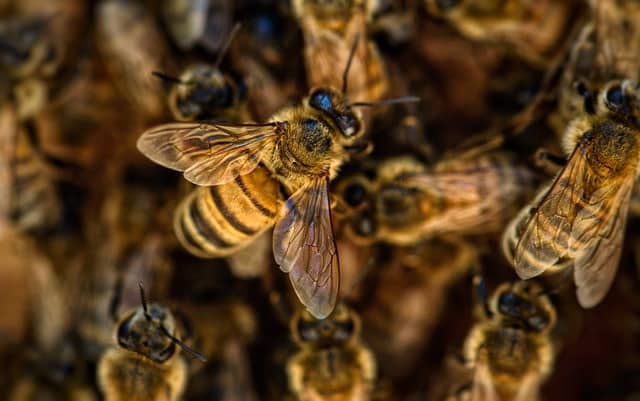
Honey Bees — Honey bees are gentle, social, and live in hives. They are also important for agriculture.
Bumblebees — Bumblebees are larger and fuzzier. They are excellent pollinators and rarely sting.
Solitary Bees (like Mason Bees) — These bees live alone and are great for gardens. They are typically non-aggressive unless provoked.
Wasps vs. Bees — Wasps are more aggressive and less fuzzy.
Helping kids recognize these differences can help them navigate the outdoors with more confidence and less fear.
Bees may be small, but they have a huge impact on our world. By teaching children safe, positive ways to interact with pollinators, you can help raise a generation that values and protects the natural world. With a mix of education, hands-on activities, and simple safety practices, kids can develop a lifelong appreciation of these essential creatures.