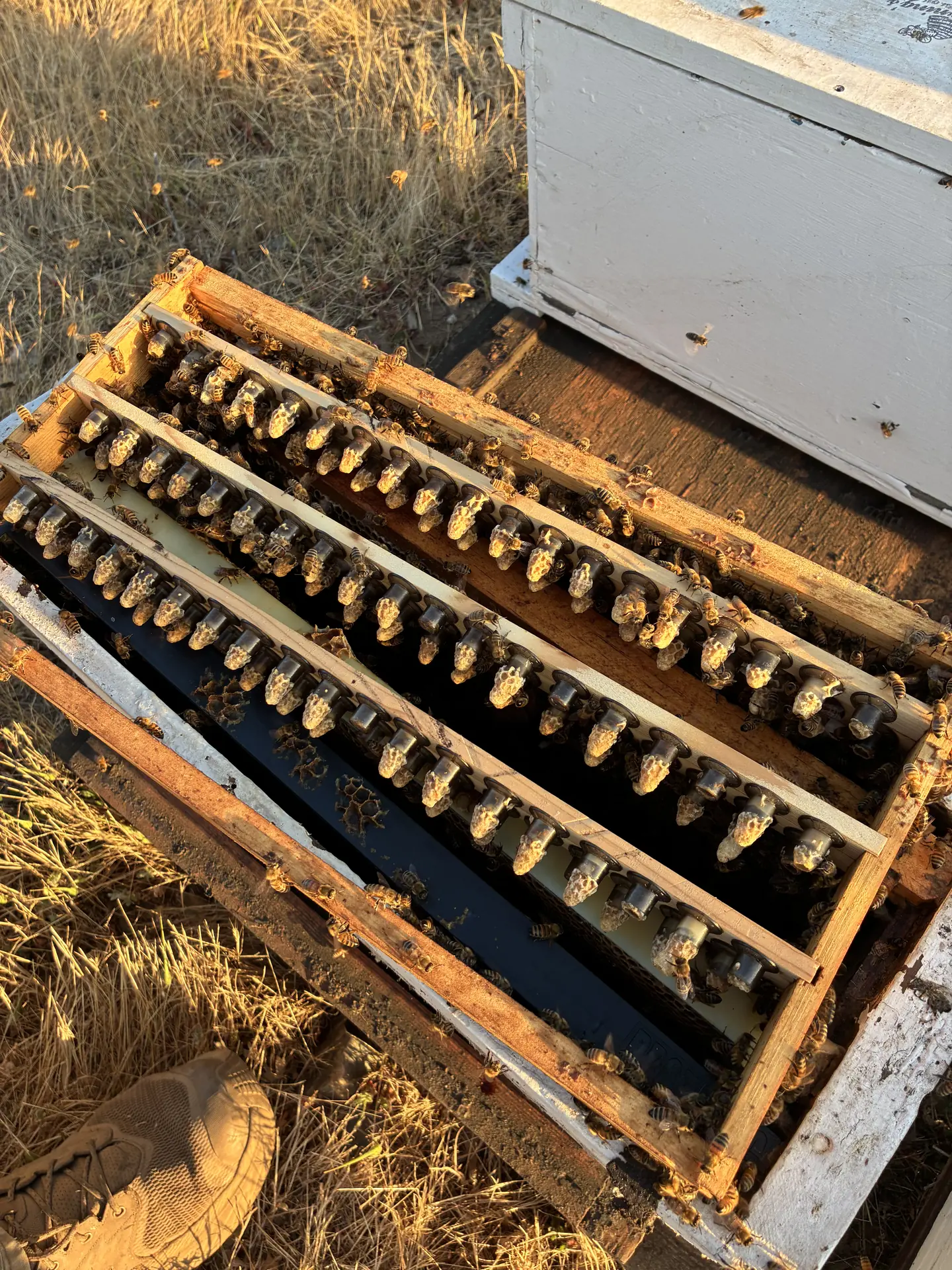
🐝 Inside Queen Grafting Season: The Secret to Strong Hives
April 16, 2026

Browning's Honey
Buy Raw Honey Online
April 23, 2026
Spring Build-Up: What’s Happening Inside the Hive Right Now
Spring is one of the most exciting times of year in the beekeeping world. After months of cold weather and careful winter survival, the hive begins to wake up in a big way. At Browning’s Honey, this season is all about growth, renewal, and preparing for the months ahead.
If you’ve ever wondered what’s really happening inside a beehive in the spring, this is where the magic begins.
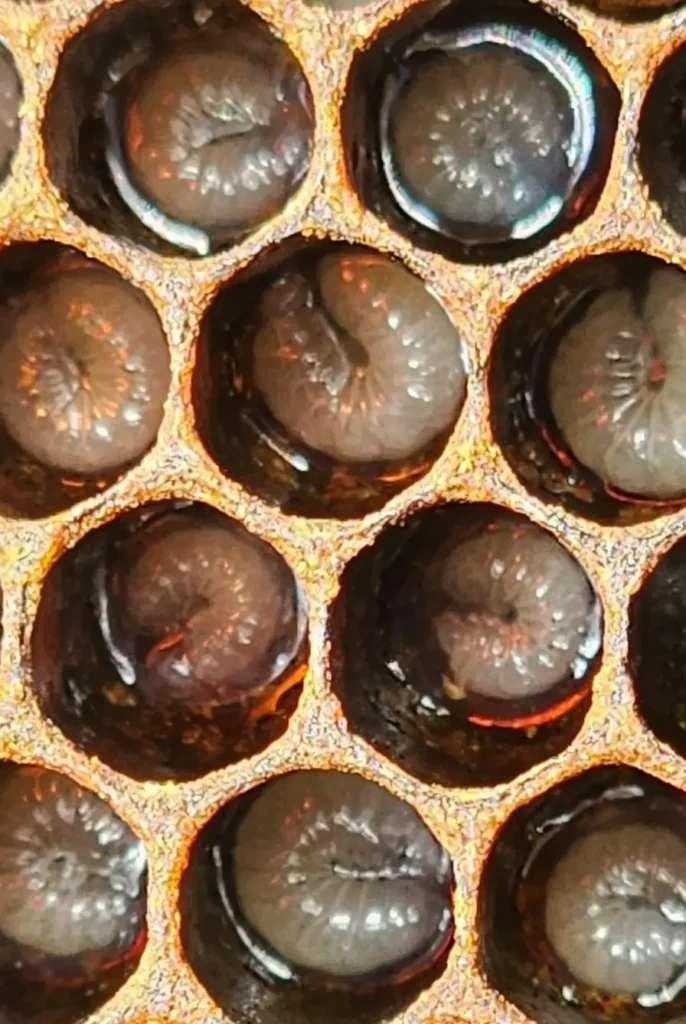
As temperatures warm and daylight hours increase, the queen bee begins laying eggs at an incredible rate. During peak spring build-up, a strong queen can lay up to 1,500–2,000 eggs per day.
This rapid egg-laying is essential. The colony needs to quickly rebuild its population after winter losses and prepare for the busy nectar flow season ahead.
Inside the hive:
This constant cycle creates a steady increase in the workforce, which is critical for everything from foraging to honey production.
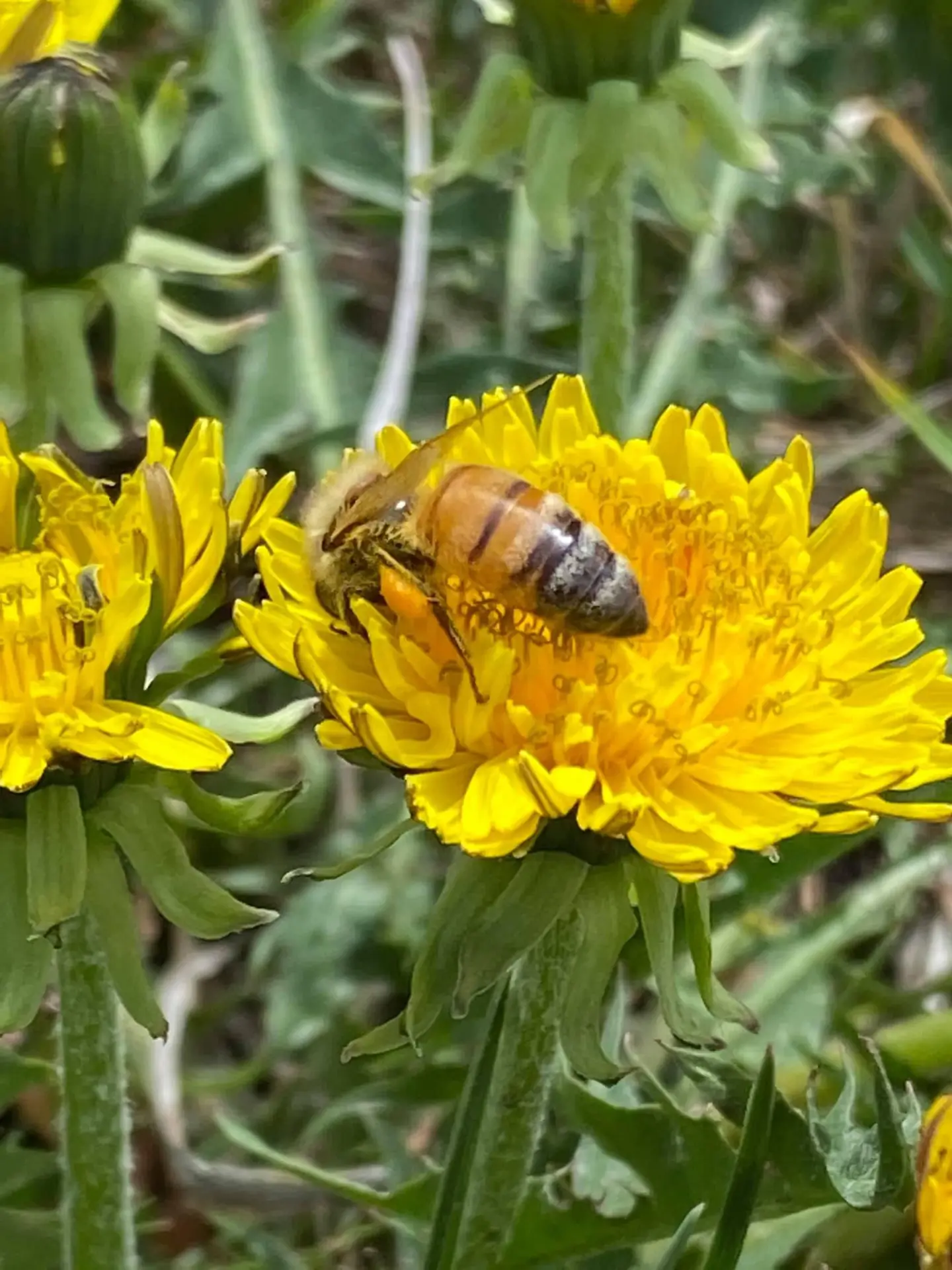
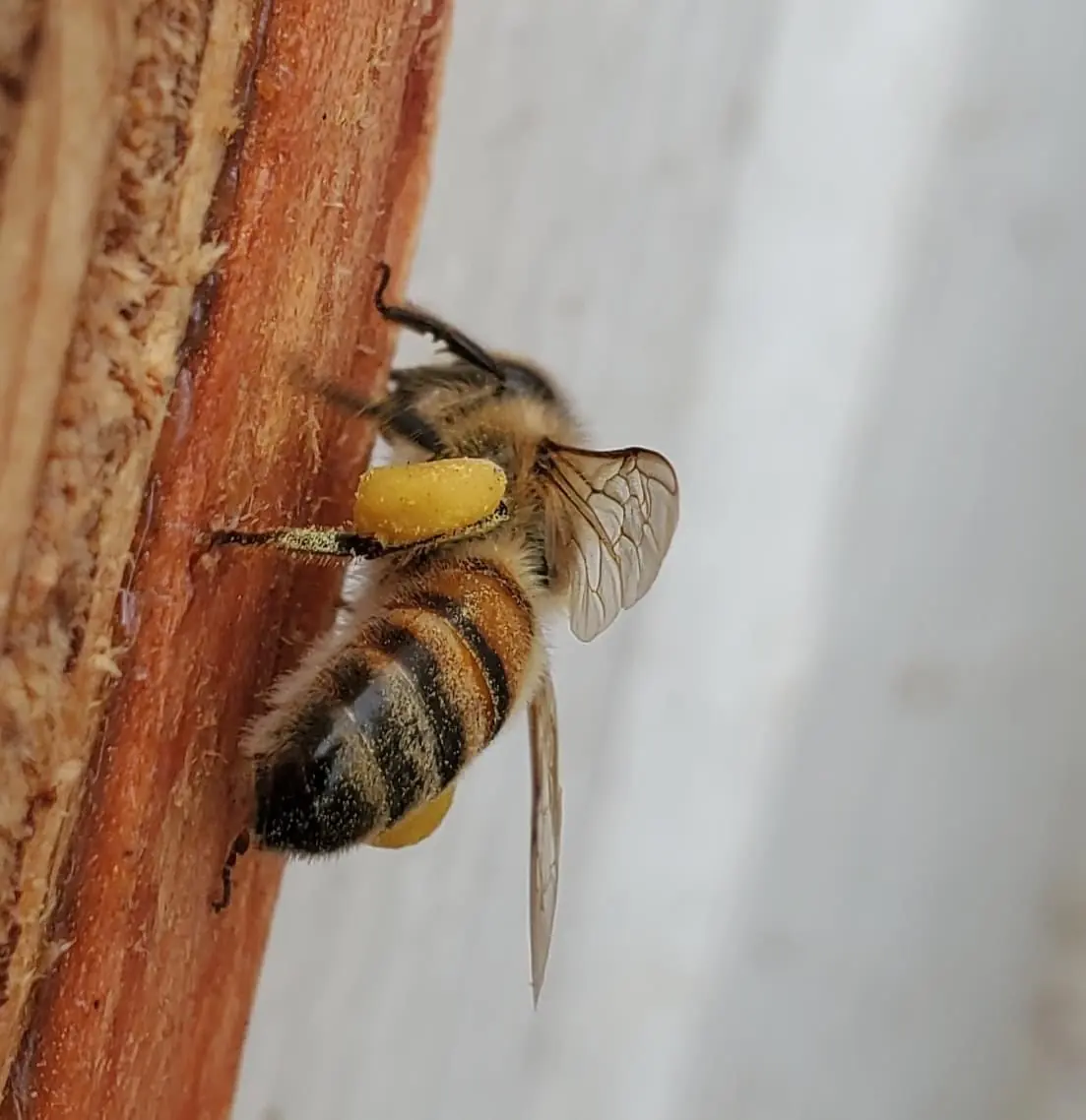
With spring flowers starting to bloom, worker bees begin foraging in full force. You’ll see them flying in and out of the hive, bringing back:
Early spring pollen sources like willows, dandelions, and fruit blossoms are especially important. These provide the nutrients needed to support brood development and colony growth.
At Browning’s Honey, this is when we start seeing hives transition from survival mode to thriving mode.
As the population grows, the colony begins expanding its living space.
Worker bees produce beeswax and start building new comb:
If the hive becomes crowded, bees naturally want to expand. As beekeepers, we stay ahead of this by adding additional boxes (called supers) to give them room to grow.
Healthy expansion is a sign that the colony is strong and productive.
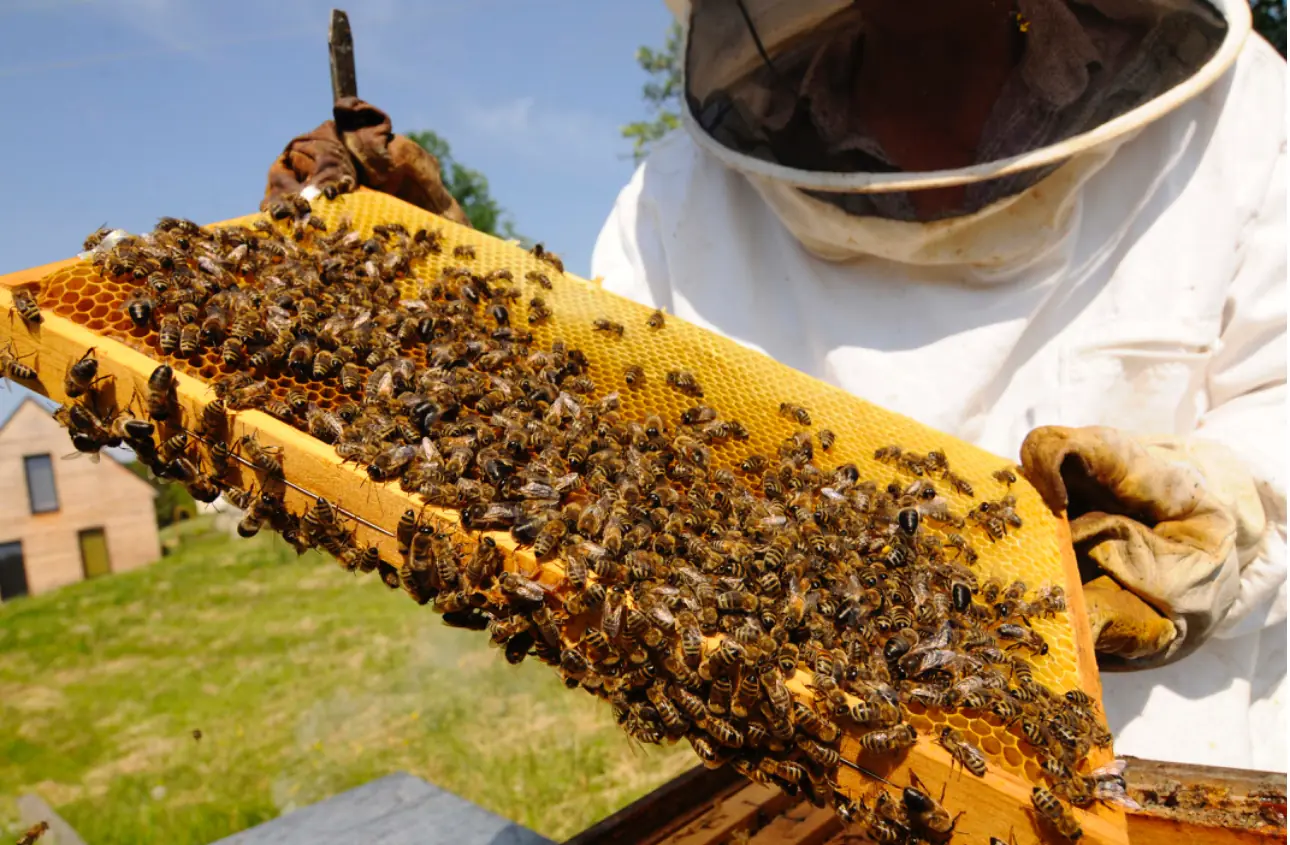
Spring is peak brood-rearing season. The hive becomes a nursery, with thousands of developing bees at different life stages.
Inside a healthy spring hive, you’ll find:
Worker bees carefully regulate temperature (around 95°F) to ensure proper development. They cluster, fan their wings, and even generate heat when needed.
This level of organization and care is one of the most fascinating parts of honeybee behavior—and it’s all happening naturally inside the hive.
With rapid growth comes one of the biggest spring challenges: swarming.
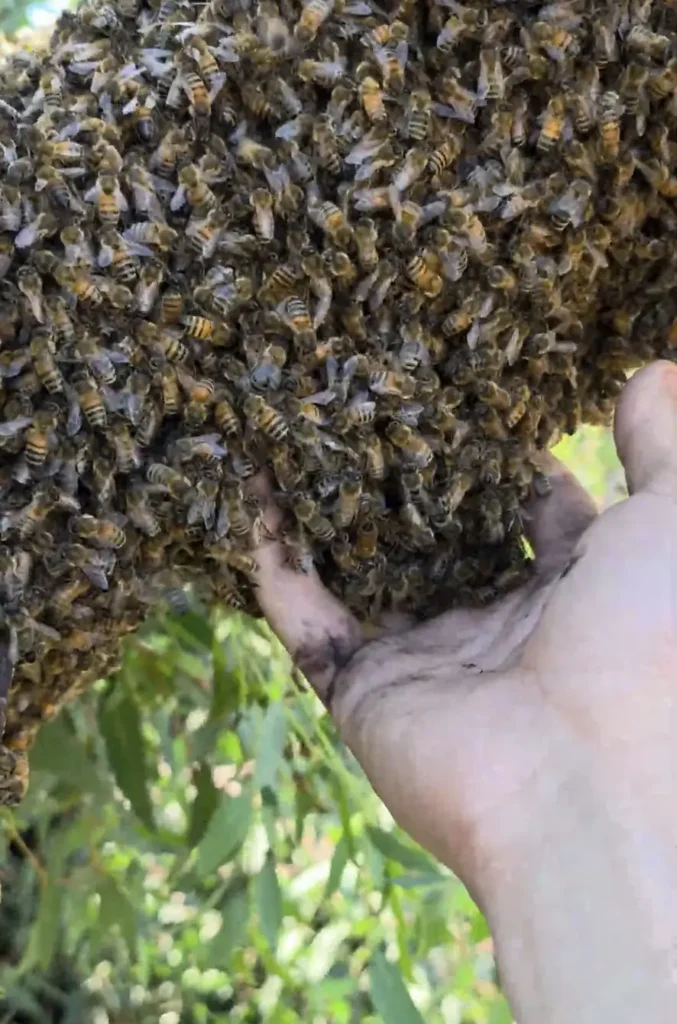
Swarming is how honeybee colonies reproduce naturally. When a hive becomes overcrowded:
While swarming is natural, it can reduce honey production if not managed properly.
At Browning’s Honey, we actively manage our hives to:
This helps us rebuild after winter and keep our colonies strong heading into summer
Winter is one of the toughest times for honeybees, especially here in Idaho and other colder climates. Some hive loss is a natural part of beekeeping.
Spring is when we evaluate each colony:
To rebuild, we:
Every strong hive you see in summer started with careful attention during spring build-up.
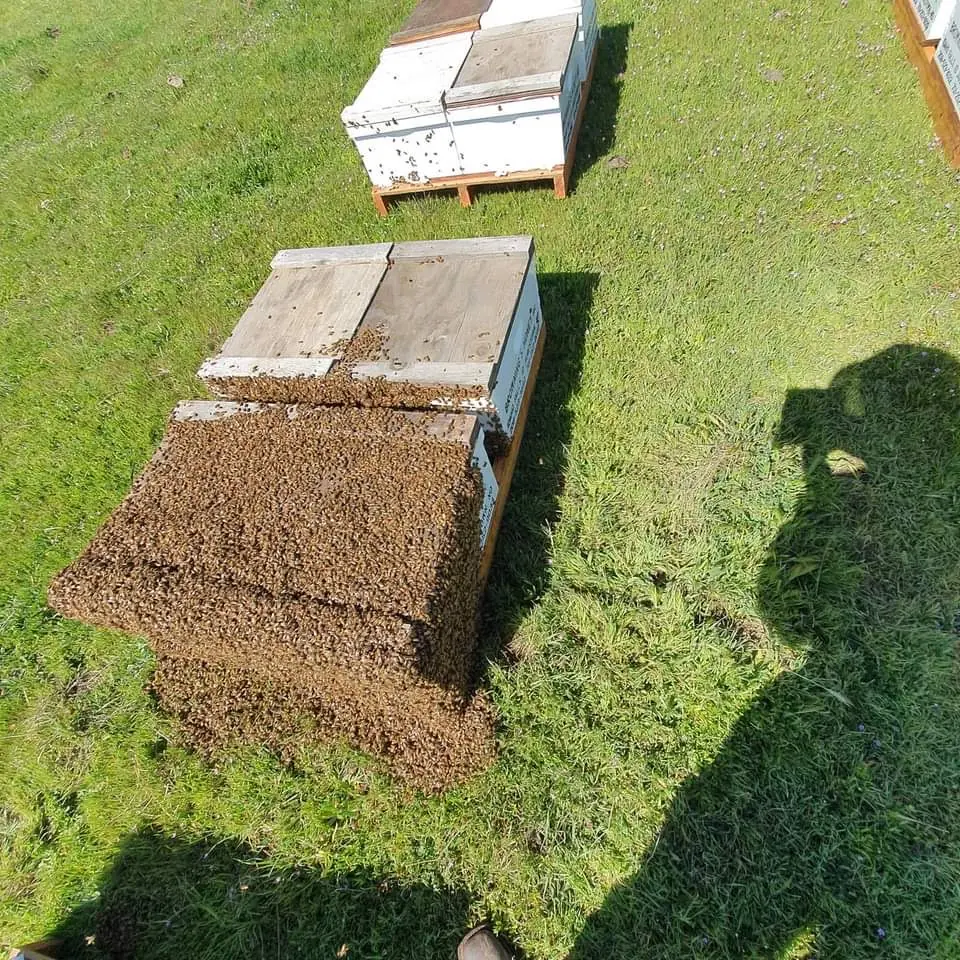
All of this spring activity leads up to one key event: honey flow.
Honey flow happens when nectar is abundant, and bees collect more than they need for survival. This is when honey production really ramps up.
Spring build-up ensures:
Without a successful spring, there wouldn’t be much honey later in the season.
That’s why this time of year is so critical for beekeepers—and why we pay such close attention to every hive.
Even if you’re not a beekeeper, spring build-up impacts the honey you enjoy.
A strong, healthy hive means:
At Browning’s Honey, we take pride in producing 100% pure, raw, and unfiltered honey, and that starts right here – in the spring, inside the hive.
Every jar of honey reflects the work the bees did during this season.
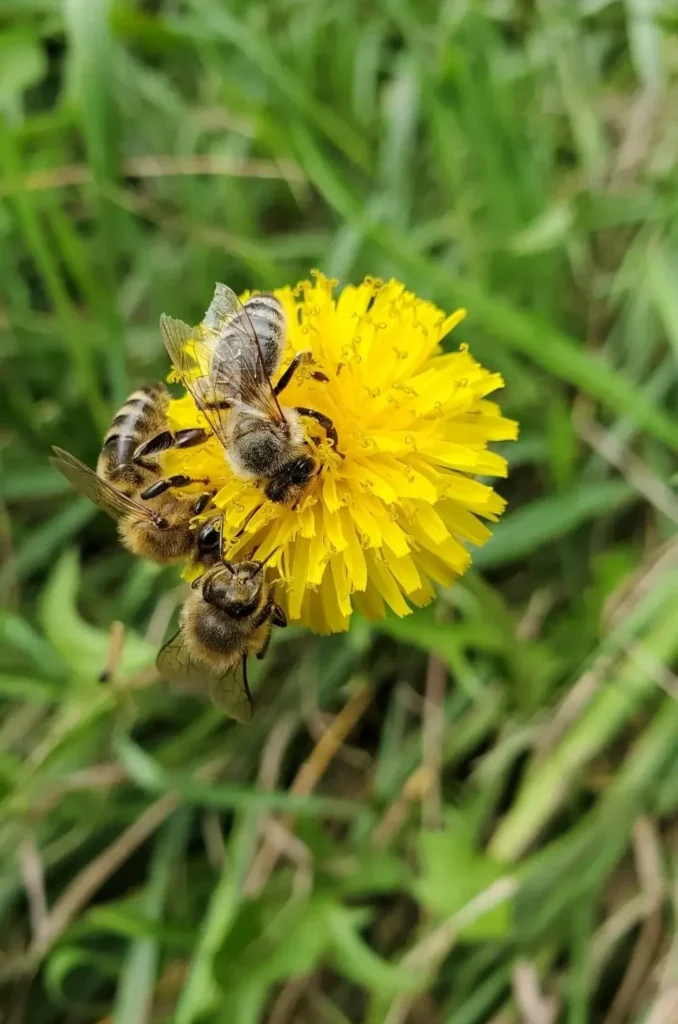
Want to help support bees during this critical time?
Here are a few simple ways:
– Plant early-blooming flowers like crocus, willows, and dandelions –
– Avoid spraying pesticides when plants are in bloom –
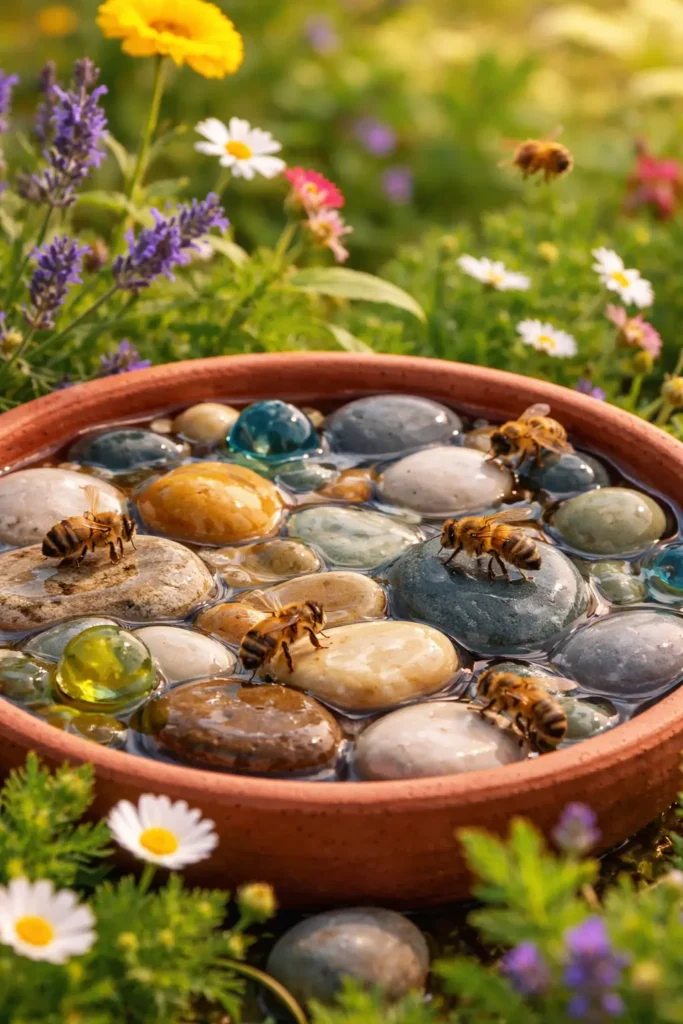
– Provide shallow water sources for bees –
– Choose local raw honey to support beekeepers –
Small actions can make a big difference for pollinators.
Spring build-up is truly the foundation of the entire beekeeping year. It’s a time of rapid growth, careful management, and incredible natural activity inside the hive.
From the queen laying thousands of eggs to worker bees gathering the first nectar of the season, everything is working together to build a thriving colony.
It’s a reminder that even after the hardest winters, growth always returns.
Want to learn more about how honey goes from hive to jar?
👉 Visit us at www.browningshoney.com
Or stop by one of our shops to see what’s new this spring—we’d love to share the buzz with you.
9019 N 5th E
1475 S. Holmes Ave
April 16, 2026
April 9, 2026
April 8, 2026
April 1, 2026