FREE SHIPPING ON ORDERS $20 AND OVER

CALL 208-516-2263

Browning's Honey

Browning's Honey

Buy Raw Honey Online

×

Your cart is currently empty!

  • Honey Shop
    • Classic Honey
    • Clover Honey
    • Creamed Honey
    • Flavored Honey
    • Honey Butter
    • Beeswax Blocks
  • Our Apiary
  • Benefits of Honey
  • The Buzz
    • Blogs
    • FAQs
    • Honey Facts, Tips, And Recipes
    • Kid’s Corner
    • Upcoming Events
  • Gift Shop
  • Contact Us
    • Refund and Returns Policy

Home | honey

Honey, the golden elixir coveted by humans for centuries, is a remarkable product of nature. At the heart of this sweet creation are the diligent honey bees, particularly the worker bees, who dedicate their lives to producing the delectable nectar known as honey. In this exploration, we delve into the intricate process of how do bees make honey, the invaluable benefits of their labor to our communities, and what we can do to help preserve and prolong their honey production.
The Honey-Making Process

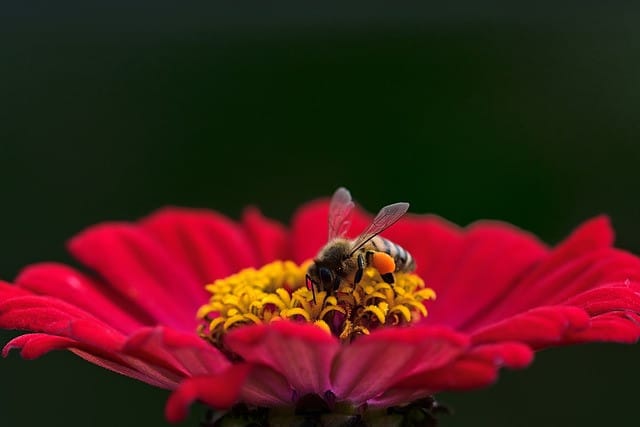
The journey of honey production begins with worker bees, the backbone of a bee colony. These dedicated insects embark on a quest to collect nectar from flowers. Equipped with their specialized proboscis, honeybees suck nectar from the flowers, which they store temporarily in their honey stomach. Nectar, a sugary liquid secreted by flowers, contains the essence of the plants’ reproductive success, making it a vital source of energy for honeybees. Once the nectar collected is sufficient, honeybees returns to the hive, where the process of making honey truly begins. The worker bee regurgitates the nectar into the waiting mouths of house bees within the colony. This communal effort involves house bees repeatedly regurgitating and transferring the nectar amongst themselves, thus breaking down complex sugars into simpler forms. They also add enzymes to the mix, which kick-start the process of converting nectar into honey. The next crucial step involves the reduction of moisture content in the nectar. House bees fan their wings vigorously, creating a warm breeze within the hive that evaporates excess water from the nectar droplets. As the moisture content decreases, the nectar thickens and becomes the familiar, sweet nectar we know as honey. This transformation is vital as it prevents fermentation and preserves the honey.

How Fast Can Bees Make Honey?

The speed at which bees can produce honey depends on various factors, including the size and strength of the bee colony, the availability of nectar sources, and environmental conditions. Bees are remarkably efficient at honey production, but it is a gradual and continuous process. Here are some key factors that influence the pace of honey production by bees:

Strength of the Bee Colony

The number of worker bees in a colony plays a significant role in honey production speed. A strong, populous colony with a large workforce can collect nectar and convert it into honey more rapidly than a smaller or weaker colony.

Nectar Availability

The availability of nectar-rich flowers in the surrounding area is a critical factor. Honeybees need access to abundant nectar sources to collect sufficient quantities for honey production. In areas with a diverse range of blooming plants, honey production can be faster.

Season and Weather Conditions

Seasonal changes and weather conditions also influence the pace of honey production. During the peak of the nectar flow, typically in the spring and early summer, bees can gather nectar more quickly. Warm and sunny weather is favorable for foraging, while rain or cold temperatures can slow down their activity.

Foraging Efficiency

The efficiency of foraging bees is crucial. Bees need to visit many flowers to collect enough nectar to produce honey. Efficient foraging behavior, such as visiting flowers with high nectar concentrations, can expedite the process.

Hive Management

The management of the hive by beekeepers can affect honey production. Beekeepers who provide healthy hives with adequate space for storing honey and managing diseases and pests can help bees produce honey more efficiently. Bee Species Different species of bees have varying rates of honey production. For instance, honey bees (Apis mellifera) are known for their ability to store substantial honey reserves, while other bee species may store less honey. Environmental Factors Environmental factors such as the availability of water sources for bees and the overall health of the ecosystem can also impact honey production speed. In optimal conditions, a strong honey bee colony can produce and store significant amounts of honey throughout the active foraging season, potentially filling multiple honeycombs within their hive. However, the exact rate at which bees make honey can vary widely depending on the factors mentioned above. It’s important to note that honey production is a gradual and continuous process that unfolds over weeks or months, rather than occurring rapidly in a short period. Beekeepers often harvest honey once the bees have stored sufficient amounts and capped the honeycomb cells with beeswax, indicating that the honey is ready for collection.

Do Bees Make Honey from Pollen?

Bees are renowned for their industriousness and vital contributions to our ecosystems. When we think of bees, we often associate them with honey production, but do they make honey from pollen? Let’s explore below:

The Role of Pollen for Bees

Pollen is a vital component of a honey bee’s diet, but it does not directly contribute to honey production. Bees, primarily the worker bees, collect pollen as a source of protein and other essential nutrients. Pollen is essential for the development of bee larvae and for sustaining the adult bees within the colony. When foraging, bees visit flowers to collect pollen, which sticks to their specialized hairs and bodies. This pollen is then transported back to the hive, where it is stored in pollen cells. Worker bees pack the collected pollen into these cells, mixing it with nectar to create a substance called bee bread. Bee bread serves as the primary protein source for the colony and is crucial for the growth and health of bee larvae.

Honey Production: The Nectar Transformation

While pollen plays a critical role in bee nutrition, the production of honey is a separate process entirely. Honey is derived from nectar, a sugary liquid produced by flowers to attract pollinators like bees. Unlike pollen, which is primarily a protein source, nectar is rich in carbohydrates. When they started to collect nectar, they use their proboscis to suck it from flowers and store it temporarily in the bee’s honey stomach. The nectar is then transported back to the hive, where worker bees regurgitate it into the waiting mouths of house bees. This regurgitated nectar undergoes a transformation within the hive. Worker bees add enzymes to the nectar, breaking down the complex sugars it contains into simpler forms, mainly glucose and fructose. The next crucial step involves reducing the moisture content of the nectar. House bees fan their wings, creating a warm breeze within the hive that facilitates the evaporation of excess water from the nectar droplets. As the moisture content decreases, the nectar thickens and becomes the sweet nectar we recognize as honey. This transformation is vital as it prevents fermentation and preserves the honey.

Does the Kind of Pollen Work?

Flower Bee Pollination Yes, the type of pollen collected by bees can have an impact on the flavor and composition of honey. Bees gather pollen from a variety of flowering plants, and the specific types of flowers they visit will influence the characteristics of the honey they produce. This is often referred to as “floral source” honey. The flavor, aroma, color, and even the nutritional content of honey can vary depending on the predominant types of flowers from which the bees collect nectar and pollen. For example: Wildflower Honey: Bees that forage on a diverse array of wildflowers produce wildflower honey. This honey can have a complex flavor profile with subtle floral notes and may vary in color from light to dark, depending on the specific mix of flowers in the region. Clover Honey: Bees that primarily visit clover flowers will produce clover honey, which is known for its mild, sweet flavor and light color. Orange Blossom Honey: Bees that collect nectar from orange blossom flowers produce a honey with a distinct citrus aroma and flavor. Lavender Honey: Honey from bees that frequent lavender fields may have a delicate lavender aroma and a slightly herbal taste. Eucalyptus Honey: Bees that forage on eucalyptus trees produce honey with a unique, robust flavor that often carries menthol or medicinal notes. These are just a few examples, and the diversity of honey flavors is practically endless, depending on the region and the availability of different flower sources. Some honey enthusiasts seek out specific types of honey for their distinct flavors and characteristics, much like one might appreciate different varieties of wine. In essence, the kind of pollen that bees collect does indeed work to influence the sensory and compositional attributes of honey, making honey a fascinating and diverse natural product shaped by the local floral environment and the foraging habits of honey bees.

What Do Bees Use Honey For?

Bees utilize honey for several essential purposes within their hive, each contributing to the survival and well-being of the bee colony. Here are the primary uses of honey for bees:

Food Source

Honey serves as the primary food source for bees, providing them with the necessary energy and nutrients to sustain their activities. Worker bees, drones, and the queen bee all consume honey as their main source of nourishment. The carbohydrates in honey, primarily glucose and fructose, provide a quick source of energy, while the trace amounts of proteins and other nutrients support their overall health.

Winter Survival

Honey plays a critical role in the survival of a bee colony during the winter months or times of scarcity. Bees store excess honey in their hives, sealing it in hexagonal cells made of beeswax. This stored honey acts as a reserve food supply when foraging becomes difficult due to cold weather or a shortage of nectar-producing flowers.

Feeding Bee Larvae

Honey is essential for the growth and development of bee larvae. Nurse bees feed young bee larvae a mixture of royal jelly, pollen, and honey. As the larvae mature, their diet shifts, with honey becoming a significant part of their diet. Honey provides the carbohydrates and energy needed for larvae to pupate and eventually emerge as adult bees.

Maintaining Humidity

Bees use honey to regulate the humidity within the hive. The hygroscopic nature of honey means it can absorb moisture from the hive’s environment or release it as needed. This helps maintain an optimal humidity level for bee comfort and hive stability.

Sealing and Preservation

Bees use honey to seal and preserve various substances within the hive. They seal brood cells with a mixture of honey and wax to protect developing bee pupae. Honey also helps to seal cracks or openings in the hive, preventing unwanted intruders and maintaining a stable internal environment.

Communication

Honey can also serve as a means of communication among bees. For example, scout bees may return to the hive and perform a “waggle dance” to convey the location of a promising nectar source to other foragers. This dance can involve the transfer of a small amount of nectar or honey from the returning bee to its hive mates, helping them recognize the scent and taste of the forage area. Honey is a versatile and vital resource for bees, serving as their primary source of nutrition, a means of survival during harsh conditions, and a tool for maintaining the hive’s environment and communication. The careful management of honey stores within the hive is essential for the health and longevity of a bee colony.

Preserving and Prolonging Honey Production

Given the critical role honey bees play in our ecosystems and food supply, it is our responsibility to safeguard their well-being. To help preserve and prolong honey production, we can take several actions:

Plant Bee-Friendly Gardens

Cultivate gardens filled with native, nectar-rich flowers to provide honey bees with ample forage.

Avoid Pesticides

Choose organic and bee-friendly alternatives to chemical pesticides, which can harm bees and their colonies.

Support Local Beekeepers

Purchase honey from local beekeepers who follow sustainable and ethical beekeeping practices.

Raise Awareness

Educate others about the importance of honey bees and their role in our environment. Promotion of Honey Browning’s Honey Products: At Honey Browning, we take pride in offering the finest raw honey, created with utmost care by our honey bees. Our products are a testament to the dedication of worker bees in our hives. By choosing Honey Browning’s honey, you not only savor the purest flavors of nature but also contribute to the preservation of honey bee populations.

Final Thoughts

The intricate process of how bees make honey is a testament to the remarkable abilities of these tiny yet highly organized insects. The benefits of bees making honey extend far beyond the delight it brings to our taste buds. These tireless pollinators play a vital role in our ecosystems and communities, ensuring the reproduction of countless plants and sustaining our agricultural systems. Their contributions to biodiversity, economic value, and educational opportunities make them indispensable allies in the natural world. Let us continue to appreciate the wonders of honeybees in making honey and actively participate in safeguarding these remarkable pollinators.

Why Choose Honey Browning’s Honey?

Our honey is meticulously crafted to deliver an exceptional taste that captures the essence of sweet nectar. With every jar of Honey Browning’s honey, you support sustainable beekeeping practices that prioritize the well-being of honey bees and the environment. Join Us in Sustaining Honey Bee Populations Make a difference today by choosing Honey Browning’s honey products. With each purchase, you help ensure the continued production of more honey while enjoying the unparalleled quality of our raw honey. Together, we can protect honey bees and their invaluable role in our communities. Don’t miss out on the opportunity to savor the purest, most exquisite honey. Check out our shop section and order your jar of Honey Browning’s honey now and be a part of the sweet solution! For bulk orders, please don’t hesitate to contact us

Filed Under: Honey Tagged With: honey, honey production, honeybees

A natural wonder, pure honey has captivated humankind for millennia with its delectable taste and myriad health benefits. Whether drizzled over morning pancakes, stirred into soothing teas, or used as a natural sweetener in recipes, honey’s versatility and rich flavor make it a kitchen staple. But have you ever wondered how long this ambrosial nectar can retain its quality and remain safe for consumption?

Does Honey Have Expiration Dates And How To Properly Store Honey?

Our Light Crates Honey Packaging

Honey’s longevity is a testament to its remarkable chemical composition. When bees collect nectar from flowers, they add an enzyme called glucose oxidase, which converts glucose into gluconic acid and hydrogen peroxide. This natural preservative action, combined with honey’s low water content (around 17-18%), creates an inhospitable environment for bacteria and other microorganisms. Furthermore, it should be stored properly in tightly sealed metal or plastic containers at room temperature away from sunlight, honey can last indefinitely. As a result, honey can remain edible for an extended period. Crystallized honey is often misunderstood as spoiled honey, but it is a natural process that occurs over time and does not affect its quality or safety. To reverse crystallization, you can gently warm the container in a water bath. Whether pasteurized honey or not, pure honey remains timeless. Pasteurization delays crystallization and doesn’t impact its indefinite shelf life. So, does raw honey expire, or does honey go bad? The answer is no. Honey’s unique composition is the reason honey lasts forever. Embrace the enchanting sweetness and health benefits of this timeless elixir, confident in its everlasting allure. The oldest honey ever found was in 2003 and was suspected to be over 5,000 years old and perfectly edible.

Factors Influencing Honey’s Quality Storage Conditions

To ensure honey stays at its best, it should be stored in a tightly sealed container at room temperature. Exposure to air, light, and fluctuations in temperature can degrade its quality. Crystallization is a natural process that occurs over time but does not signify spoilage. Placing the honey container in warm water and gently stirring can reverse crystallization.

Moisture Content

Honey with high moisture content is prone to fermentation, which affects its taste and safety. Honey’s water content should ideally be below 18%. Beekeepers use specialized techniques like centrifuging, straining, and filtering to achieve the right moisture level.

Source and Processing

The floral source of honey influences its flavor, color, and overall characteristics. Honey that undergoes excessive heating during processing may lose some of its beneficial enzymes and antioxidants, affecting its quality.

Crystallization

Crystallization, also known as granulation, is a natural process that occurs in honey due to its high concentration of sugars. It is not an indication that it has spoiled but rather a change in texture. The appearance of small crystals in honey is a normal occurrence and doesn’t affect its safety or nutritional value. To reverse crystallization, gently warm the honey jar in a water bath, and the crystals will dissolve.

Signs of Spoil Honey

light dipper in honey

As honey experts, we enjoy the delightful taste and numerous health benefits that this golden liquid offers. However, even this miraculous creation of nature can undergo changes over time when stored incorrectly or contaminated with impurities, compromising its quality and edibility. To ensure that you enjoy the best of nature’s sweetness, it’s essential to recognize the signs of spoiled honey. Here are the key indicators that may suggest your honey has seen better days.

Fermented Aroma and Taste

One of the most apparent signs of spoiled honey is the presence of a fermented aroma and taste. This occurs when excess moisture content allows yeasts to convert sugars into alcohol, leading to the formation of byproducts like acids and gases. As a result, the once pleasant and sweet honey may acquire a tangy, sour note, hinting at fermentation. Consuming fermented honey is not recommended, as it can cause digestive discomfort.

Unusual Color Changes

While honey comes in various colors and shades, any drastic change in its hue might be a sign of spoiling. If your honey has turned significantly darker or has developed an unusual tint, it may indicate contamination or the presence of impurities. In such cases, it’s best to discard the honey to avoid any potential health risks.

Presence of Foam or Bubbles

Spoiled honey may exhibit foaming or the presence of bubbles on its surface. This is another result of the fermentation process, where gases are released due to the breakdown of sugars. The formation of bubbles is a clear indication that the honey is no longer in optimal condition.

Mold Growth

One of the most obvious signs of spoiled honey is the growth of mold. If the honey is improperly stored or exposed to moisture, it becomes a breeding ground for mold spores. Mold-infested honey may develop a fuzzy or slimy appearance, with colors ranging from white and green to black. Consuming honey contaminated with mold can lead to serious health issues, so it’s crucial to discard such honey immediately.

Unpleasant Odor

Spoiled honey may emit off-putting or rancid odors, a stark contrast to the natural, floral scent of fresh honey. If you notice any strange or foul smells emanating from your honey jar, it’s best to avoid consuming it.

Final Thoughts

Honey’s longevity and timelessness make it a true wonder of nature. With its low water content, high sugar concentration, and natural preservative properties, pure honey can last indefinitely if stored properly. Unlike most foods, honey does not come with an expiration date, and when handled with care, it remains safe and delicious for years to come. Next time you reach for that jar of golden goodness, remember that its exquisite flavor, rich history, and abundant benefits are a gift that transcends time. Whether drizzled on toast, stirred into tea, or used as a natural sweetener, honey continues to captivate our taste buds and nourish our bodies, making it a timeless and beloved addition to our lives. So, savor the enchanting sweetness of pure honey, and relish the remarkable journey of this ancient magical superfood that never ceases to amaze you. Honey Browning’s commitment to honey freshness and prolonged shelf life is unrivaled. Carefully sourced from local beekeepers and meticulously processed to retain its natural goodness, Honey Browning’s pure honey delivers the epitome of sweetness and health benefits. Each jar of Browning’s honey undergoes rigorous quality checks to ensure its impeccable taste and safety. We encourage consumers to savor the sweetness of nature responsibly. Embrace the timeless allure of Browning’s honey and indulge in the richness of our honey products, a delightful addition to your culinary creations and a natural boost to your well-being.

Filed Under: Honey Tagged With: honey, honey expiration, pure honey

Many people wonder — is honey good for diabetes? Honey is a commonly used sweetening ingredient used for baking, in drinks, or as a topping. The good news for people who have diabetes is that the consumption of honey is safe. It just needs to be under the right conditions.

Diabetes requires people with the condition to monitor and manage how much sugar and carbs they put into their bodies. So they can still have sweets — in moderation. This includes honey. Not only is honey an OK thing to consume, but it also contains anti-inflammatory properties that can reduce the complications of diabetes.

What Is Diabetes?

If you are reading this, you surely already know quite a bit about diabetes. But if not, here’s a quick description of this condition. It is a disease that is characterized by having too high blood glucose (blood sugar levels). Those who have diabetes must monitor the number of carbohydrates they intake to keep their blood sugar levels under control.

People commonly believe that sugar is something that is off-limits for people with diabetes. But that is not necessarily always the case. Some forms of sugar such as honey are thought to be a substitute for other sugars. Let’s take a look at the risks and benefits of honey for both healthy people and those who are dealing with diabetes.

Diabetes In Letters

Honey’s Impact On Blood Sugar

Honey is a natural sugar and a carbohydrate. As such, it is going to have an impact on your blood sugar. However, honey has a lesser impact than table sugar does. Healthline reports on a study comparing the effects of both honey and table sugar on blood sugar levels.

In the study, researchers tested people with type 1 diabetes as well as people who do not have diabetes at all. The results show that in participants with diabetes, honey caused an initial increase in blood sugar 30 minutes after the consumption of honey. But their blood sugar levels late decreased and remained lower for two hours. These results indicate to researchers that honey may cause an increase in insulin. Insulin is an important hormone for controlling blood sugar. Despite these results, more studies and research need to be done on the subject.

Honey And Insulin

Insulin is a hormone that helps to regulate blood sugar levels. When blood sugar levels are high, your body should release insulin to help glucose be used for energy. This process lowers those levels. For people with type 1 diabetes or type 2 diabetes, this process doesn’t work as it should. Studies have shown that when you eat honey, there was less of an effect than sucrose and that honey stimulates a better insulin response than other sugars do.

Honey Prevents Diabetes?

Browning's Honey Bear Not so fast my friend. Honey may increase insulin levels. Honey may help people with diabetes control their blood sugar levels. And while these are both positive, there is no definitive evidence that indicates honey is a preventative factor for diabetes. But it is possible.
In a different study, researchers identified a potential connection between honey and a lower glycemic index. The study included 50 people with type 1 diabetes and 30 people without type 1 diabetes. Honey showed a lower glycemic effect on all of the participants of the study compared to sugar. In addition, it raised their levels of C-peptide, which is a substance that is released into the bloodstream when the body produces insulin. When your body has a normal level of C-peptide, that means it is making a sufficient amount of insulin.

What Are The Risks For People With Diabetes?

It is important to remember that honey is actually sweeter than sugar and honey consumption should happen in moderation. It is a good idea for people with diabetes to check with their doctor for medical advice before using honey as an added sweetener. And when you do eat honey, you only need a little bit to add that delicious flavor.

If you are diabetic, make sure that your condition is under control before you eat honey because of the effect it can have on blood sugar. This goes for all other sweeteners too. Once you are medically reviewed and approved to add honey to your diet, pure, organic, or raw honey are your best bets.

These are the varieties of honey that are best for people with diabetes because natural honey has no added sugar. And remember two more things. First, raw honey is not pasteurized. This means that it is not good for pregnant women or people with a compromised immune system. Secondly, processed honey from your grocery store likely also contains sugar or syrup. This added sweetener can and likely will affect your blood sugar. So make sure you research the products you buy to make sure that honey is the only ingredient and there are no added sugars.

Health Benefits Of Eating Honey

Honey is safe to add to an overall healthy diet. Plan to eat a diet that is rich in fiber. To do this, you’ll want to have foods like vegetables, fruit, whole grains, nuts, seeds, and legumes. These foods will help properly manage your blood sugar levels. It helps to view your meal as a whole. So, when you eat something with honey, balance that out by including some other nutritious snacks that are lower in carbohydrate content.

There are health benefits for diabetic patients for adding honey to their diet. One benefit is that honey can increase insulin levels and help control blood sugar. Swapping honey for sugar is also beneficial because honey is a good source of antioxidants and anti-inflammatory characteristics. Antioxidants are important because they can improve the way your body metabolizes sugar. The anti-inflammatory properties may be able to reduce complications for people with diabetes. Inflammation leads to insulin resistance — when the body does not properly respond to insulin.

In Conclusion

Raw honey is a popular natural sweetener. It can provide a positive impact on your glycemic index. (Glycemic index is a number between 0 and 100 that is assigned to food. Pure glucose has a value of 100. These numbers represent the rise in your blood glucose level two hours after eating that specific food.) Just make sure that it is added to your diet and food in moderation. Research is needed on your part. That should include your medical provider.

Now that we’ve answered the question of whether honey is good for people with diabetes — check out our shop and browse our selection and make your order. Or go here to contact us if you have any more questions. We’ve been in business for an entire century, so when it comes to honey — we’ve got you covered!

Filed Under: Health, Honey Tagged With: benefits, health, honey

  • 1
  • 2
  • Next Page »
Shop Online

Locations

9019 N 5 E
Idaho Falls, Idaho 83401

1475 S Holmes Ave.
Idaho Falls, ID 83404
(On S Holmes between 14th and 15th Street)

208-516-2263

Menu

  • Honey Shop
  • Our Apiary
  • Benefits of Honey
  • The Buzz
  • Gift Shop
  • Contact Us

Hours

Monday 9:00 AM - 5:00 PM
Tuesday 9:00 AM - 5:00 PM
Wednesday 9:00 AM - 5:00 PM
Thursday 9:00 AM - 5:00 PM
Friday 9:00 AM - 5:00 PM
Saturday 10:00 AM - 4:00 PM
Sunday CLOSED

Refund & Returns Policy

Refund & Returns Policy

Browning’s Honey

© 2025 Browning's Honey | All Rights Reserved | Privacy Policy | Terms | XML Sitemap | Sitemap | Accessibility | Anti Discrimination | Site by PDM