World Honey Bee Day: Celebrating the Bees, Beekeepers & a Tradition Worth Protecting
August 20, 2026
Browning's Honey
Buy Raw Honey Online

January 28, 2026
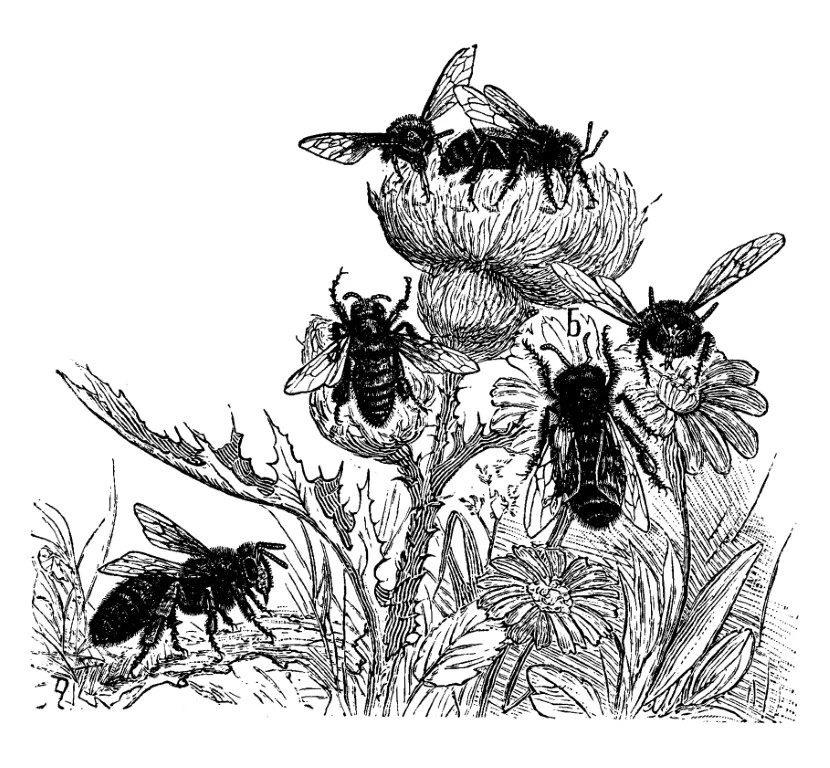
For many centuries, bees have held a special place in human imagination. They have appeared in folklore, myths, religious texts, and cultural traditions as symbols of life, cooperation, mystery, and even the divine. Their remarkable behavior and vital role in nature inspire stories that transcend borders and generations.
So why do bees show up again and again in the world’s myths and symbolism? This answer lies in what bees represent and how closely their lives mirror our own.
One of the most universal meanings associated with bees is unity. A beehive functions through teamwork, discipline, and shared purpose. These qualities are often admired in human societies.
Ancient Greece — Greeks viewed bees as models of ideal social order, often linking them to harmony and civic responsibility.
Africa — African folklore frequently portrays bees as teachers of cooperation and collective strength.
Europe — Many European traditions have used the hive as a metaphor for a well-run community or kingdom.
Utah (United States of America) — Utah is nicknamed “The Beehive State,” and the beehive appears on Utah’s state emblem, seal, and flag. They use it to symbolize the industry, hard work, and cooperation of early Mormon Pioneers.
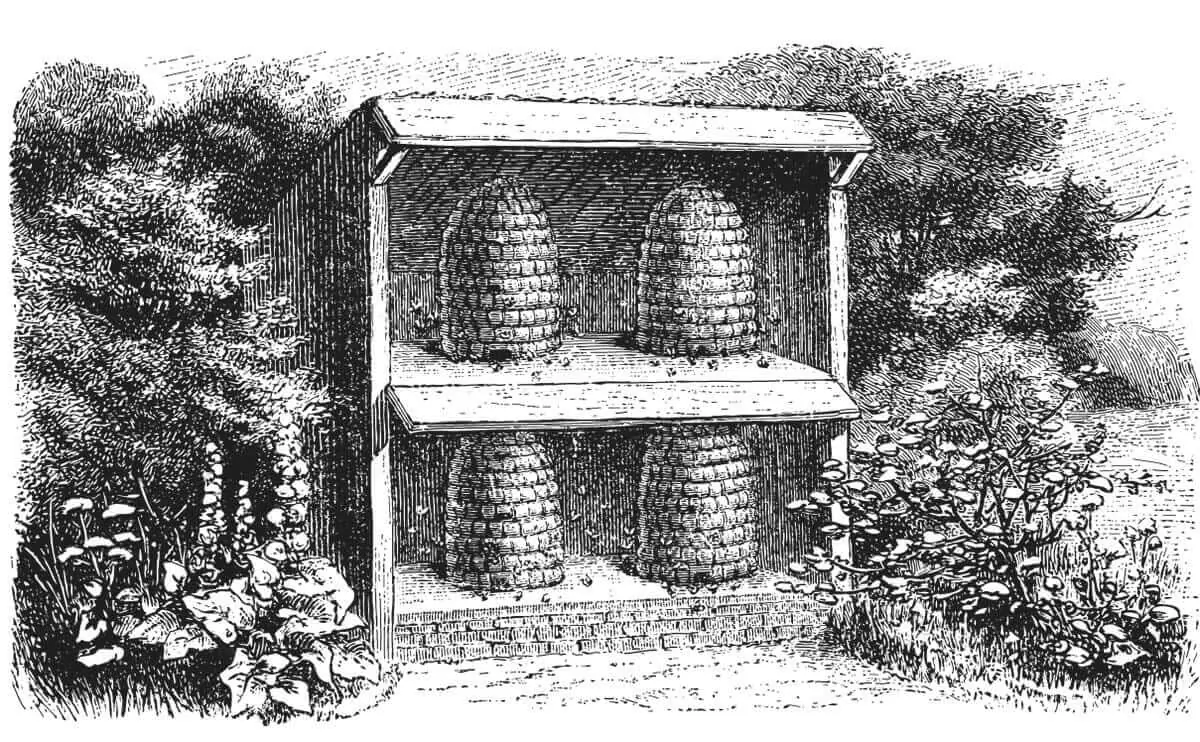
The traditional woven beehive, or skep, eventually became a symbol in its own right. Learn more about its fascinating history in From Skeps to Superstition: Why the Old Beehive Became the Symbol of Honey.
Because bees thrive through collaboration, they became powerful symbols of working together for the greater good.
In many cultures, bees were believed to travel between realms, bridging the physical world and the spiritual one.
Celtic Folklore — Bees were thought to carry messages between the living and the dead. Families even practiced “telling the bees” important news, such as births or deaths.
Ancient Egyptian Mythology — Egyptians associated bees with the soul and rebirth, believing they were born from the sun god Ra. They also believed bees carried the souls of the departed.
Slavic Mythology — Bees were considered sacred creatures, connecting the living world with the realm of the dead. They believed each bee could be carrying the soul of an ancestor.
Pueblo Native Americans — The Hopi people (a Pueblo tribe) believed bees were connected to the spirit world and their buzzing was them communicating with the spirits.
Their ability to disappear into flowers and return with golden honey gave bees an almost mystical reputation.

Bees have strong ties to goddesses and feminine power across mythologies.
Greece — In Greek mythology, bees were sacred to Demeter and Artemis, representing fertility, nourishment, and protection.
Minoan Civilization — The Minoan civilization depicted priestesses adorned with bees, linking them to wisdom and sacred knowledge.
Hinduism — In Hindu symbolism, bees often appear alongside deities as symbols of desire, devotion, and spiritual focus.
This connection likely stems from the hive’s nurturing role and the queen bee’s central place in colony life.
Where there are bees, there is honey, and honey has its own symbolism.
Norse Mythology — Honey and mead were associated with poetry, inspiration, and eternal life.
The Bible — Biblical references describe the Promised Land as flowing with milk and honey, symbolizing abundance and divine blessing.
Chinese Culture — In Chinese culture, honey represents sweetness, prosperity, and abundance, and is often referred to as “liquid gold.”
Slavic Folklore — They believed that if you found a wild bee colony in the woods near your home, you would have prosperity for seven generations.
Because honey never spoils, many ancient cultures saw it as a substance of immortality and sacred power.
Bees’ tireless nature made them enduring symbols of diligence and success.
Medieval Europe — Bees represented moral virtue, order, and productivity.
Napoleon — Napoleon famously adopted the bee as an emblem of authority, diligence, stability, and industrious leadership.
Industrial Symbolism — In 19th-century England, the bee became a symbol of Manchester’s industrial, hard-working spirit.

Bees remain deeply meaningful in modern culture, not only as symbols but also as essential contributors to the ecosystem. Their enduring symbolism can still be seen today in artwork, jewelry, home décor, and other bee-inspired gifts and novelties that celebrate their connection to hard work, community, nature, and abundance.
As pollinators that sustain life, bees continue to embody the same values that made them revered thousands of years ago.
From sacred messengers and divine symbols to emblems of teamwork and abundance, bees have earned their place in folklore and mythology worldwide. Their stories remind us that even the smallest creatures can carry immense meaning and that harmony, cooperation, and respect for nature are values that transcend cultures and generations.
That connection between people and honeybees is still alive today through modern beekeeping and honey production, as beekeepers work to maintain healthy colonies while enjoying the remarkable products bees provide. Our fascination with bees has also found its way into art, décor, and everyday life.
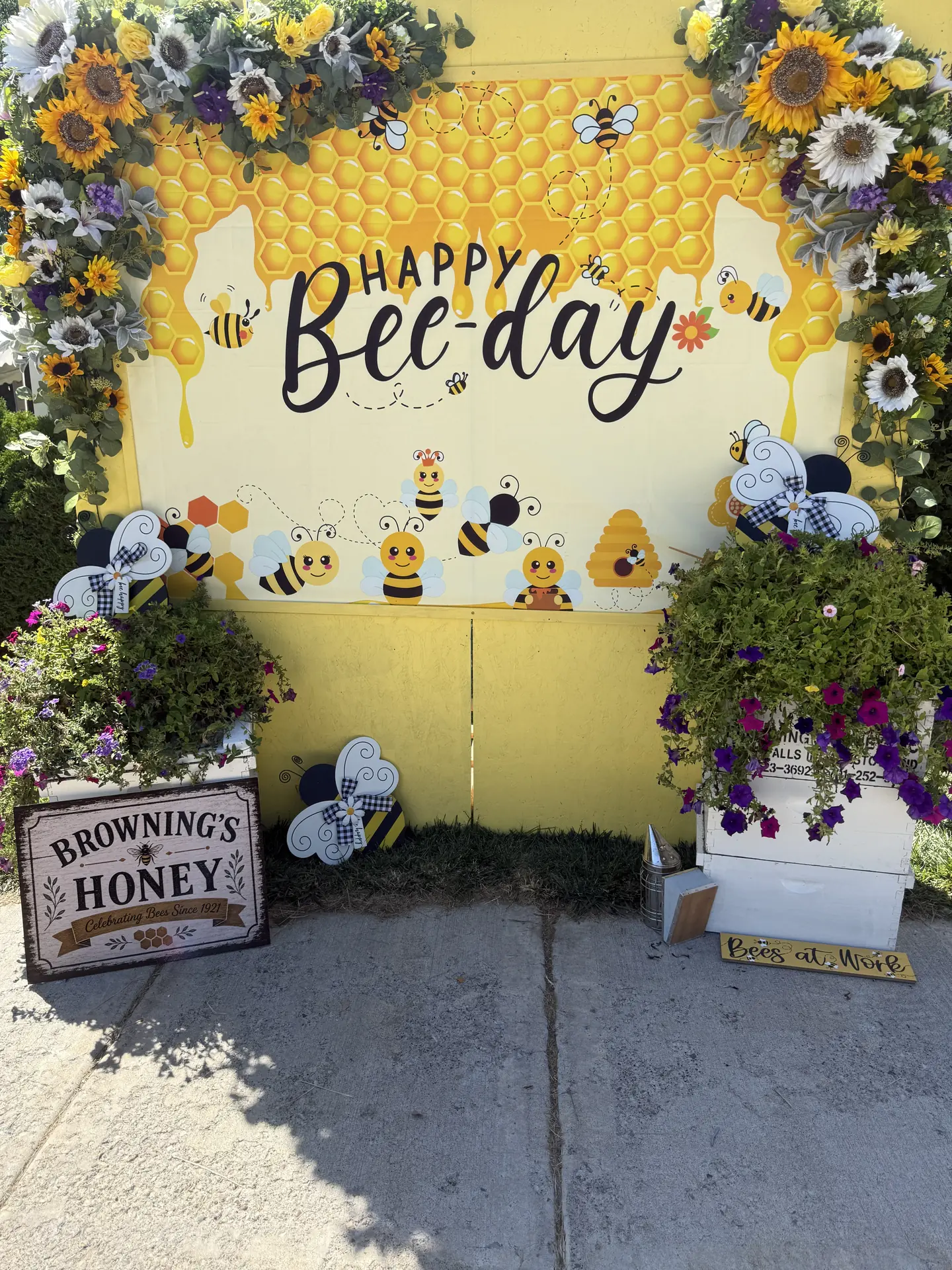
At Browning’s Honey, you can see that inspiration throughout our Idaho Falls gift shops, where you’ll find honey, beeswax, bee-themed gifts, home décor, and other products inspired by these remarkable pollinators.
August 20, 2026
July 23, 2026
July 16, 2026
July 10, 2026