Kids & Bees: Safe Ways to Teach Children About Pollinators
March 25, 2026

Browning's Honey
Buy Raw Honey Online
February 17, 2026
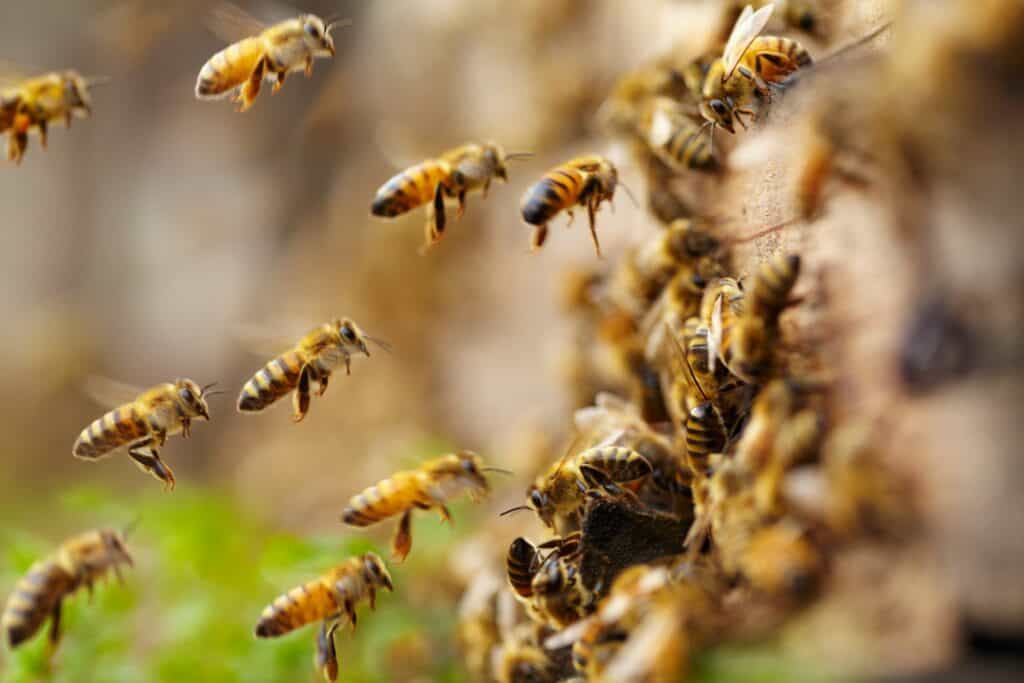
Honeybees play a critical role in pollinating crops and maintaining a healthy ecosystem. Unfortunately, they face a range of diseases that can weaken hives, reduce honey production, and even cause colony collapse if left untreated. Understanding the most common bee diseases and how beekeepers prevent them can help you protect these vital pollinators.
Below are the most common diseases affecting honeybees and the practical steps beekeepers take to keep their hives healthy.
American Foulbrood is one of the most serious bacterial infections that can affect honeybees. It attacks developing larvae, leaves a sticky mass in cells, and produces long-lasting spores that can survive for decades. AFB is also highly contagious.
Signs to watch for:
Prevention methods:
European foulbrood is a bacterial disease that affects larvae before they are capped. Unlike AFB, it doesn’t form long-living spores and is often linked to stress or poor nutrition. EFB typically manifests in the spring.
Signs to watch for:
Prevention methods:
Chalkbrood is a fungal disease that causes larvae to harden into white, chalk-like mummies, often seen at the hive entrance. It often results from high stress or temperature changes in the hive. It is most common in the spring, when it’s cooler, and the hive is rapidly growing.
Signs to watch for:
Prevention methods:
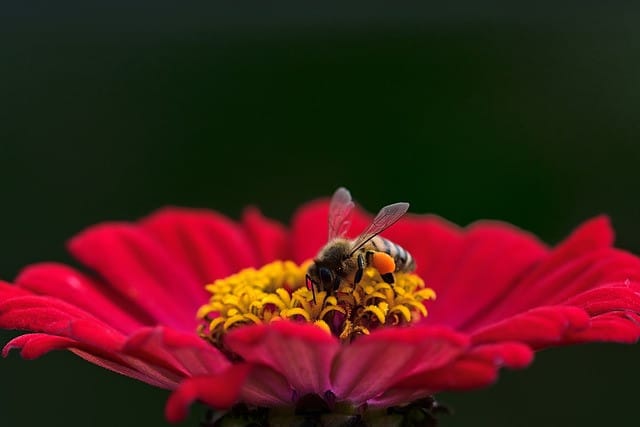
Nosema is a microscopic parasite that infects adult bees, invading their gut, affecting their digestive systems, causing weakness, and shortening their lifespan. Since it’s invisible to the naked eye and causes very general symptoms, it’s commonly referred to as the “silent killer” of bees.
Even though it often goes undetected, you may still catch it by watching for:
Prevention methods:
Deformed Wing Virus is commonly spread by Varroa mites and results in bees with misshapen wings that cannot fly or forage.
Signs to watch for:
Prevention Methods:
One of the biggest threats honeybees face isn’t disease but the Varroa destructor mite. These tiny external parasites attach to bees and feed on their fat bodies (a critical organ for immunity and nutrient storage).
These mites are dangerous because:
Beekeepers routinely monitor mite levels using sugar rolls, alcohol washes, or sticky boards and treat colonies when they reach the threshold. Integrated Pest Management (IPM) methods include organic acids, essential oils, drone brood removal, and carefully timed treatments.
While individual diseases require specific responses, successful beekeepers prevent most sickness by:
Healthy bees are better equipped to fight disease naturally.
Bee diseases pose a serious challenge, but they are not unbeatable. With proper education, attentive hive management, and early intervention, beekeepers can dramatically reduce the impact of disease on their colonies. Preventive care not only protects individuals but also helps support pollination, biodiversity, and food systems worldwide.