Back to School with Honey: Simple & Delicious Ways to Fuel Busy School Days
September 24, 2026

Browning's Honey
Buy Raw Honey Online
July 10, 2026
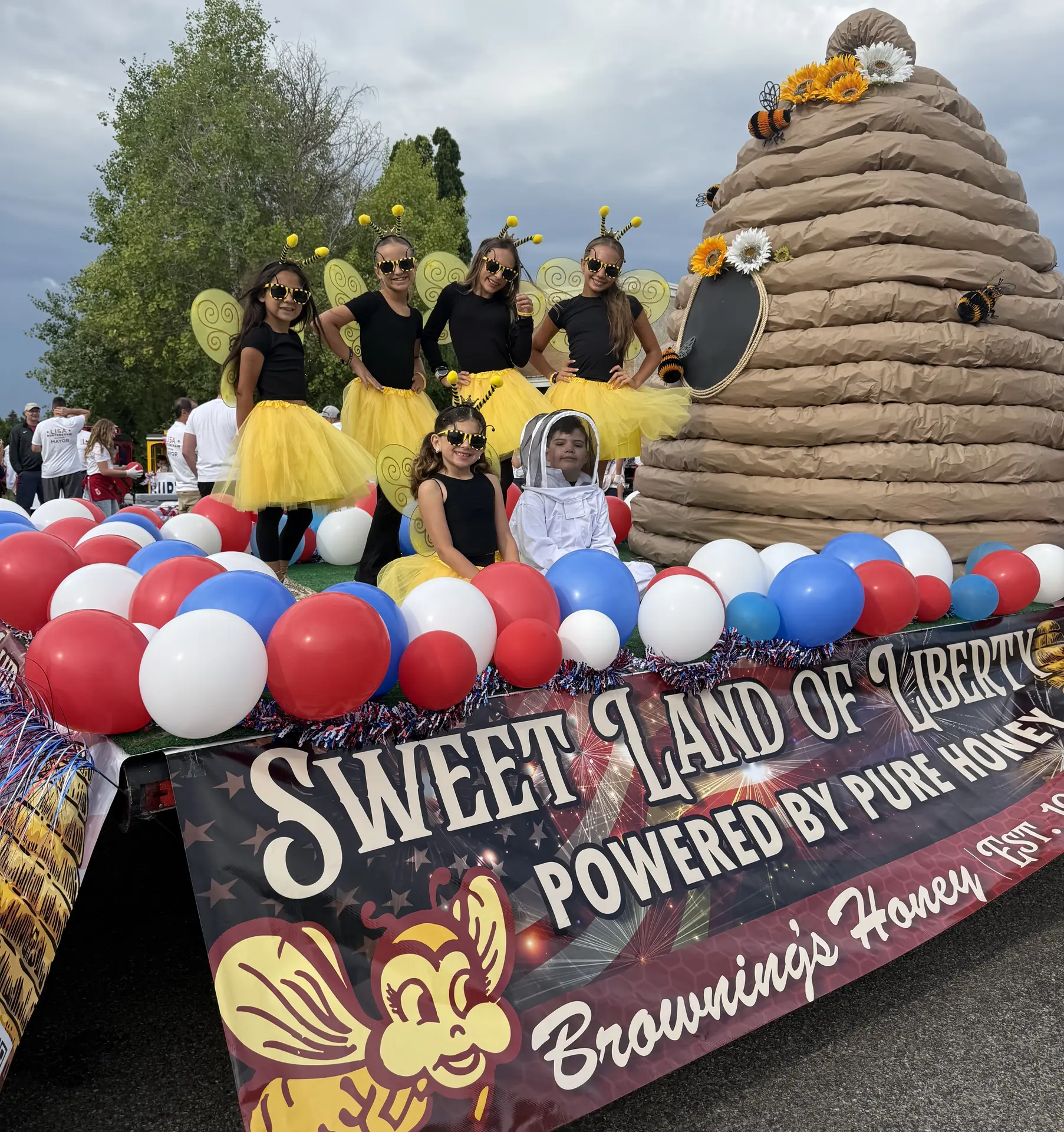
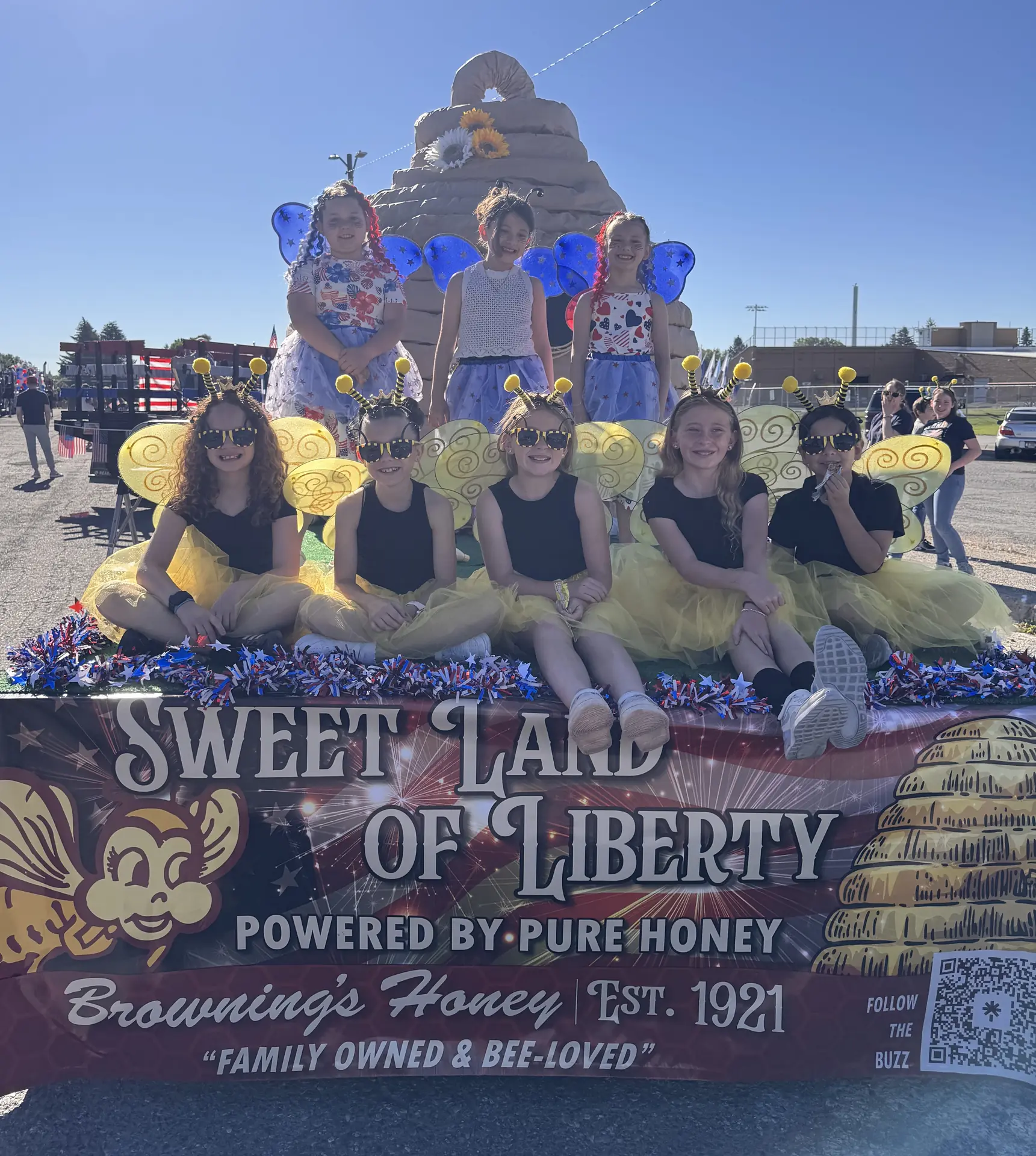
If you watched the Idaho Falls Fourth of July Parade this year, you may have spotted something unusual rolling down the street—a giant woven beehive.
Or perhaps, if we’re being honest, you thought it looked like…well…something else.
You’re not alone! We heard more than a few funny comments as our float passed by. That’s what inspired this week’s blog, because that giant basket wasn’t just a whimsical decoration. It was a skep, one of the oldest types of beehives in human history.
The parade gave us the perfect opportunity to share a piece of beekeeping history that many people have never heard. It also raised an interesting question:
If beekeepers don’t use skeps anymore, why is that old straw beehive still the symbol of honey everywhere you look?
The answer takes us back thousands of years.
Long before wooden beehive boxes, forklifts, honey extractors, and bee suits, people simply tried to give wild honey bees a safe place to live.
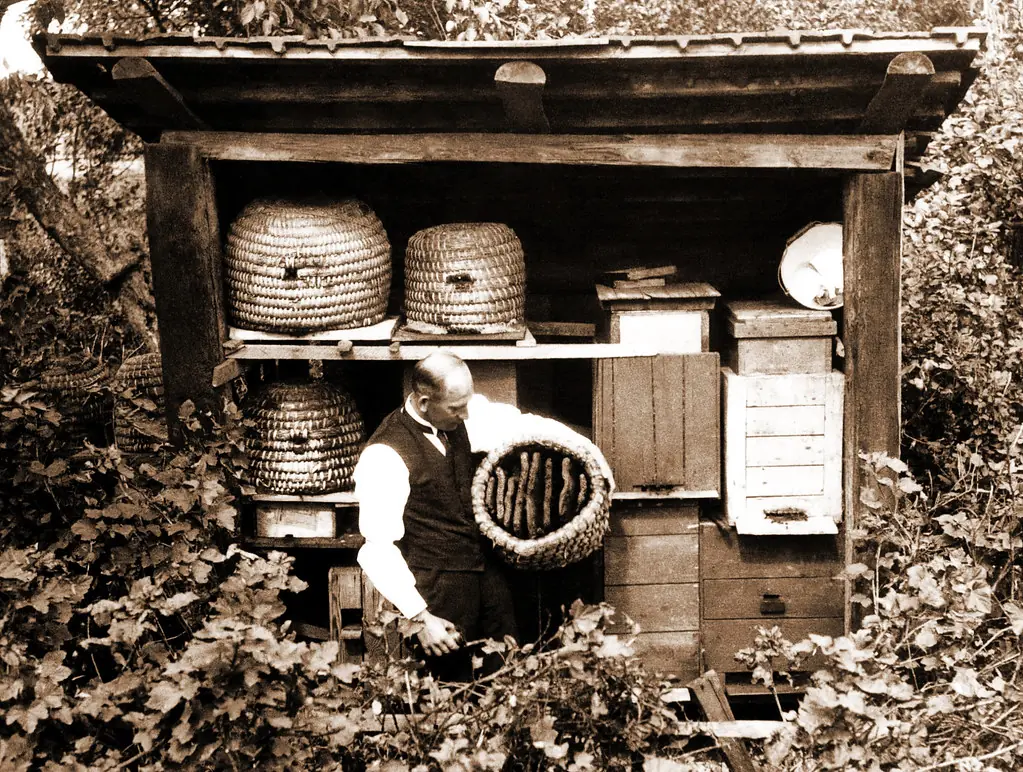
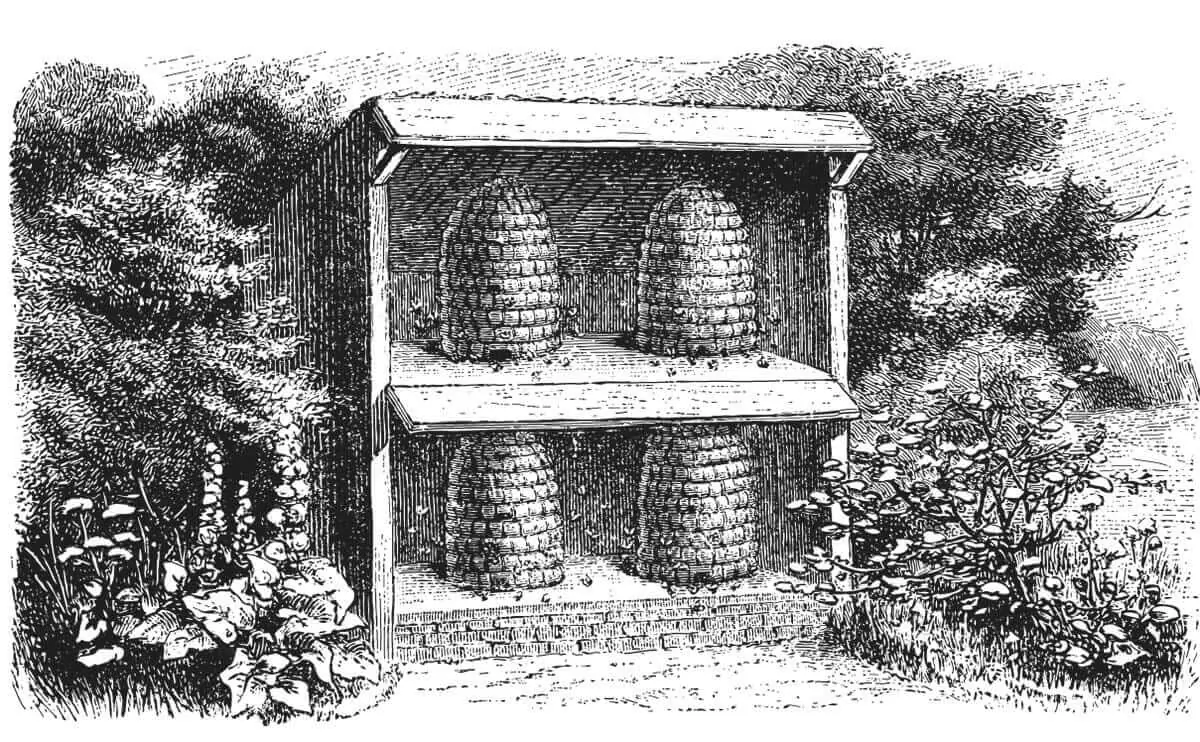
Early beekeepers experimented with hollow logs, clay pots, woven baskets, and even pottery vessels. Over time, one design proved especially practical throughout Europe—the skep.
A skep was made by tightly weaving straw, rye grass, or reeds into a dome-shaped basket. It was inexpensive, durable, and surprisingly well insulated. The thick walls helped bees stay warm during winter and cooler during summer.
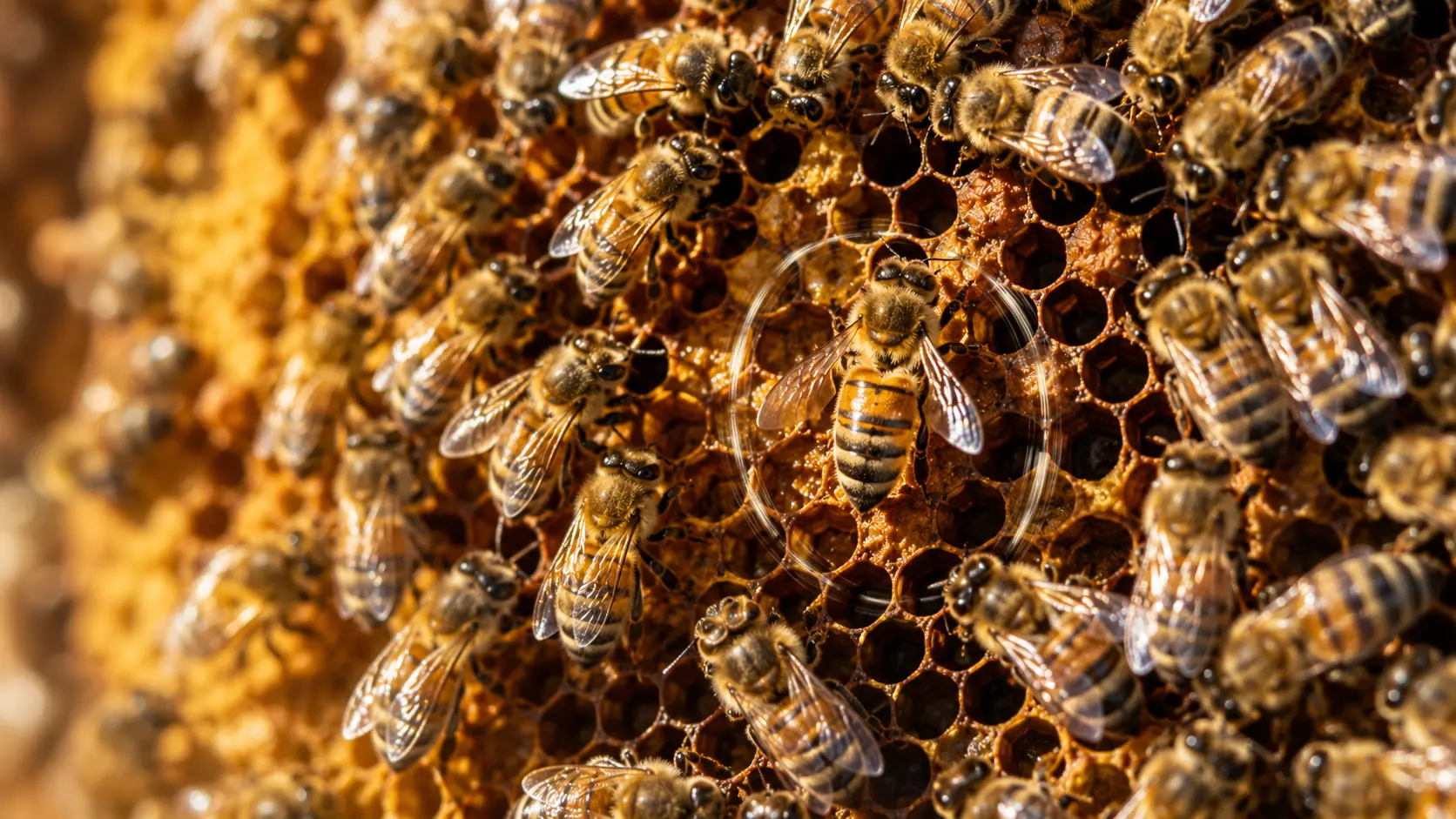
Once a swarm moved in, the colony built beautiful sheets of honeycomb hanging from the inside ceiling.
For hundreds of years, this was considered cutting-edge beekeeping.
Take a look through old artwork, advertisements, or family crests, and you’ll notice something.
Whenever an artist wanted to represent bees, honey, hard work, or abundance, they almost always drew a skep.
Why?
Because for nearly 2,000 years, that was what a beehive looked like.
The skep became as recognizable as a cowboy hat or a windmill. It represented agriculture, prosperity, cooperation, and sweetness.
By the time wooden hives were invented in the 1800s, the skep had already become deeply rooted in art, literature, advertising, and popular culture.
That’s why you’ll still find skep-shaped honey jars, logos, kitchen décor, cookie jars, and even emoji-inspired illustrations today—even though modern beekeepers rarely use them.
If you’ve ever looked closely at the Browning’s Honey logo, you may recognize that familiar woven beehive shape. Our registered trademark proudly features a traditional skep alongside our own distinctive honey bee design.
That wasn’t an accident.
When our family chose the skep as part of our logo, it was a way to honor the rich history and traditions of beekeeping. While we use modern Langstroth hives to care for our bees today, the skep represents the generations of beekeepers who came before us and the timeless relationship between people and honey bees.
To us, the skep is more than just an old-fashioned beehive. It symbolizes craftsmanship, hard work, heritage, and a deep respect for the honey bees that have sustained people for thousands of years. As a fifth-generation family beekeeping business, we’re proud to carry that legacy forward—combining time-honored traditions with modern beekeeping practices to produce the highest-quality honey possible.
So, the next time you see the Browning’s Honey logo on one of our jars, you’ll know there’s a story behind it. It’s not simply a logo—it’s a tribute to the history of beekeeping and the generations of beekeepers who made our work today possible.
As charming as they look, skeps had one major flaw.
They couldn’t be opened.
The honeycomb was attached directly to the inside of the basket, meaning there was no easy way to inspect the colony or harvest honey without destroying comb.
In many parts of Europe, harvesting honey often meant sacrificing the entire colony. Some beekeepers used sulfur smoke to kill the bees before removing the honeycomb.
While this sounds shocking today, remember that people simply didn’t understand honey bee biology the way we do now.
There was no knowledge of diseases, parasites, queens, or sustainable colony management.
Fortunately, that would eventually change.
In 1851, Lorenzo Lorraine Langstroth made one of the most important discoveries in beekeeping history.
He noticed that honey bees consistently leave a very precise gap—about ¼ to ⅜ inch—between pieces of comb. Today, beekeepers call this bee space.
If the gap is smaller, bees seal it with propolis.
If it’s larger, they fill it with comb.
Using this simple observation, Langstroth designed a beehive with removable wooden frames that perfectly preserved bee space.
It revolutionized beekeeping.
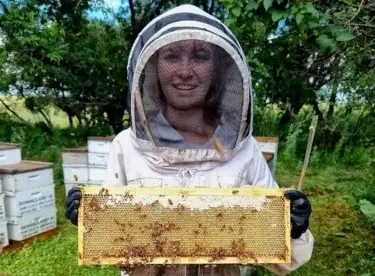
For the first time, beekeepers could inspect colonies without destroying them, harvest honey while leaving bees healthy, replace queens, monitor diseases, and help colonies survive year after year.
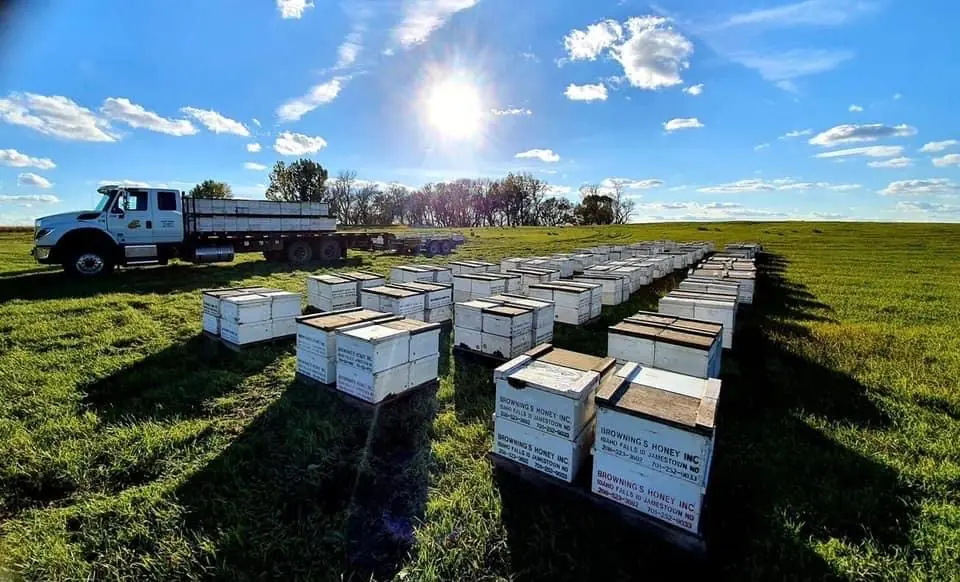
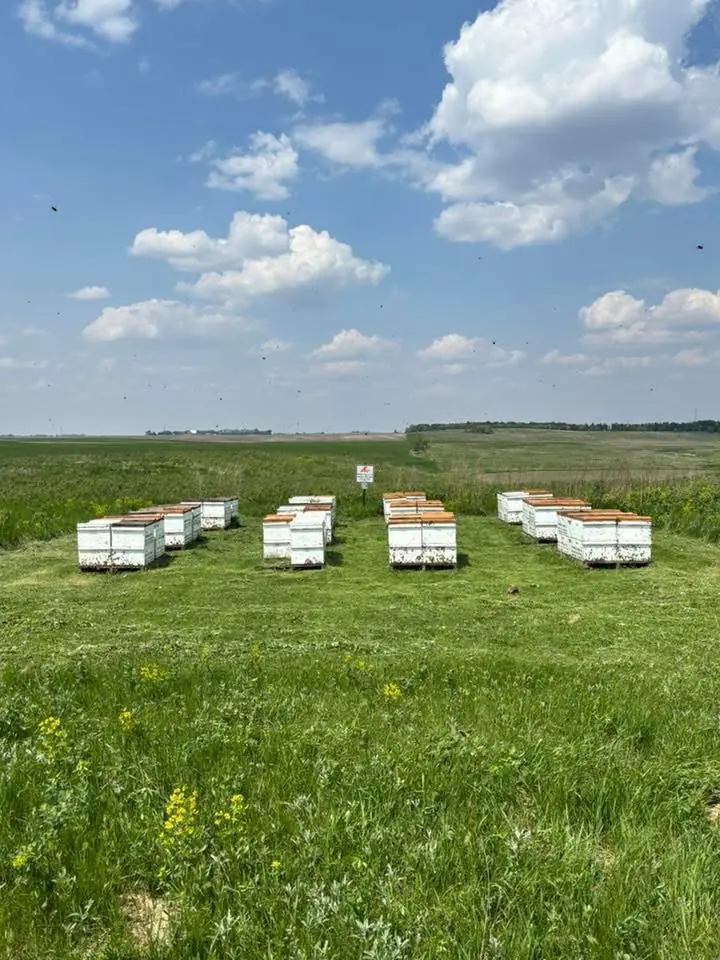
Nearly every commercial beekeeper in North America still uses a version of the Langstroth hive today—including us here at Browning’s Honey.
If skeps are obsolete, why did we build one big enough to drive through downtown Idaho Falls?
Because history matters.
Our float wasn’t built to recreate a working apiary or teach modern beekeeping. It was built because we wanted people to smile, ask questions, and maybe learn something they hadn’t known before.
Judging by the conversations we had after the parade, it did exactly that. Some people recognized it immediately. Others had never heard the word “skep” before. Either way, it gave us a chance to share a small piece of beekeeping history with our community.
Our family has been keeping bees for five generations. While our equipment has changed dramatically over the years, our appreciation for the generations who came before us has not.
That giant skep wasn’t meant to show how we keep bees today.
It was meant to honor where beekeeping began.
It represents thousands of years of people working alongside one of nature’s most incredible insects.
Sometimes, looking backward helps us appreciate just how far we’ve come.
Honey bees have shaped civilizations in surprising ways.
Ancient cultures prized honey as one of the world’s only natural sweeteners. Beeswax illuminated churches with candles, sealed important documents, waterproofed tools, and even played a role in early medicine and art.
Because of bees, entire communities developed around beekeeping.
Over time, the skep became a symbol not only of honey but also of diligence, cooperation, prosperity, and the rewards of hard work.
Those values still resonate today.
Even though modern beekeepers use stacked wooden boxes for beehives instead of straw baskets, the skep remains one of the most recognizable agricultural symbols in the world.
It’s featured on everything from honey labels and bakery signs to quilts, paintings, and antique collectibles.
It reminds us that while technology evolves, some traditions are simply too meaningful to disappear.
So the next time you see that familiar woven dome, you’ll know it isn’t just an old-fashioned beehive.
It’s a symbol of thousands of years of human history, ingenuity, and our enduring relationship with honey bees.
And if you happened to see one rolling through the Idaho Falls Fourth of July Parade…
Now you know exactly what it was.
(And yes—we got quite a few laughs out of the mistaken guesses!)
Stop by our shop or visit us online to explore our full lineup of raw, unfiltered honey, cream honey, and seasonal favorites.
Because when you support local beekeepers, you’re supporting healthy bees, strong agriculture, and a tradition that’s been passed down for generations.
📍 9019 N 5th E
📍 1475 S. Holmes Ave
🌐 https://browningshoney.com/
September 24, 2026
August 20, 2026
July 23, 2026
July 16, 2026