Back to School with Honey: Simple & Delicious Ways to Fuel Busy School Days
September 24, 2026

Browning's Honey
Buy Raw Honey Online
June 4, 2026
Every June, we celebrate Pollinator Month, a time dedicated to recognizing the insects, birds, and animals that make life as we know it possible. While they are often small and easy to overlook, their impact on our food supply, environment, and economy is enormous.
At Browning’s Honey, these creatures are at the heart of everything we do. As a fifth-generation beekeeping family, we’ve spent decades caring for honeybees and witnessing firsthand the incredible work they perform every day. Pollinator Month is the perfect opportunity to shine a spotlight on these remarkable creatures and understand why protecting them matters.
June was designated as National Pollinator Month to raise awareness about the importance of these insects and the challenges they face. Across North America, June is a peak season for activity. Flowers are blooming, crops are growing, and bees, butterflies, and other species are hard at work moving pollen from flower to flower.
This month encourages individuals, businesses, schools, and communities to learn more about these creatures and take steps to create healthier habitats for them.
The observance also helps highlight concerns facing their populations, including habitat loss, pesticide exposure, disease, parasites, and changing weather patterns.
This process is the transferring of pollen from the male part of a flower to the female part, allowing plants to produce fruits, vegetables, seeds, and nuts.
Some plants rely on wind for pollination, but many depend on pollinators to do the job. As pollinators move from flower to flower searching for nectar and pollen, they unknowingly carry pollen with them, helping plants reproduce.
Without pollination, many of the foods we enjoy every day simply would not exist.
When people think of pollinators, honeybees usually come to mind first, but they’re part of a much larger team.
Important pollinators include:
Each species plays a unique role in supporting healthy ecosystems. Some pollinate specific plants, while others visit a wide variety of flowers.
Together, they help maintain biodiversity and support both wild plants and agricultural crops.
Pollinators do much more than make flowers beautiful. Their work directly impacts food production around the world.
According to the United States Department of Agriculture, approximately one-third of the food we consume depends on pollinators in some way.
Many familiar foods require pollination, including:
Without pollinators, grocery stores would look dramatically different. Food choices would become more limited, and many crops would become significantly more expensive to produce.
Pollinators also support the production of seeds used to grow livestock feed, indirectly contributing to meat and dairy production.
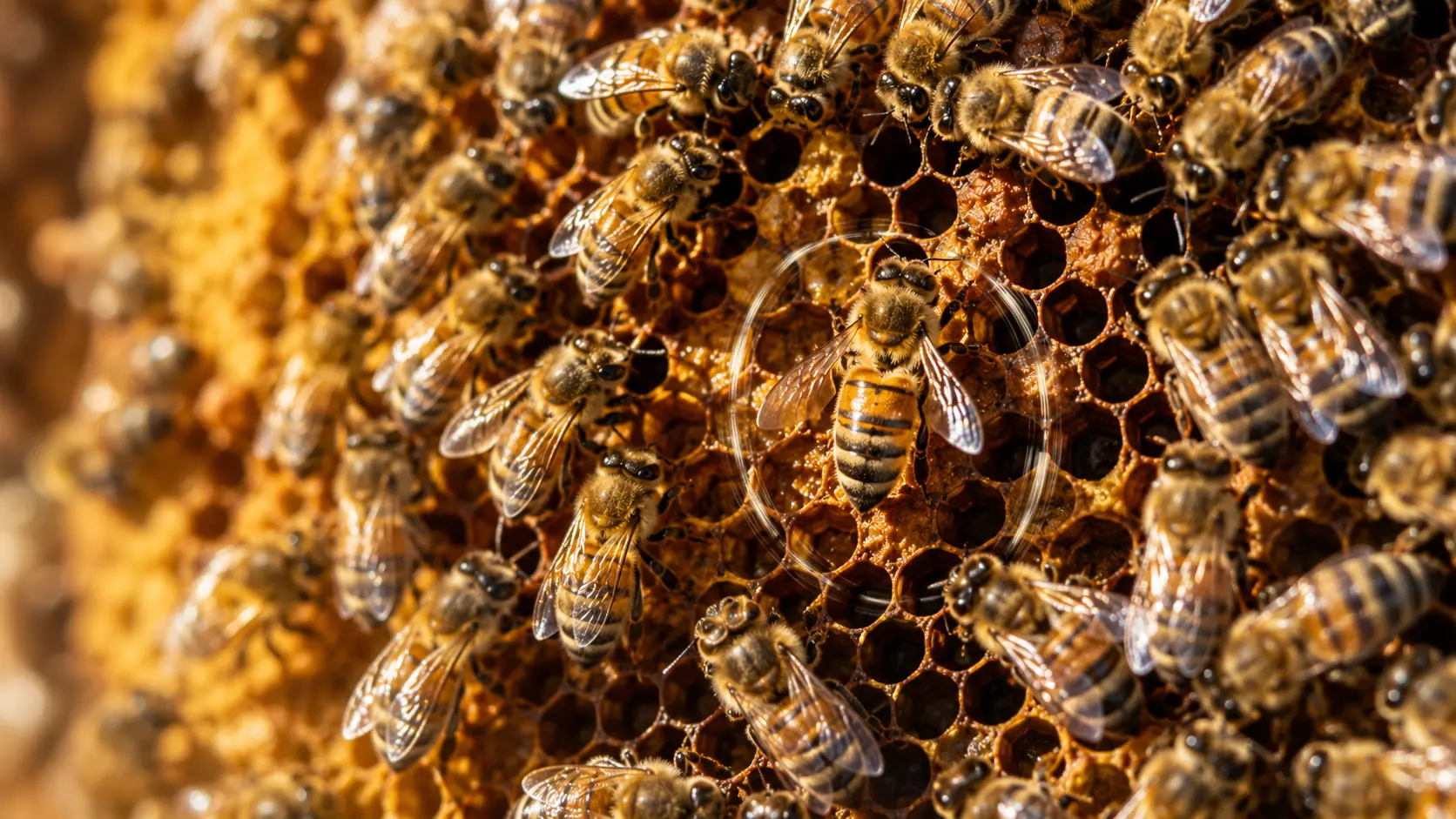
While many pollinators contribute to agriculture, honeybees are among the most important managed pollinators in the world.
Honeybees live in large colonies that can contain tens of thousands of workers. Their social structure allows beekeepers to transport colonies to areas where crops need pollination services.
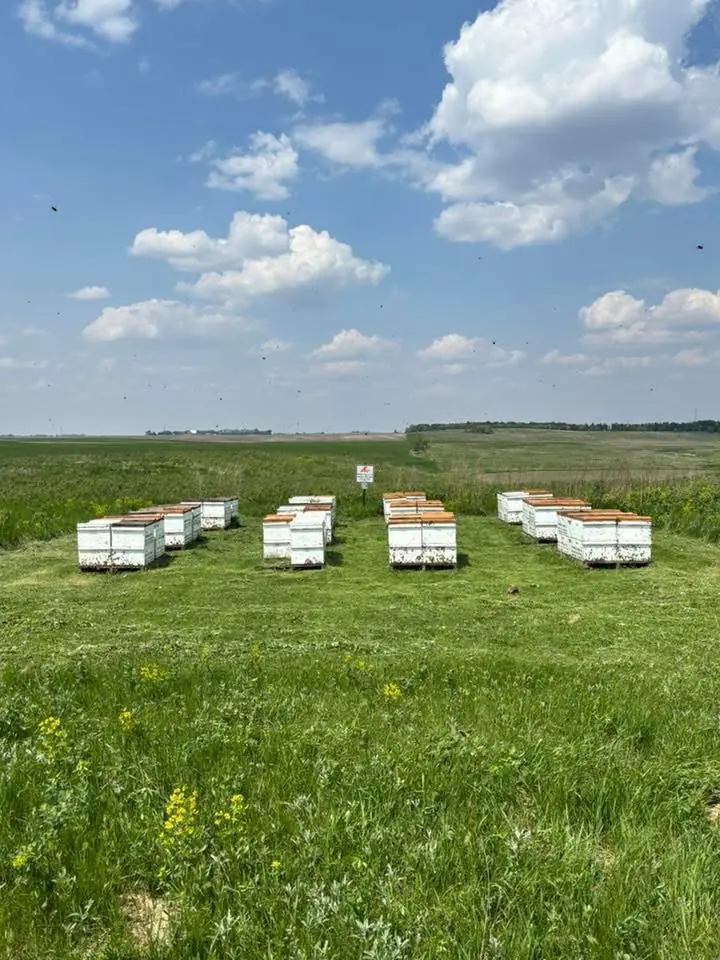
Every year, commercial beekeepers move millions of honeybee colonies to pollinate crops across the United States.
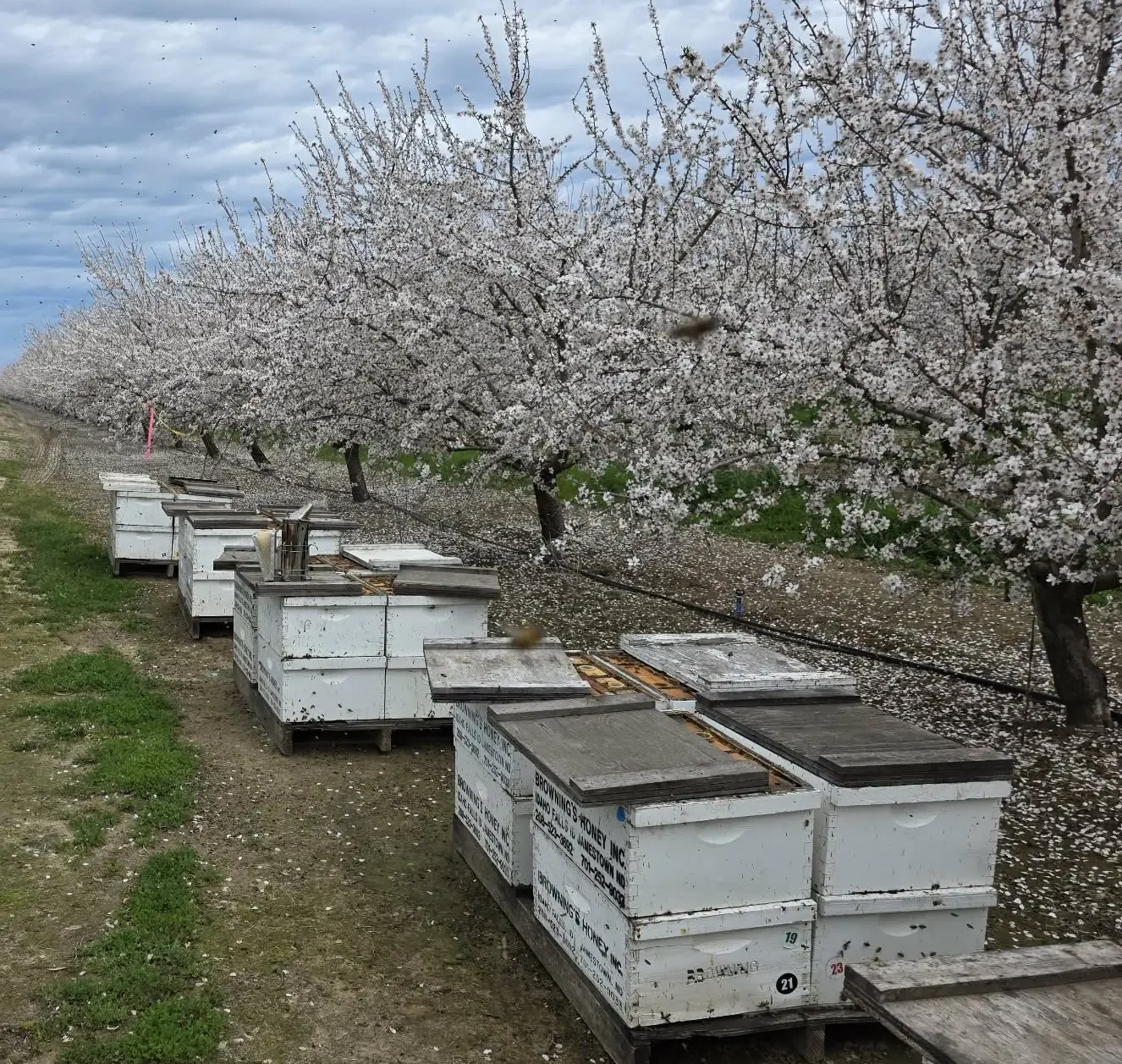
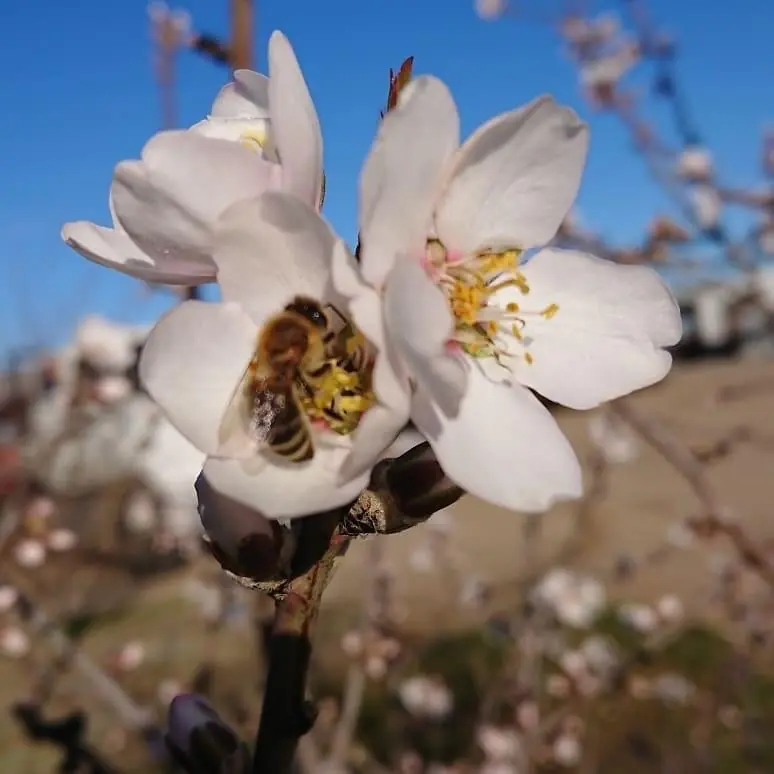
One of the most visible examples is California’s almond industry. Every February, honeybees from across the country are brought into almond orchards to pollinate trees during bloom. Without honeybees, commercial almond production on its current scale would not be possible.
After almonds, many colonies continue pollinating additional crops such as:
The value honeybees provide through pollination services far exceeds the value of the honey they produce.
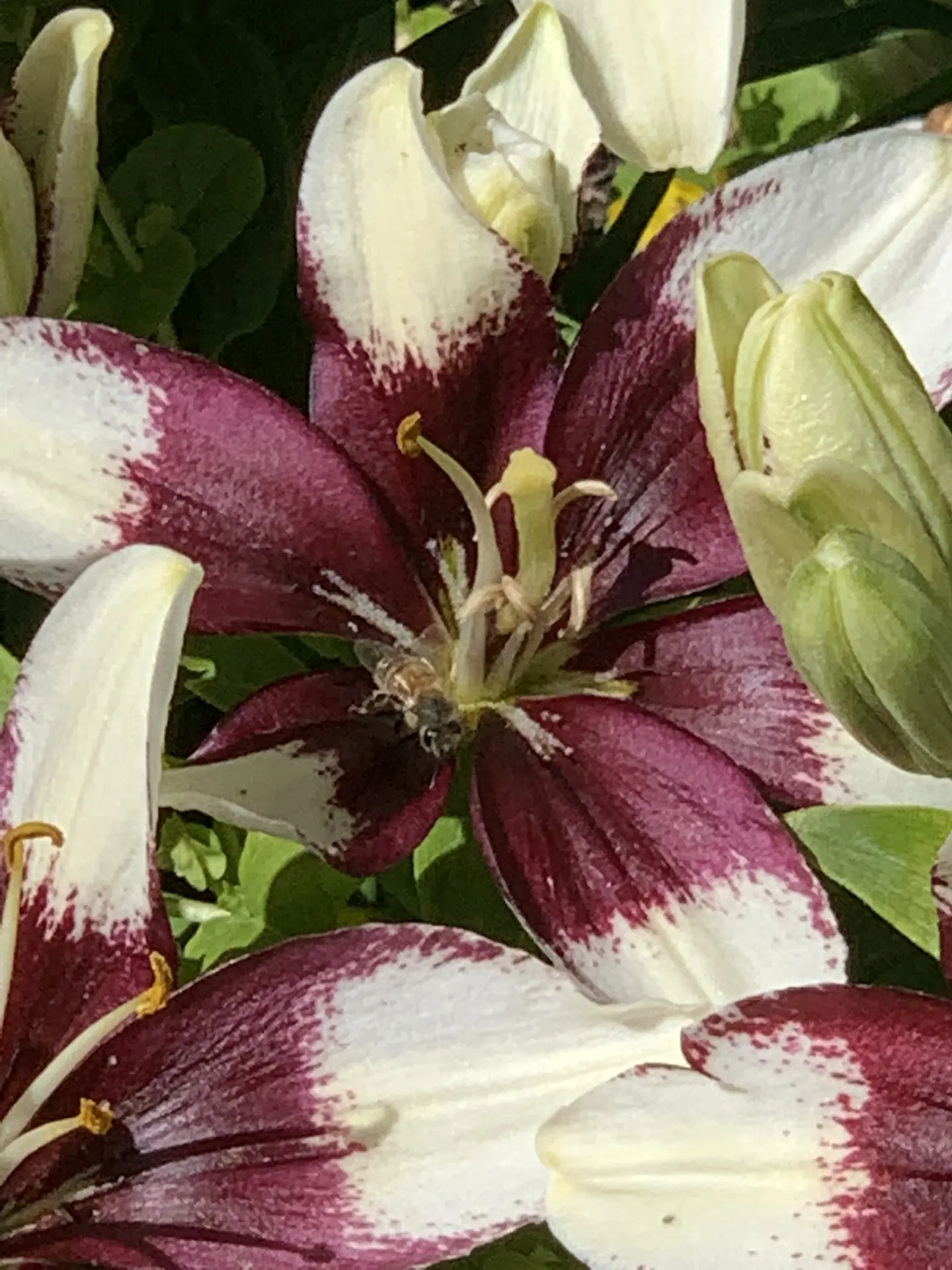
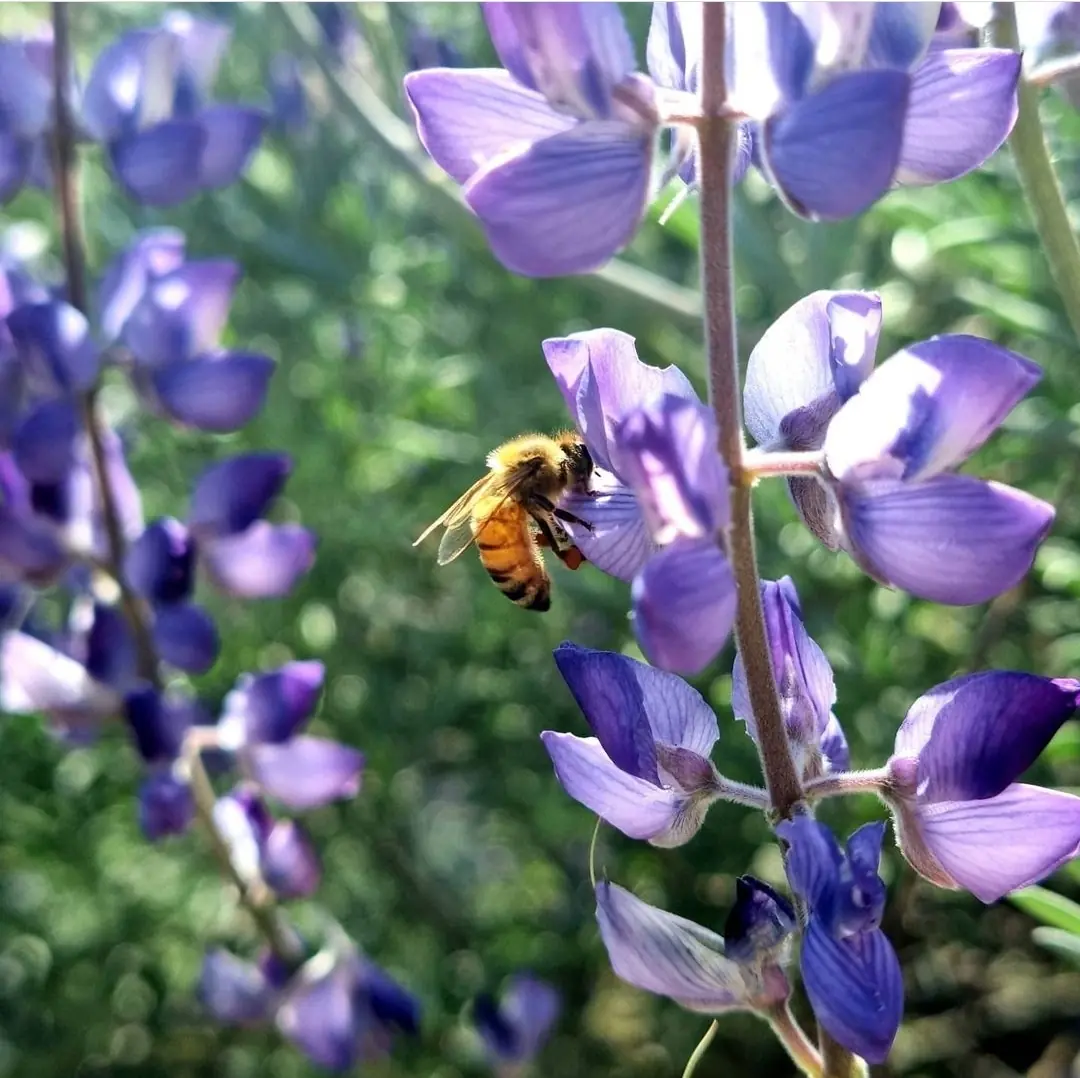
Honeybees visit flowers primarily to collect nectar and pollen.
Nectar serves as a carbohydrate source and is eventually transformed into honey. Pollen provides protein that helps feed developing bees inside the hive.
As worker bees move between flowers, pollen sticks to the tiny hairs covering their bodies. When they visit another flower, some of that pollen is transferred, completing the pollination process.
A single honeybee may visit hundreds of flowers during a foraging trip and thousands throughout its lifetime.
Now imagine tens of thousands of bees working from a single hive every day. The impact is extraordinary.
Pollination isn’t only important for agriculture.
Wild plants depend on pollinators to reproduce and maintain healthy ecosystems. These plants provide food and shelter for birds, wildlife, and countless other species.
When pollinator populations decline, entire ecosystems can be affected.
Healthy pollinator populations help:
Protecting pollinators means protecting the broader environment.
Despite their importance, pollinators face several ongoing challenges.
As land is developed, natural flowering habitats often disappear. Pollinators need diverse sources of nectar and pollen throughout the growing season.
Honeybees face numerous threats, including viruses and parasites such as the notorious Varroa destructor. Managing these challenges requires constant attention from beekeepers.
When pesticides are improperly applied, pollinators can be harmed directly or indirectly through contaminated forage.
Drought, excessive rain, late frosts, and unusually warm winters can all affect flowering plants and pollinator health.
Commercial beekeepers spend countless hours monitoring colonies, managing health issues, and helping bees overcome these challenges.
The good news is that everyone can make a difference.
Choose a variety of flowers that bloom throughout the season. Native plants are especially valuable because local pollinators evolved alongside them.
Use pesticides only when necessary and follow label directions carefully. Avoid spraying flowering plants when pollinators are actively foraging.
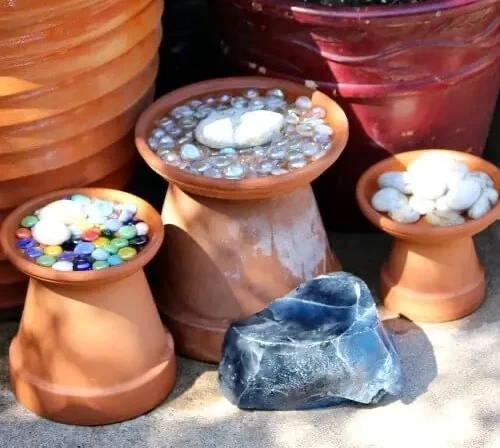
A shallow water source with stones or pebbles gives bees a safe place to land and drink.
Not every corner of your yard needs to be perfectly manicured. Small patches of natural habitat can provide valuable food and shelter.
Purchasing local honey helps support beekeepers who maintain healthy honeybee colonies and provide essential pollination services.
Not every corner of your yard needs to be perfectly manicured. Small patches of natural habitat can provide valuable food and shelter for pollinators.
At Browning’s Honey, Pollinator Month is more than a calendar observance—it’s a reminder of the incredible partnership between honeybees, agriculture, and the people who care for them.
Every jar of honey represents thousands of hours of work by honeybees visiting millions of flowers. Behind that honey is an even larger story of pollination, food production, and environmental stewardship.
As beekeepers, we’re grateful for the opportunity to work alongside these remarkable insects. Their contribution to our food system is impossible to overstate.
This June, we encourage you to take a moment to appreciate the pollinators around you. Whether it’s a honeybee visiting a clover blossom, a butterfly floating through your garden, or a hummingbird stopping by your flowers, each pollinator is helping sustain the world we share.
Together, we can ensure that future generations continue to enjoy healthy crops, beautiful landscapes, and the sweet rewards that pollinators make possible.
Stop by our shop or visit us online to explore our full lineup of raw, unfiltered honey, cream honey, and seasonal favorites.
Because when you support local beekeepers, you’re supporting healthy bees, strong agriculture, and a tradition that’s been passed down for generations.
📍 9019 N 5th E
📍 1475 S. Holmes Ave
🌐 https://browningshoney.com/
A Family Tradition Since 1921
September 24, 2026
August 20, 2026
July 23, 2026
July 16, 2026