
Back to School with Honey: Simple & Delicious Ways to Fuel Busy School Days
September 24, 2026

Browning's Honey
Buy Raw Honey Online
June 11, 2026
When most people think about honeybees, they picture warm summer days filled with blooming flowers and busy bees gathering nectar. What many don’t realize is that honeybees are remarkably resilient creatures capable of surviving everything from scorching summer heat to freezing winter temperatures, strong winds, drought, and even unexpected storms.
As weather patterns become more unpredictable across the country, beekeepers are constantly amazed by the incredible ways honeybees adapt to environmental challenges. While extreme weather can certainly impact a hive’s health and honey production, honeybees have developed fascinating survival strategies over millions of years.
Let’s take a closer look at how bees respond when Mother Nature throws them a curveball.
Summer temperatures in many parts of the country can soar well above 90°F, and the inside of a beehive can become dangerously hot if left unmanaged.
Unlike humans, bees cannot simply turn on an air conditioner. Instead, they work together as a colony to regulate the temperature inside the hive.
When temperatures rise, worker bees begin collecting water from nearby sources. They return to the hive and spread tiny droplets throughout the comb. Other bees then fan their wings rapidly, creating airflow that evaporates the water and cools the hive naturally.
This process works surprisingly well. Honeybee colonies maintain the brood nest—the area where baby bees are developing—at approximately 93-95°F regardless of outside conditions. Keeping this temperature stable is critical because developing larvae are extremely sensitive to heat fluctuations.
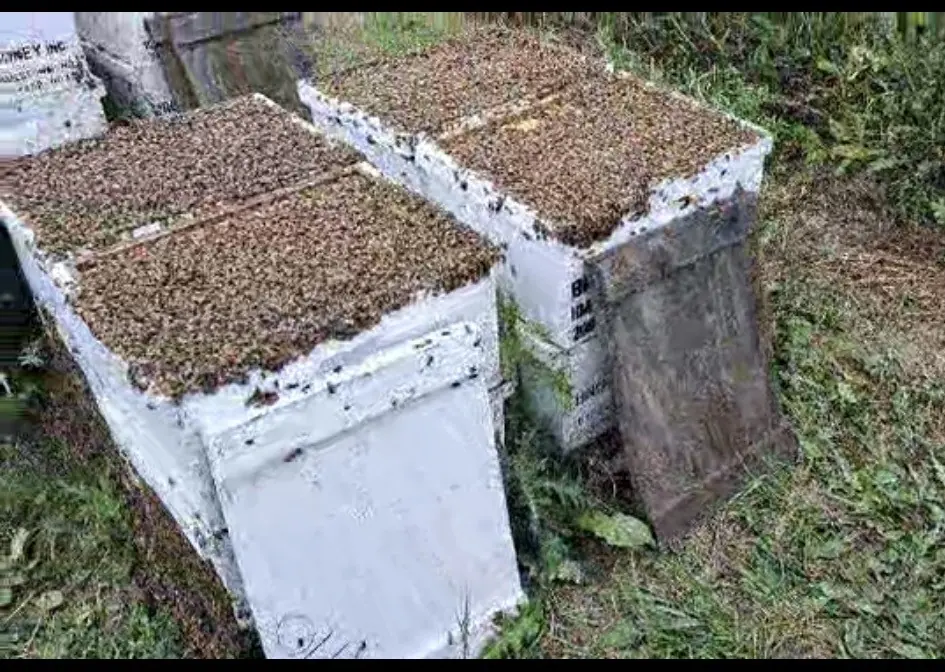
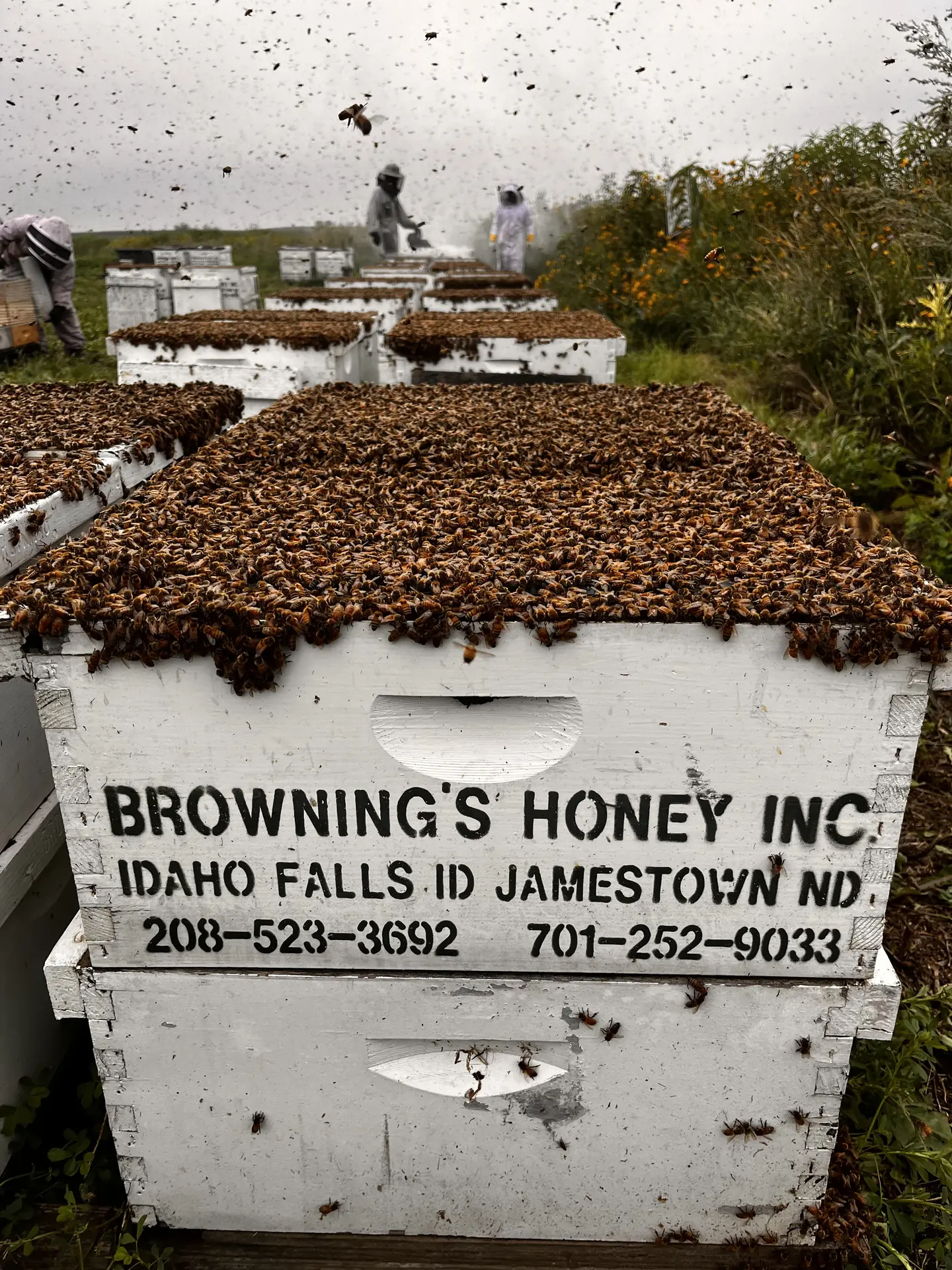
On especially hot days, you may also notice large clusters of bees hanging outside the hive entrance. This behavior, known as “bearding,” helps reduce the number of bees inside the hive, lowering internal temperatures and improving airflow.
One of the most common misconceptions about honeybees is that they hibernate during winter. In reality, honeybees remain active all year long.
As temperatures drop, bees form what beekeepers call a winter cluster. Thousands of bees gather tightly around the queen, creating a living ball of insulation.
The bees on the outer layer act as a protective shell, while bees inside the cluster vibrate their flight muscles to generate heat. By continually rotating positions, all members of the colony share the workload.
Even when outside temperatures fall below freezing, the center of the cluster can remain near 90°F.
The fuel that powers this remarkable heating system is honey.
Throughout spring and summer, bees work tirelessly to store honey specifically for winter survival. Every drop represents energy that will help sustain the colony through months when flowers are unavailable.
This is one reason beekeepers carefully monitor honey stores before winter arrives. A healthy colony may consume 60 to 100 pounds of honey before spring returns.
Bees are highly sensitive to changes in atmospheric pressure. In fact, they often know a storm is coming before humans do.
As weather systems approach, foraging bees frequently become more active, gathering nectar and pollen before conditions deteriorate.
Once rain begins, most bees remain safely inside the hive. Flying in heavy rain can damage wings and make navigation difficult. Strong winds can also interfere with a bee’s ability to return home.
Inside the hive, however, life continues as normal. Worker bees care for developing brood, process nectar into honey, and maintain the colony until conditions improve.
After the storm passes, bees quickly resume foraging activities.
While bees can survive heat and cold surprisingly well, prolonged drought presents unique challenges.
Honeybees depend on flowering plants for both nectar and pollen. During drought conditions, many plants produce fewer flowers, less nectar, or stop blooming altogether.
This means bees must travel farther and work harder to find food.
For beekeepers, drought often results in reduced honey production because the bees are using much of what they collect simply to maintain the colony rather than storing excess honey.
Planting pollinator-friendly flowers and providing water sources can help support both managed honeybees and native pollinators during dry periods.
While honeybees are equipped to deal with the changing weather, severe events such as tornadoes and hurricanes can be devastating to both wild and managed colonies.
Strong winds can overturn hives, tear apart equipment, knock down trees containing wild colonies, and scatter bees far from their home. Flooding associated with hurricanes can drown entire colonies if hives are located in low-lying areas.
Similar to their response before thunderstorms, bees may become unusually active as atmospheric pressure changes. They instinctively gather food and return to the hive before dangerous conditions arrive.
If a hive survives the initial storm, the colony still faces challenges afterward. High winds can strip flowers from plants, heavy rain can wash away nectar sources, and flooding can limit access to clean water. In some cases, bees may need weeks or even months to fully recover.
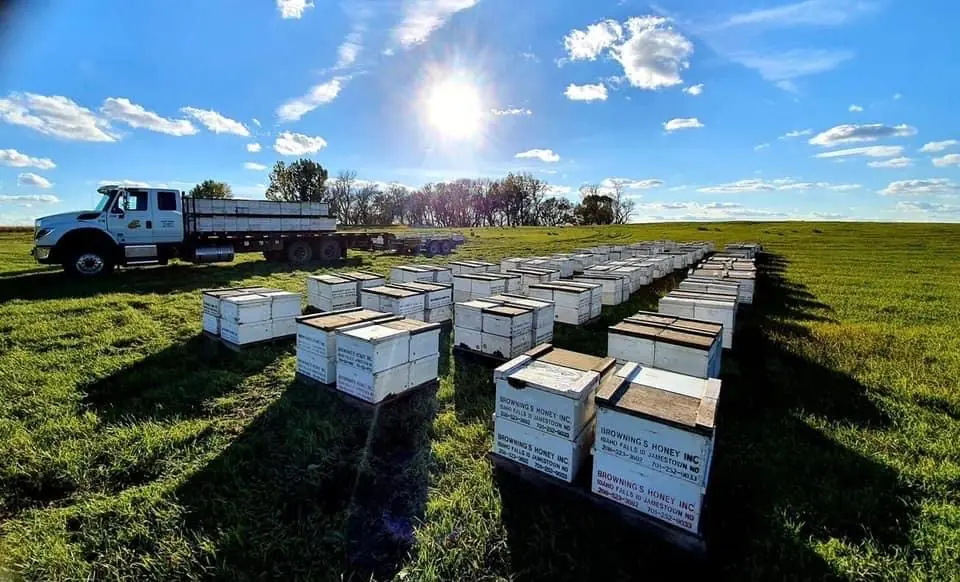
Commercial beekeepers in hurricane-prone regions often take special precautions by strapping hives together, securing them to pallets, or moving colonies out of a storm’s projected path when possible.
Fortunately, honeybee colonies are remarkably resilient. Even after significant losses, surviving colonies can rebuild populations, establish new queens, and resume honey production when favorable conditions return.
Nature has equipped honeybees with an incredible ability to adapt, recover, and keep moving forward—one reason they have survived for millions of years despite countless environmental challenges.
The common theme in all weather-related challenges is colony strength.
A strong hive with a healthy queen, abundant worker bees, and adequate food reserves is far more capable of surviving extreme conditions than a weak colony.
This is why beekeepers spend so much time monitoring hive health throughout the year. Every management decision—from ensuring adequate nutrition to controlling pests and diseases—helps prepare the colony for whatever weather lies ahead.
Healthy bees are resilient bees.
Perhaps the most fascinating aspect of honeybee survival is that no single bee could accomplish these tasks alone.
Temperature regulation, winter clustering, food storage, and colony defense all depend on thousands of bees working together toward a common goal.
Every bee has a job, and every job contributes to the survival of the colony.
It’s a remarkable reminder that some of nature’s greatest achievements come from cooperation and teamwork.
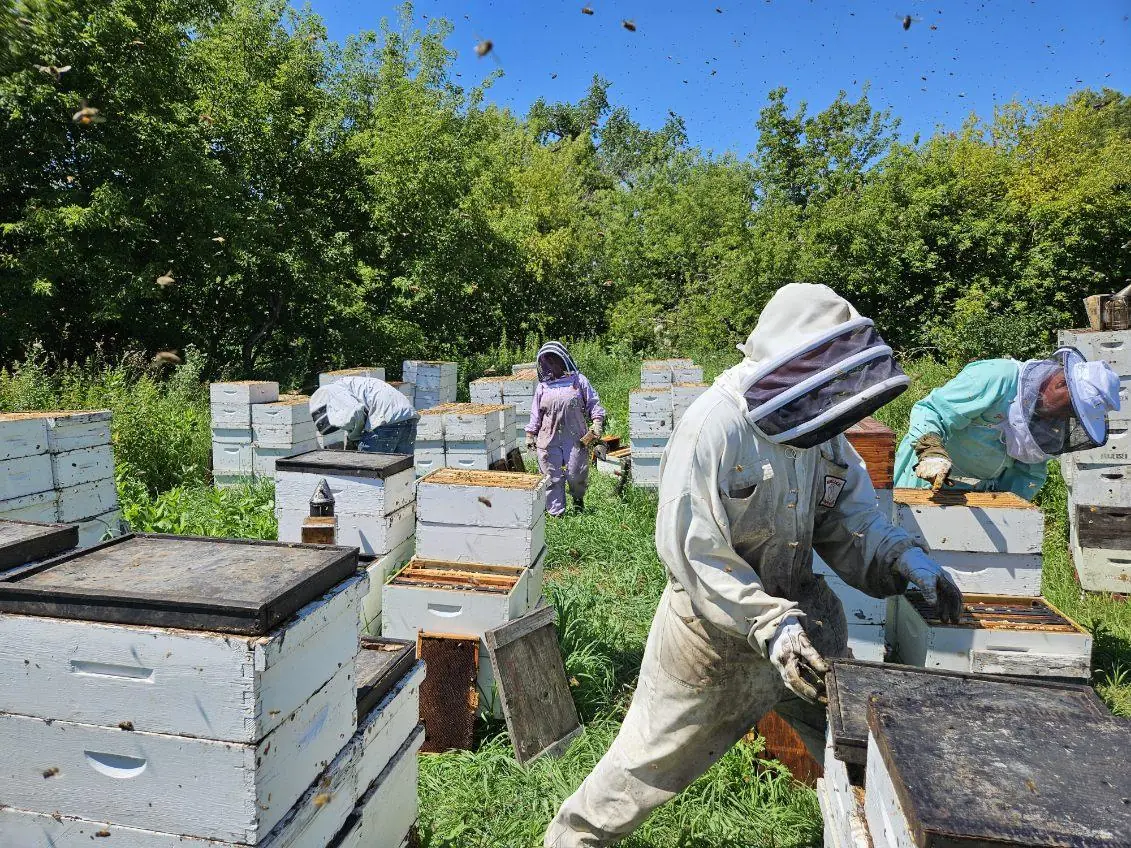
While bees are incredibly resourceful, beekeepers play an important supporting role.
Depending on the season, beekeepers may:
These management practices help give bees the best chance to thrive through challenging conditions.
Every jar of honey tells a story.
It represents thousands of foraging trips, careful hive management, and a colony’s ability to survive everything from scorching summer heat and harsh winters to drought, storms, and even severe weather events. Through it all, honeybees continue their important work—pollinating crops, supporting ecosystems, and producing one of nature’s most remarkable foods.
At Browning’s Honey, our bees work through Idaho’s changing seasons to produce the pure, natural, raw honey we proudly share with our customers. We carefully manage our colonies year-round, helping them thrive through whatever weather comes their way.
When you choose locally produced honey, you’re not only bringing home a delicious natural sweetener—you’re supporting the beekeepers who care for these amazing pollinators and helping ensure healthy bee populations for future generations.
Whether you’re stocking your pantry, sweetening your morning tea, baking a favorite family recipe, or looking for a thoughtful gift, every purchase helps support the hardworking bees behind each jar.
Because behind every spoonful of honey is a story of resilience, teamwork, and the extraordinary abilities of the honeybee.
Stop by our shop or visit us online to explore our full lineup of raw, unfiltered honey, cream honey, and seasonal favorites.
Because when you support local beekeepers, you’re supporting healthy bees, strong agriculture, and a tradition that’s been passed down for generations.
A Family Tradition Since 1921
September 24, 2026
August 20, 2026
July 23, 2026
July 16, 2026