FREE SHIPPING ON ORDERS $20 AND OVER

CALL 208-516-2263

brownings honey logo

Browning's Honey

Buy Raw Honey Online

×
  • Honey Shop
    • Classic Honey
    • Clover Honey
    • Creamed Honey
    • Flavored Honey
    • Beeswax Blocks
  • Our Apiary
  • Benefits of Honey
  • The Buzz
    • Blogs
    • FAQs
    • Upcoming Events
    • Honey Facts, Tips, And Recipes
    • Kid’s Corner
  • Gift Shop
  • Contact Us
    • Refund and Returns Policy

Table of Contents

  • Why Does Honey Crystallize?
  • Is Crystallized Honey Safe to Eat?
  • How to Fix Crystallized Honey
    • How to Prevent Honey from Crystallizing
    • Ways to Use Crystallized Honey
    • Does Honey Go Bad?
    • Embrace the Natural Process
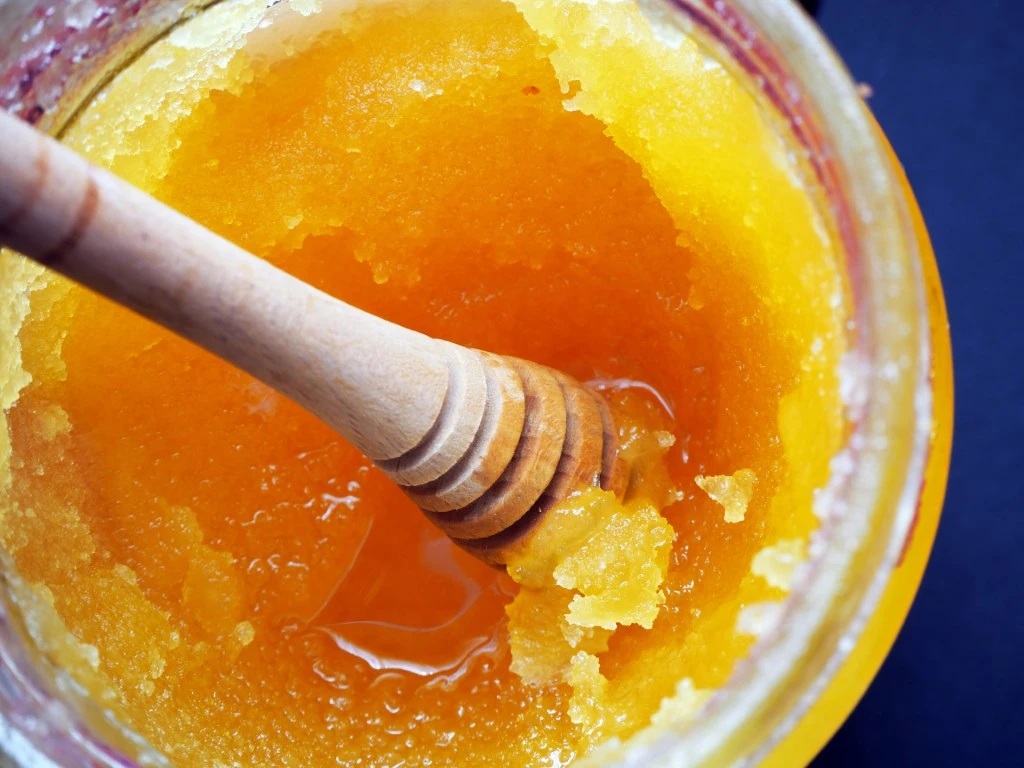
    crystallized honey

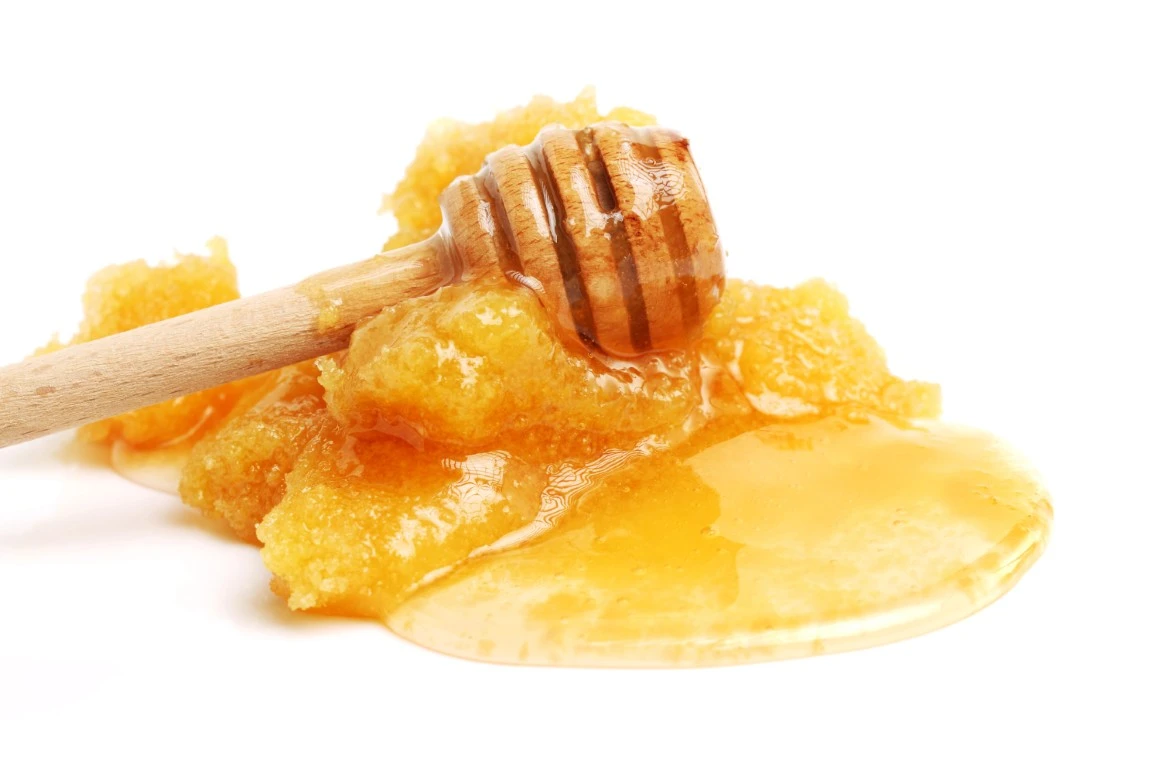
    If you’ve ever opened a jar of honey and found a thick, grainy, or completely solid mass, you might have wondered if it’s gone bad. Fortunately, crystallized honey is completely natural and often a sign of high-quality, raw honey. Below, we’ll explain why honey crystallizes, how to store it properly, and how to restore it back to its smooth, golden state when needed.


    Why Does Honey Crystallize?

    Honey is a supersaturated sugar solution that consists of 18% water and 70% glucose and fructose. While it appears stable in liquid form, it’s actually in a delicate balance that can shift over time. 

    Here’s what causes crystallization:

    Glucose Vs. Fructose Ratio — Glucose has a lower solubility than fructose, so it separates and creates crystals first. Honey that is higher in glucose, like clover or alfalfa, crystallizes faster, while honey that is higher in fructose, like acacia, stays liquid longer.

    Presence of Natural Particles — Tiny particles like pollen, beeswax, and air bubbles act as seeds that give glucose something to cling to. That starts the crystallization process. This is why raw, unfiltered honey often crystallizes more quickly than highly processed honey.

    Temperature — Honey crystallizes rapidly when stored or exposed to temperatures between 50-59°F. Cooler storage environments speed up the process, while warmer temperatures slow it down. 

    Moisture Content — Lower moisture levels make honey more prone to crystallization. High-quality honey typically has low water content, which contributes to its tendency to solidify over time.

    Is Crystallized Honey Safe to Eat?

    Crystallized honey is just as safe and nutritious as liquid honey. It still retains all its natural enzymes, antioxidants, and antibacterial properties. Some people even prefer the texture for cooking and baking.

    How to Fix Crystallized Honey

    If you prefer your honey smooth and pourable, you can easily return it to liquid form with gentle heat.

    Method 1: Warm Water Bath (Best Option)

    Fill a bowl or pot with warm (not boiling) water, and place the honey jar inside. Let it sit, stirring occasionally, until the crystals are completely dissolved. Keep the temperature below 110°F to preserve honey’s natural nutrients. 

    Method 2: Low Heat on the Stove
    Our Apiary Browning's Honey

    Place honey in a heat-safe container and warm it gently over low heat. Stir frequently and avoid overheating, as this can ruin the honey’s delicate flavor. 

    Method 3: Warm Oven 

    Place honey in a heat-safe container on a cookie sheet and set it in a warm oven. Keep the temperature under 140°F and stir occasionally. 

    How to Prevent Honey from Crystallizing

    While crystallization is inevitable over time, you can slow it down with proper storage:

    • Store at room temperature (around 70°F)
    • Keep the lid tightly sealed to prevent moisture absorption
    • Avoid refrigeration, as this can speed up crystallization 
    • Use clean utensils to prevent introducing particles 

    Ways to Use Crystallized Honey

    If you’re interested in using your honey in its solid form, here are some simple uses:

    Make Creamed/Whipped Honey — Use a stand mixer to whip the crystallized honey. After 20 to 30 minutes, it should turn into a light, spreadable cream.

    Use as a Spread — Due to its thick texture, this honey can be used as a spread on toast, biscuits, or cornbread. 

    Add to Hot Drinks — The heat from tea or coffee will melt the crystals, giving you a quick, natural sweetener. 

    Use as a Glaze — Use crystallized honey as a glaze on vegetables, fish, or meat, or when making a stir-fry. 

    Substitute in Baking — Use it as a direct substitute for liquid honey in your favorite recipes. 

    Does Honey Go Bad?
    crystallized honey

    Pure, properly stored honey doesn’t expire but actually lasts for decades or even centuries due to its low moisture content and acidic pH. It may change color, become cloudy, or solidify over time, but it can still be consumed safely. 

    If honey is not stored properly or contaminated with moisture, it will ferment and give off a sour smell. It may also form bubbles or foam. 

    Embrace the Natural Process

    Crystallization doesn’t mean your honey has gone bad. It means you have a raw, natural, and high-quality product. Ultra-processed honey is often heated and filtered to delay this process, which can reduce some of its beneficial properties. 

    Next time your honey turns grainy or solid, don’t toss it out. With a little warmth and patience, you can bring it back to life. 
    Filed Under: Honey

    Table of Contents

    • What Is Beeswax?
    • How Beeswax Is Collected
    • Uses of Beeswax
    • Benefits of Beeswax
    • Tips for Using Beeswax
    • Fun Facts About Beeswax
    • Beeswax: An All-Natural Alternative 
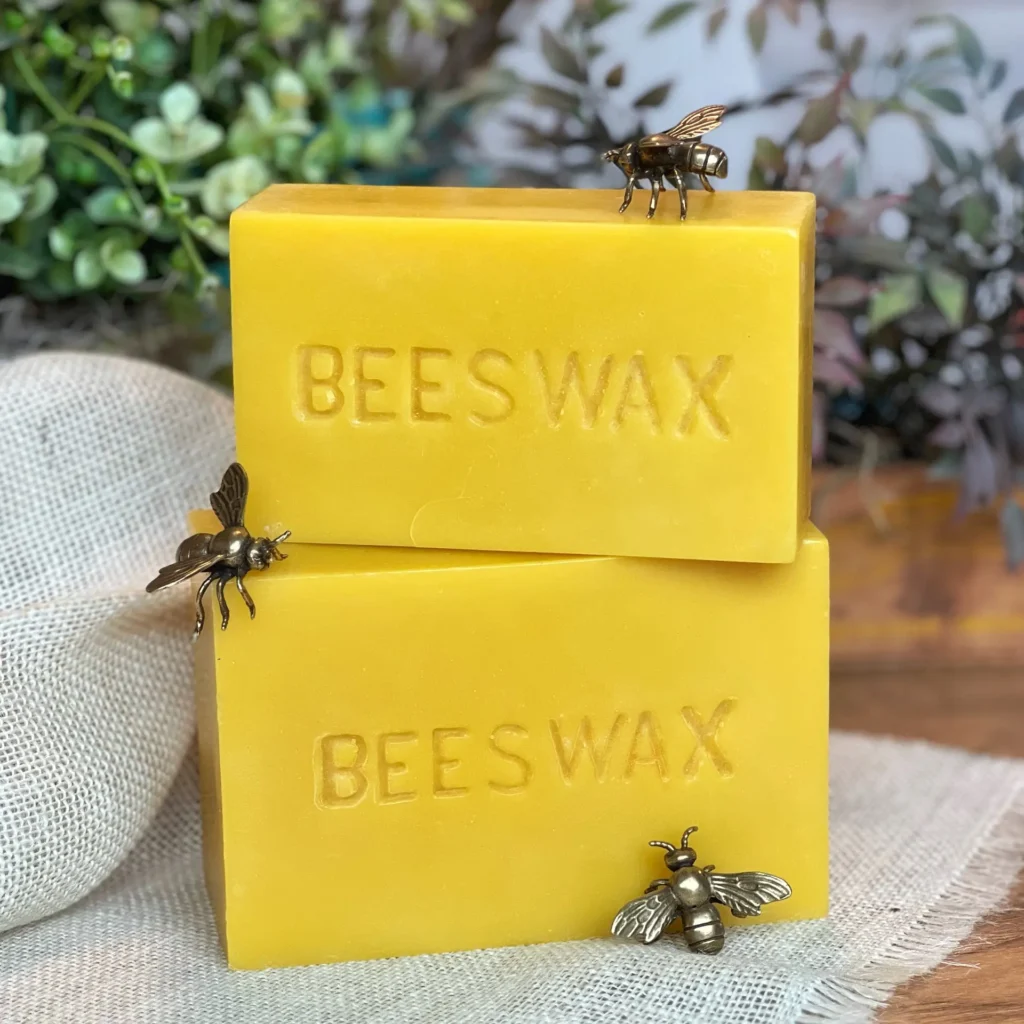
    Idaho Falls Idaho Beeswax

    Beeswax has been used for thousands of years in everything from candles to cosmetics. This versatile substance is produced by bees and contains many fascinating properties. Whether you’re a new beekeeper, DIY enthusiast, or just curious, learning about beeswax can open up a new world of natural solutions.  

    What Is Beeswax?

    Beeswax is a natural wax (primarily composed of fat) produced by worker honey bees in the genus Apis. The bees secrete it as tiny flakes from special glands on their abdomen, then chew and mold it to build honeycomb structures, which store honey and house their larvae. Honeycomb is considered one of the most efficient shapes in nature, maximizing space while using minimal material. 

    Bees produce this wax when they are about 12 to 20 days old, and it is estimated to take about six to eight pounds of honey to produce a single pound of beeswax. 

    When wax is first produced, it’s a soft, white or yellow substance. As it cools, it hardens, making it ideal for crafting, sealing, and protecting. 

    How Beeswax Is Collected

    Beekeepers carefully remove frames of honeycomb from the hive. The best, cleanest wax comes from cappings — the thin wax layer bees create to seal honeycomb cells.  The honeycomb is heated to melt and separate the wax from the honey and other impurities. 

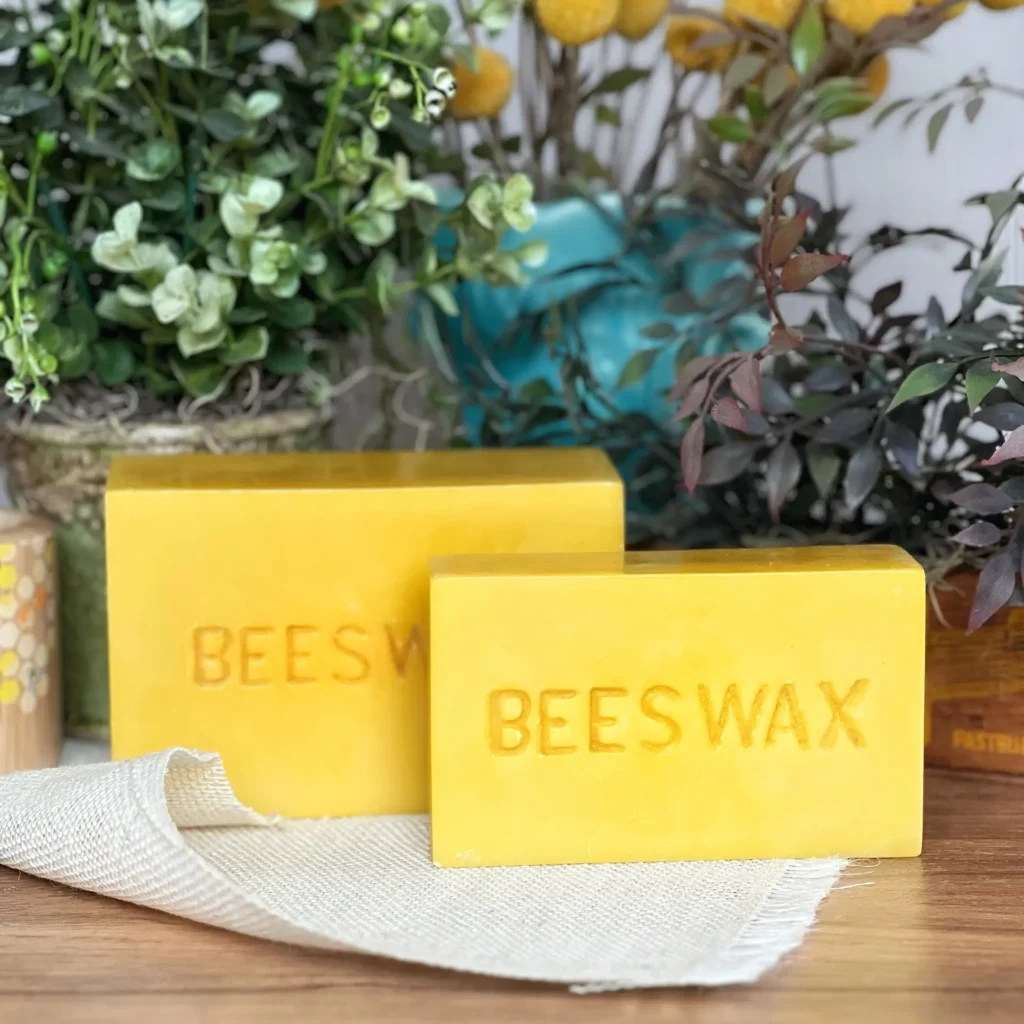
    The melted wax is strained through a filter, such as a cheesecloth or fine wire mesh, to remove debris, pollen, and dead bees. The filtered wax is then poured into molds or blocks for storage and use. As it cools, the clean wax floats to the top, allowing any dirt to be scraped off the bottom. 

    This process ensures that the wax retains its natural beneficial properties while being ready for a variety of applications. 

    Beeswax 101: Uses, Benefits & How It’s Collected

    Uses of Beeswax

    Beeswax has a wide range of practical and creative uses:

    Candles — Use beeswax candles if want something that burns longer, brighter, and cleaner than paraffin candles. 

    Cosmetics & Skincare — Use beeswax in lip balms, creams, lotions, and salves. This natural substance has moisturizing and protective properties and is often paired with coconut oil or shea butter. 

    Food Wraps & Storage — Coat cloths in beeswax for a reusable, eco-friendly alternative to plastic. You can use these cloths to wrap cheese and vegetables. 

    Polishes & Lubricants — Use beeswax in furniture and shoe polish, and even to lubricate drawer slides, windows, or sewing threads. 

    Crafts & DIY Projects — Mix beeswax with other oils and pigments to make crayons, encaustic paint, modeling clay, and craft soaps.

    Health & Wellness — Create a salve to heal cuts, apply as an acne treatment, or eat it to help lower your cholesterol.

    Benefits of Beeswax

    Natural & Non-Toxic — This wax is biodegradable and safe for the environment and personal use. 

    Moisturizing — It creates a protective barrier for skin against environmental irritants without clogging pores. 

    Antibacterial — This wax can soothe irritated skin, ease symptoms of eczema and psoriasis, and prevent minor infections due to its anti-inflammatory and antibacterial properties. 

    Healing — This natural wax is rich in vitamin A, so it can help with collagen production and reduce the appearance of stretch marks, scars, and acne. 

    Long-Lasting — Beeswax is highly durable, whether used in candles, cosmetics, or household products.

    Sustainable — Beeswax is a byproduct of responsible beekeeping. Using it supports both bees and ecosystems. 

    Beeswax is a great option for those who want a sustainable, gentle, natural, and long-lasting product they can use every day.

    Tips for Using Beeswax

    You should always store beeswax in a cool, dry place away from direct sunlight to prevent discoloration. If making your own products, clearly label containers with a list of ingredients and the date of creation. 

    Idaho Falls Idaho Beeswax

    When melting wax, use a double boiler to prevent burning, as it can scorch if heated over 200°F. When using for skincare or crafting, mix it with oils or butters. Test a small area of skin first if using for cosmetics to check for sensitivity. 

    Fun Facts About Beeswax

    • Beeswax has been found in scientific Egyptian tombs, still intact after thousands of years. 
    • It was historically used to seal letters and documents. 
    • Beeswax candles emit a subtle honey aroma when lit and may help purify indoor air.
    • It naturally resists water, making it useful for waterproofing.

    Beeswax: An All-Natural Alternative 

    Beeswax may be a byproduct of honey production, but it has countless applications. From health and beauty to household projects and crafts, it works as a natural alternative to many synthetic products. If you want to be more eco-friendly, creative, and self-sufficient, buy some beeswax today at Browning’s Honey. 

    Filed Under: Honey

    Table of Contents

    • Why Pollinators are Important 
    • Start with the Basics: What Are Bees?
    • Teach Respectful Observation
    • Create a Pollinator-Friendly Garden
    • Practice Bee Safety
    • Make Learning Fun
    • Encourage Curiosity and Care
    • Understanding the Difference Between Bees (and Why It Matters)
    • Teach Your Kids the Importance of Pollinators 
    Kids & Bees: Safe Ways to Teach Children About Pollinators

    Introducing children to bees and other pollinators can get them curious about nature, science, and environmental stewardship. While bees sometimes get a bad reputation due to their ability to sting, they play a crucial role in the ecosystem. With the right approach, children can learn not to fear bees but appreciate them safely. 

    Why Pollinators are Important 

    Pollinators like bees, butterflies, and hummingbirds help plants reproduce by transferring pollen from one flowering plant to another. This process supports the growth of fruits, vegetables, nuts, and seeds. In fact, most of the food we eat depends on pollination, making these tiny creatures essential to our daily lives. 

    Teaching kids about pollinators helps them understand where food comes from, the importance of biodiversity, and how small actions can impact the environment.

    Start with the Basics: What Are Bees?

    Before heading outside, explain to your children what bees are and how they behave. Focus on simple, reassuring facts. Explain that bees are usually not aggressive unless they feel threatened, and they are busy collecting nectar and pollen, not looking to sting. Describe the types of bees and reassure them that most species are gentle. 

    You can introduce concepts through books, videos, or even fun crafts like building paper flowers and “pollinating” them with cotton swabs. 

    Teach Respectful Observation

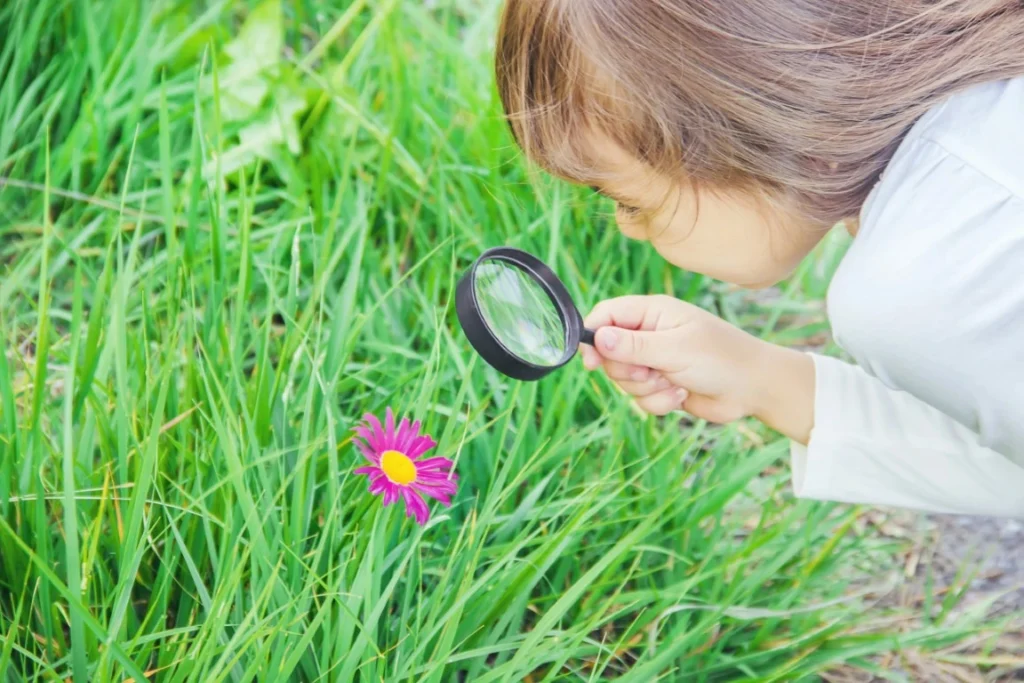
    You can safely and effectively introduce kids to bees by encouraging observation from a distance. 

    When watching bees, explain to kids that they should remain calm and move slowly, avoid swatting or making sudden movements, and watch bees on flowers rather than near hives. You should also encourage them to wear light-colored clothing when outdoors. 

    Turning observation into a game, like counting how many bees visit a single flower, can keep kids engaged while reinforcing safe behavior. 

    Create a Pollinator-Friendly Garden

    Hands-on learning leaves a lasting impression. Planting a small garden with your kids can help attract pollinators and give kids a front-row seat to nature. 

    How Do Bees Make Honey

    Plant bright flowers like sunflowers, zinnias, and lavender, herbs such as mint, thyme, and basil, and native plants that naturally attract local pollinators. Let kids help with watering and track which plants attract the most bees. This builds responsibility and excitement about the environment. 

    If you can’t plant your own garden, consider visiting a local garden or natural center and observing the local pollinators. 

    Practice Bee Safety

    While bees rarely sting when you take the proper precautions, kids should still understand what to do and not to do around these creatures. Teach them to never disturb a hive or nest or walk barefoot in grassy areas where bees may forage. Teach them to also keep food and drinks covered outdoors and stay still or move away slowly if a bee comes close. 

    Make Learning Fun

    You can also explain to children what a sting feels like and reassure them that it’s usually temporary. Families with allergies should take extra precautions and follow medical guidance.  

    Incorporate creative and interactive activities to deepen understanding. Consider building a simple “bee hotel” for solitary bees, creating bee-themed art projects, acting out the pollination process as a game, or tasting different types of honey and explaining how bees make it.

    These activities help kids connect learning with fun, making the experience more enjoyable. 

    Encourage Curiosity and Care

    When you teach children about pollinators, it helps foster a sense of respect and appreciation. When kids learn how important bees are, they’re more likely to protect them and the environment as a whole. 

    Encourage questions like:

    • “Why do bees visit certain flowers?”
    • “What would happen if bees disappeared?”
    • “How can we help pollinators thrive?”

    Understanding the Difference Between Bees (and Why It Matters)

    Kids often confuse all flying insects with bees. Teaching the differences between pollinators can reduce fear and build confidence. 

    Honey Bees — Honey bees are gentle, social, and live in hives. They are also important for agriculture. 

    Bumblebees — Bumblebees are larger and fuzzier. They are excellent pollinators and rarely sting. 

    Kid's Corner

    Solitary Bees (like Mason Bees) — These bees live alone and are great for gardens. They are typically non-aggressive unless provoked. 

    Wasps vs. Bees — Wasps are more aggressive and less fuzzy. 

    Helping kids recognize these differences can help them navigate the outdoors with more confidence and less fear. 

    Teach Your Kids the Importance of Pollinators 

    Bees may be small, but they have a huge impact on our world. By teaching children safe, positive ways to interact with pollinators, you can help raise a generation that values and protects the natural world. With a mix of education, hands-on activities, and simple safety practices, kids can develop a lifelong appreciation of these essential creatures.

    Filed Under: Honey

    • 1
    • 2
    • 3
    • …
    • 12
    • Next Page »
    Shop Online

    Locations

    9019 N 5 E
    Idaho Falls, Idaho 83401

    1475 S Holmes Ave.
    Idaho Falls, ID 83404
    (On S Holmes between 14th and 15th Street)

    208-516-2263

    Menu

    • Honey Shop
    • Our Apiary
    • Benefits of Honey
    • The Buzz
    • Gift Shop
    • Contact Us

    Hours

    Monday 9:00 AM - 5:00 PM
    Tuesday 9:00 AM - 5:00 PM
    Wednesday 9:00 AM - 5:00 PM
    Thursday 9:00 AM - 5:00 PM
    Friday 9:00 AM - 5:00 PM
    Saturday 10:00 AM - 4:00 PM
    Sunday CLOSED

    Refund & Returns Policy

    Refund & Returns Policy

    Browning’s Honey

    © 2026 Browning's Honey | All Rights Reserved | Privacy Policy | Terms | XML Sitemap | Sitemap | Accessibility | Anti Discrimination | Site by PDM

    Your cart (items: 0)

    Products in cart

    Product Details Total
    Subtotal $0.00
    Shipping, taxes, and discounts calculated at checkout.
    View my cart
    Go to checkout

    Your cart is currently empty!

    Start shopping

    Notifications