FREE SHIPPING ON ORDERS $20 AND OVER

CALL 208-516-2263

brownings honey logo

Browning's Honey

Buy Raw Honey Online

×

Your cart is currently empty!

  • Honey Shop
    • Classic Honey
    • Clover Honey
    • Creamed Honey
    • Flavored Honey
    • Honey Butter
    • Beeswax Blocks
  • Our Apiary
  • Benefits of Honey
  • The Buzz
    • Blogs
    • FAQs
    • Honey Facts, Tips, And Recipes
    • Kid’s Corner
    • Upcoming Events
  • Gift Shop
  • Contact Us
    • Refund and Returns Policy

Home | Archives for Cynthia Browning | Page 2

Table of Contents

  • Ancient Beginnings
  • The Middle Ages
  • Innovations of the Modern Era
  • Beekeeping Today
  • Does Honey Ever Spoil?
  • Why Beekeeping Matters
  • Beekeeping: An Ancient and Modern Practice 
history of beekeeping

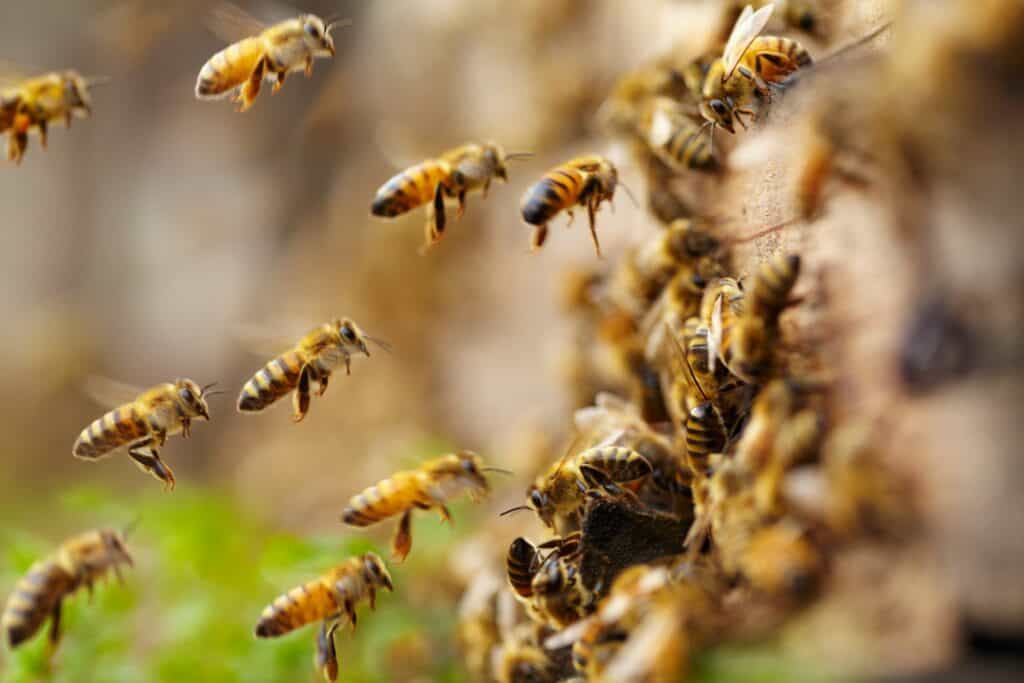
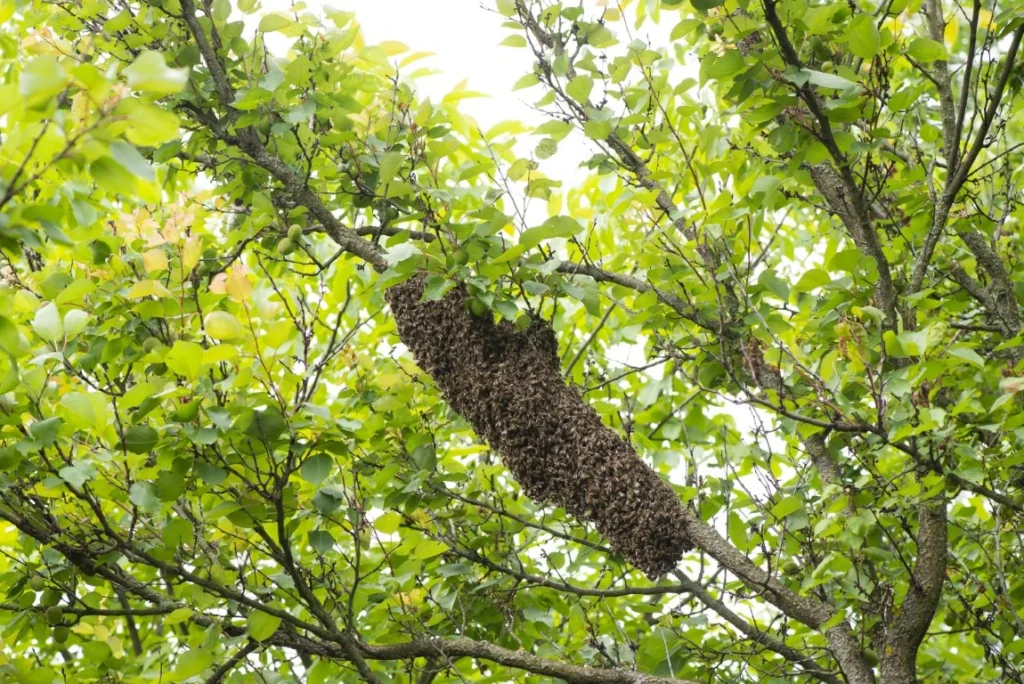
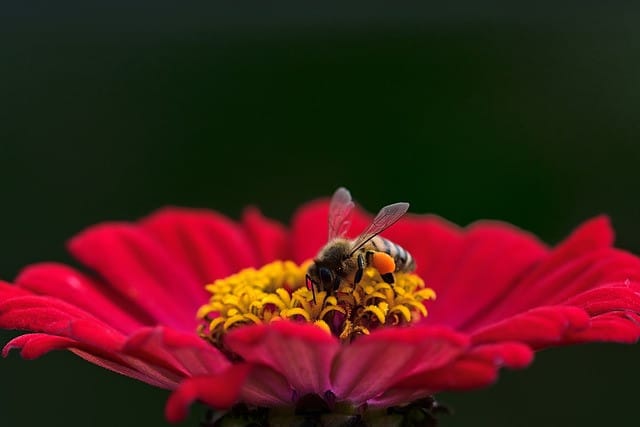
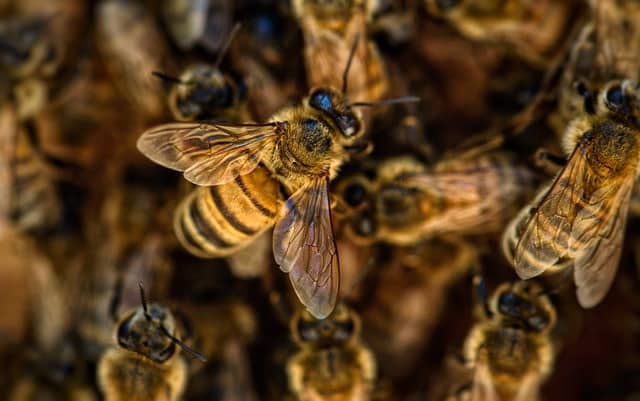
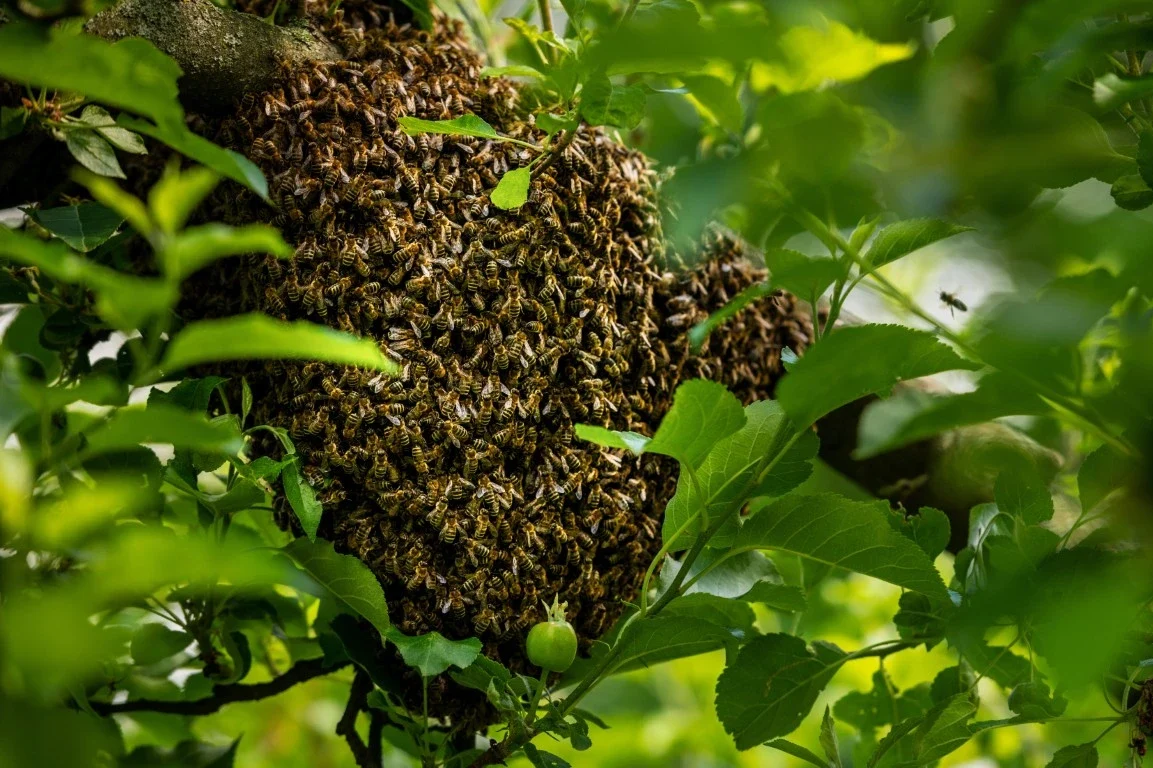
Beekeeping, also known as apiculture, is one of humanity’s oldest agricultural practices. For thousands of years, people have been fascinated by bees, not only for their honey but also for their role in pollination, wax production, and even their symbolic importance. Let’s take a journey through the history of beekeeping and see how this ancient practice evolved into the modern industry we know today. 

Ancient Beginnings

The earliest evidence of humans harvesting honey dates back around 15,000 years ago, in a cave painting found near Valencia, Spain. This painting and similar ones, dating back 9,000 years, depict people gathering honey from wild hives. By around 2400 BCE, Egyptians were keeping bees in clay cylinders, carefully tending to colonies and recording their practices in hieroglyphs. They not only used it as a sweetener but also as a prized offering to gods and pharaohs. Egyptian mythology linked the sun god Ra to the creation of bees. 

Ancient Egyptians would use twigs and reeds to create hives and manage honeybee colonies, and clay vessels to store honey. These vessels were stamped with information about the quality and color. 

In ancient Greece, honey was considered “the food of the gods” and was used for culinary, medicinal, and religious purposes. Ancient Greeks also recognized the value of and used beeswax. Aristoel wrote about bees in detail, noting their complex behavior and the way they lived in organized colonies. Across the ancient world, honey and beeswax held economic, medicinal, and spiritual significance. 

The Middle Ages

During medieval times in Europe, beekeeping became more structured. Monasteries often maintained hives, using beeswax for candles in religious ceremonies. Beekeepers crafted woven skeps, dome-shaped baskets made of straw or wicker, to house bees. While effective, skeps required destroying the colony or suffocating the bees with smoke to harvest honey, which limited long-term sustainability. Europeans also used “log hives,” which were carved and painted and occasionally made into sophisticated human figures. 

During the colonization of the Americas, European honeybees were among the first animals to be shipped with early settlers. It was used instead of highly taxed sugar and as a source of income. Settlers would make candles, lipstick, shoe polish, and mead. 

Innovations of the Modern Era

The 19th century revolutionized beekeeping. In 1851, L. L. (Lorenzo Lorraine) Langstroth, often referred to as the “Father of American Beekeeping,” invented the modern movable-frame hive. This design allowed beekeepers to harvest honey without having to destroy the colony, making apiculture far more sustainable and efficient. 

In the mid-19th century, Italian queens were introduced, which further expanded beekeeping, notably in the American West. In 1865, Franz von Hruschka invented the honey extractor, which allowed honey to be removed without damaging the comb. Other innovations and improved protective gear soon followed. 

Beekeeping Today

Modern beekeeping blends tradition with technology. Today’s hives are designed to maximize bee health and honey production, while also supporting pollination for agriculture worldwide. Beekeepers now face challenges like pesticide exposure, climate change, and colony collapse disorder, which is the mysterious disappearance of most adult worker bees from a honey bee colony. All these challenges make beekeepers’ roles more important than ever.

Does Honey Ever Spoil?

When stored in an airtight container, pure, raw honey will never spoil because of its high sugar content, low moisture and pH levels, and natural enzymes, which create an environment where bacteria and other microorganisms cannot survive. 

The sugar in honey can solidify over time, making it appear cloudy and thick, but this doesn’t mean it’s gone bad. You can warm a jar of honey in a bowl of warm water to return it to a liquid state. It can also darken in color and lose some aroma and flavor if it is high-quality, unpasteurized honey. 

If your honey has mold on the surface or smells sour, it has been exposed to enough moisture and contaminated air to go bad. 

Bee Yard Idaho Falls

Why Beekeeping Matters

From ancient clay hives to modern apiaries, beekeeping has always been about more than just harvesting honey. Bees are vital pollinators for much of the world’s food supply, making beekeeping crucial to global agriculture and ecosystems. By understanding its history, we can better appreciate the deep bond between humans and bees. 

Beekeeping: An Ancient and Modern Practice 

The history of beekeeping is a story of adaptation, innovation, and respect for nature. What began as a simple honey gathering evolved into a vital practice that sustains both the food supply and the planet. As you look ahead, protecting bees and supporting sustainable beekeeping ensures this ancient tradition continues for generations to come. 

Filed Under: Honey

Table of Contents

  • How to Taste Honey Like a Pro
  • Popular Floral Varieties of Honey
  • Pairing Honey with Foods and Drinks
  • Don’t Stick With One Kind of Honey 
guide to different floral varieties of honey

Honey isn’t just a sweetener; it’s a sensory experience. Just like wine or coffee, each type of honey has distinct flavors, aromas, and textures depending on the flowers the bees visit. By learning how to taste honey properly, you can discover a whole new world of flavor notes and pairings that make each variety unique. 

How to Taste Honey Like a Pro

When tasting honey, take your time and focus on your different senses:

Appearance — Observe the color and clarity. Honeys range from almost clear to a deep amber. 

Aroma — Inhale deeply. Some honeys smell floral and light, while others carry earthy or woody notes. 

Texture — Note the feel of the honey. Is it smooth, creamy, velvety, runny, or gritty? Note any signs of crystallization. 

Flavor — When the honey hits your tongue, identify the sweetness levels, subtle floral or earthy undertones, and even hints of spice, fruit, or herbs. 

Finish — Pay attention to the aftertaste. Some varieties leave a quick burst of sweetness, while others linger with complex layers. 

Popular Floral Varieties of Honey

Each floral source offers a unique flavor profile worth exploring:

Clover Honey — Clover honey is mild and sweet in flavor. It’s a staple in most kitchens and a favorite for adding to tea, baking with, and using every day. It is produced in North America and Europe. 

Wildflower Honey — Because of the blend of different blooms, this honey offers a complex and ever-changing taste depending on the season. It works well in tea, smoothies, salad dressings, and marinades. It has antioxidants, enzymes, and amino acids that support immune health. 

Orange Blossom Honey — This honey is light, citrusy, and floral, pairing beautifully with fresh fruit, cheeses, and yogurt. It is also used in natural health remedies and skincare. It is produced primarily in Florida, California, Spain, and Mexico. 

Lavender Honey — Lavender honey is fragrant and aromatic, with a calming floral sweetness. It works well in tea and paired with cheese, as well as a natural remedy for relaxation and stress relief. It is produced in France, Spain, and Italy, where lavender fields are abundant. 

Buckwheat Honey — Buckwheat honey is dark, bold, and malty with hints of molasses. Its thick consistency works well in baked goods, strong drinks such as coffee, and savory dishes for added depth. It is produced primarily in North America, with some in Europe.

Acacia Honey — Acacia honey is light in color, delicately sweet, and slow to crystallize due to the high fructose content. Use this variety to sweeten drinks and drizzle over pancakes, yogurt, or dessert, or in cosmetics or skincare to soothe tired, irritated skin. It is primarily produced in Hungary, Romania, and the United States. 

Eucalyptus Honey — This honey is slightly herbal with cooling notes, offering a refreshing twist. It is often used in teas to relieve coughs, sore throats, and colds, though it also works well in savory dishes and paired with strong cheeses. It is produced in Australia, Spain, and South America. 

Manuka Honey — Manuka honey is rich, earthy, and medicinal, often valued for its health benefits. It is used to heal wounds and soothe sore throats, as well as in smoothies, tea, and baking. It is mainly produced in New Zealand, with some production in Australia. 

Heather Honey — Heather honey is strong and herbal, with a slightly bitter and earthy flavor. It is dark-colored and commonly produced in Europe and the United Kingdom. It is used in both sweet and savory dishes, as well as tea. It also helps aid digestion and soothe sore throats. 

Pairing Honey with Foods and Drinks

Just like wine, different honeys complement different foods:

Honey for sale USA

Cheese Boards — Pair lavender or acacia honey with soft cheeses, or buckwheat honey with aged varieties. 

Beverages — Add orange blossom honey to tea or clover or buckwheat honey to coffee. 

Savory Dishes — Use wildflower or eucalyptus honey in glazes for roasted vegetables or meat. 

Desserts — Drizzle lavender or orange blossom honey over ice cream or cakes. 

Don’t Stick With One Kind of Honey 

When you taste honey, you go on a journey through nature’s diversity. Each floral variety tells the story of the flowers, seasons, and regions where bees gathered nectar. By slowing down to take note of the color, aroma, texture, and flavor, you’ll gain a deeper appreciation for the artistry of bees and the richness of honey. Whether you’re pairing it with cheese, drizzling it over desserts, or enjoying it straight from the spoon, exploring different honeys is a simple way to bring more flavor and curiosity to your table. 

Filed Under: Honey

Table of Contents

  • The Dos
  • The Don’ts
  • How to Add Honey to Your Food 
  • Honey: A Versatile Addition to Your Kitchen 
Cooking with Honey: Dos and Don’ts for Best Flavor

Not only is honey a great natural sweetener — it’s a versatile ingredient in cooking that can transform both sweet and savory dishes. From glazing roasted vegetables to enhancing baked goods, honey adds depth, complexity, and a touch of natural sweetness. However, to get the best results, it’s important to know how to use it properly. Here are some key dos and don’ts when using honey. 

The Dos

Do Pair Honey with Complementary Flavors

Each variety of honey has unique notes, from floral or fruity to earthy or even spicy. Pair lighter honeys (like clover or orange blossom) with delicate foods such as teas, dressings, or yogurt, and dark honeys (like buckwheat) with bold flavors like roasted meats, strong cheeses, or whole grains. 

Do Use Honey in Marinades and Glazes

Honey caramelizes beautifully, giving meats, vegetables, and baked goods a golden, flavorful finish. It also helps marinades stick better to foods. However, note that honey browns faster than sugar, so monitor cooking times closely. 

Do Substitute Honey for Sugar (with Adjustments)

Honey is sweeter than granulated sugar, so you don’t need to use as much when baking and cooking. Generally, replace 1 cup of sugar with 3/4 cup of honey. If you want to balance out the sweetness of honey, add a bit of acidity, such as a bit of lemon juice or a dash of vinegar. 

Honey also adds moisture, which can help baked goods stay softer and squishier for longer. However, you will want to reduce the liquids in your recipe by 1/4 cup to compensate. 

Do Store Honey Correctly

Honey can absorb moisture from the air, so keep it in a tightly sealed container in a cool, dry place away from direct sunlight. It may crystallize over time, but that’s natural. Before cooking, simply warm it gently in hot, not boiling, water for 10 to 15 minutes to return it to liquid form. 

The Don’ts

Don’t Overheat Honey

Excessive heat can destroy honey’s delicate flavor notes and beneficial enzymes. Prolonged heating can also form a compound that is toxic in high concentrations. If using in baking, it’s fine, but avoid boiling honey directly. Add it toward the end of cooking when possible. 

Don’t Feed Honey to Infants 

Honey can contain spores of a bacterium that causes botulism in babies under one year old. Botulism is a rare but serious condition that can cause muscle weakness, paralysis, and even death. Avoid feeding honey to children untill they are older.

Cooking with Honey: Dos and Don’ts for Best Flavor

Don’t Forget About Honey’s Intensity

Honey is naturally sweet and flavorful, especially buckwheat or maunka varieties, so using too much can overpower a dish. Start small, taste, and adjust if needed. 

Don’t Store Honey in the Fridge 

Don’t refrigerate honey, as this could accelerate the crystallization process and make it harder to use. Room temperature storage keeps it smooth and spreadable. 

Don’t Bake at the Same Temperature 

Because honey caramelizes and burns faster than sugar, you may want to lower your oven temperature by 25 degrees when baking to prevent over-browning. 

Don’t Add Honey to Cold Liquids

Honey has a thick consistency, making it difficult to incorporate smoothly into cold marinades, dressings, or beverages. To fix this, warm the honey gently before adding. 

Don’t Make a Sticky Mess when Measuring 

Coat your measuring cup or spoon with a light layer of cooking spray or hot water before adding honey. This will allow it to slide out cleanly, leaving no sticky residue behind.

How to Add Honey to Your Food 

For Sweet Dishes 

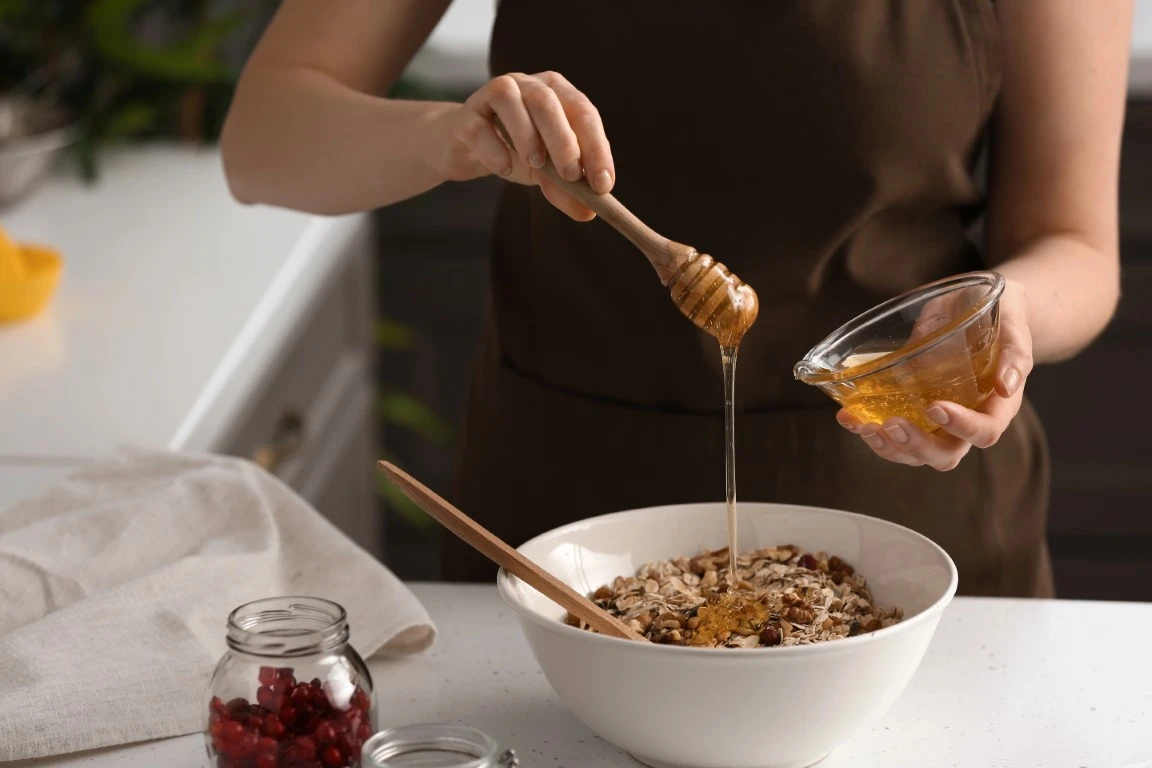
  • Drizzle honey on pancakes, waffles, oatmeal, and yogurt.
  • Use it in cakes, cookies, and pies.
  • Add it to ice cream or fruit.  
  • Add it to tea or other hot drinks for a touch of sweetness. 
Browning's Honey Platter Idaho Falls

For Savory Dishes 

  • Mix honey with soy sauce, garlic, and ginger for a quick marinade for salmon or chicken before cooking or roasting. 
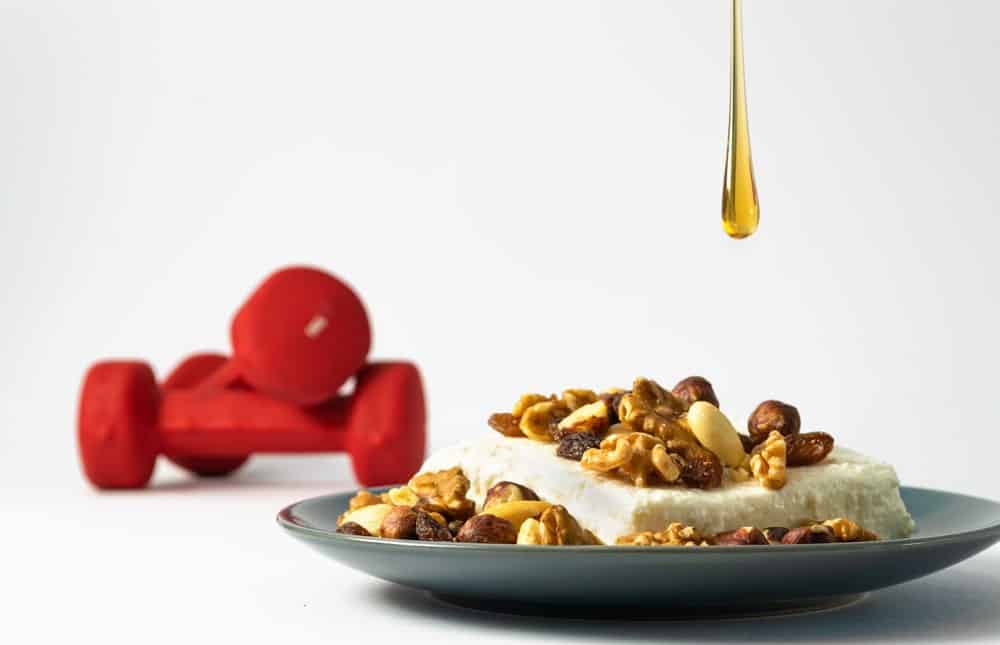
  • Drizzle it over cheese and cured meats for a sweet and salty combination. 
  • Combine it with mustard to make a dipping sauce or into a vinaigrette for a balanced dressing. 
  • Drizzle over a warm biscuit, cornbread, or even a pizza for a contrasting flavor. 

Honey: A Versatile Addition to Your Kitchen 

Honey is more than just a natural sweetener; it’s a flavor enhancer that can bring out the best in both savory and sweet dishes. By pairing it thoughtfully, using it at the right stage of cooking, and avoiding overheating or overusing, you can preserve its natural goodness and enjoy its full flavor. With these simple dos and don’ts in mind, you can make honey a regular ingredient in your kitchen.

Filed Under: Honey

  • « Previous Page
  • 1
  • 2
  • 3
  • 4
  • …
  • 8
  • Next Page »
Shop Online

Location

9019 N 5 E
Idaho Falls, Idaho 83401

208-516-2263

Menu

  • Honey Shop
  • Our Apiary
  • Benefits of Honey
  • The Buzz
  • Gift Shop
  • Contact Us

Hours

Monday 9:00 AM - 5:00 PM
Tuesday 9:00 AM - 5:00 PM
Wednesday 9:00 AM - 5:00 PM
Thursday 9:00 AM - 5:00 PM
Friday 9:00 AM - 5:00 PM
Saturday 10:00 AM - 4:00 PM
Sunday CLOSED

Refund & Returns Policy

Refund & Returns Policy

Browning’s Honey

© 2025 Browning's Honey | All Rights Reserved | Privacy Policy | Terms | XML Sitemap | Sitemap | Accessibility | Anti Discrimination | Site by PDM