FREE SHIPPING ON ORDERS $20 AND OVER

CALL 208-516-2263

brownings honey logo

Browning's Honey

Buy Raw Honey Online

×
  • Honey Shop
    • Classic Honey
    • Clover Honey
    • Creamed Honey
    • Flavored Honey
    • Honey Butter
    • Beeswax Blocks
  • Our Apiary
  • Benefits of Honey
  • The Buzz
    • Blogs
    • FAQs
    • Honey Facts, Tips, And Recipes
    • Kid’s Corner
    • Upcoming Events
  • Gift Shop
  • Contact Us
    • Refund and Returns Policy

Table of Contents

  • Plant Bee-Friendly Flowers
  • Skip the Pesticides
  • Buy Local Honey and Bee Products
  • Leave the Weeds
  • Create Bee Hotels or Habitats
  • Understand the Types of Bees
  • Educate and Advocate 
  • Small Changes, Big Impact
How to Support Honey Bees

Honey bees play a vital role in pollinating the plants that produce much of our food. Unfortunately, their populations have been declining due to habitat loss, pesticide use, parasites, and disease. The good news? You don’t need to be a beekeeper to help. You can support your local bee population from your own backyard and neighborhood.

Plant Bee-Friendly Flowers

Bees rely on flowers for nectar and pollen. You can support them by planting a variety of native, pollinator-friendly plants. Because they become active during specific times of the year, make sure you plant flowers that bloom from early spring to late fall to ensure bees have a constant food source. 

Top picks include:

  • Lavender
  • Coneflower (Echinacea)
  • Bee balm
  • Black-eyed Susans
  • Sunflowers
  • Milkweed (which also benefits monarch butterflies)

Avoid hybrid flowers; they may look pretty, but they offer little nectar or pollen. If you find it difficult to find native plants in your area, research non-invasive pollinator-friendly alternatives appropriate to your location. 

If possible, consider also planting trees, such as maple trees, fruit trees, dogwood trees, serviceberry trees, and other bee-friendly species. Trees provide bees with more food and spaces to nest, especially in the early spring before smaller plants begin to bloom. 

Fun Fact: Bees must visit two million flowers to make one pound of honey. 

Skip the Pesticides

Even small amounts of pesticides — especially neonicotinoids — can be deadly to bees. Opt for organic gardening practices, natural pest control methods, or bee-safe alternatives if you must treat plants. 

Instead of pesticides, consider using:

Neem Oil — This is a broad-spectrum insecticide and fungicide derived from the neem tree. It works against pests, such as aphids, scale, and whiteflies. While considered safe for bees, avoid spraying directly on open blooms, where bees are. 

Insecticidal Soap — These soaps are made from fatty acids and work against soft-bodied insects like aphids, mites, and whiteflies by disrupting the insects’ cell membranes. Like neem oil, avoid spraying when bees are present. 

Provide Fresh Water

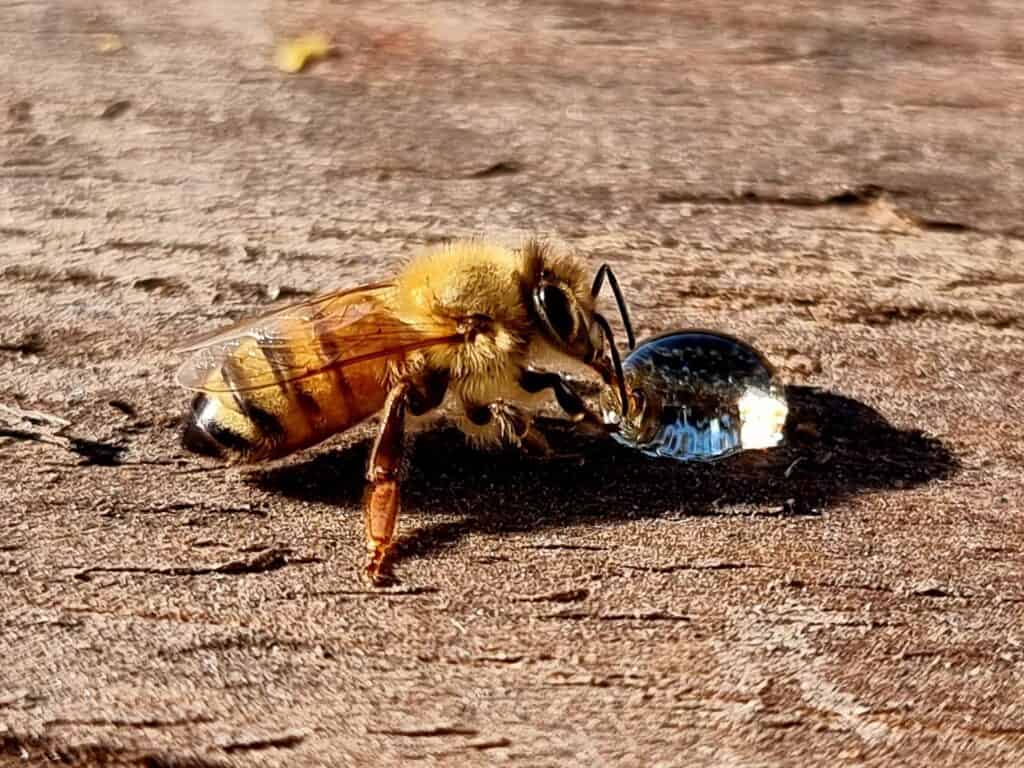
Like all creatures, bees need water. Add a shallow dish with clean water and pebbles or twigs where they can land safely. Place it near flowering plants or shaded areas to create a bee oasis. Dumb the water every few days and replace it with fresh water to eliminate any mosquito larvae in the water. 

If you come across a sleepy or lethargic bee, you can try offering it a solution of water and sugar to boost its energy. 
How to Support Honey Bees

Buy Local Honey and Bee Products

Support your local beekeepers by buying raw, unfiltered honey, beeswax candles, and other bee-made products from farmers’ markets and local shops. This helps fund responsible, sustainable beekeeping practices that benefit bee populations directly. 

Browning’s Honey supports local bees by staying up to date on the latest research and stewardship practices and remaining dedicated to protecting and helping bees thrive. 

Leave the Weeds

Not all weeds are bad — clover, dandelions, and goldenrod are great food sources for bees, especially in early spring or late fall. Letting parts of your yard grow a little wild can make a big difference. 

Create Bee Hotels or Habitats

Many native bees, like mason bees, don’t live in hives but instead nest in the ground or hollow stems. You can help by: 

  • Leaving bare patches of soil.
  • Creating bee hotels using bundles of bamboo or drilled wood.
  • Not disturbing leaf litter or fallen branches during nesting seasons. 
  • Leave plant stems standing through winter.

Be mindful when mowing and make sure you don’t destroy any underground bee nests. 

Understand the Types of Bees

Not all bees you encounter will be honey bees. North America is home to over 4,000 species, including bumblebees, mason bees, and leadcutter bees. Many of these are more efficient pollinators than honey bees. Supporting honey bees means supporting all bees, as they all work together to support the ecosystem.
How to Support Honey Bees

Educate and Advocate 

Talk to your neighbors about bee-friendly gardening, support local conservation efforts, and encourage your community to plant pollinator gardens in shared spaces like schools and parks. Encourage local governments to adopt policies that promote bee habitats and reduce pesticide use. 

Small Changes, Big Impact

One-third of the food we consume relies on pollinators. To support local honey bees, you don’t need a hive or a garden full of bees to make a difference. You just need to plant the right flowers, avoid pesticides, and make conscious choices about what you buy and how you garden. By creating a welcoming environment, you ensure bees and the ecosystems they support can thrive. 
Filed Under: Honey

Surprising Health Benefits of Honey You Probably Didn’t Know

For centuries, honey has been celebrated for its sweetness and versatility — but this golden liquid offers more than flavor for your tea or cornbread. Packed with antioxidants, enzymes, and natural healing properties, honey has earned its reputation as a powerful health booster. While many people use it to soothe a sore throat, you may be surprised to learn about its lesser-known health benefits. 

Raw Honey vs. Regular Honey

If you want to receive the most health benefits from honey, ensure you get it in its purest form —straight from the hive, unheated and unprocessed. Raw honey contains natural enzymes, antioxidants, and bee pollen. Bee pollen contains vitamins, minerals, amino acids, and antioxidants. 

Regular honey is often pasteurized and filtered. While this gives it a smoother texture and longer shelf life, it can strip away some of the nutrients and benefits, including pollen. Processed honey may also contain added sugars, such as high fructose corn syrup. 

A Natural Energy Booster

Minimally processed honey provides a natural source of carbohydrates and sugars that give you a sustainable energy boost. The glucose in honey is easily absorbed by the body, making it ideal for athletes or anyone needing a pick-me-up without the crash. And, unlike regular sugar, it contains a bit of protein, minerals, and amino acids. 

Gut Health Supporter

Raw honey contains prebiotics that help nourish the good bacteria in your gut. A healthy gut microbiome plays a key role in digestion, immunity, and even mental health. Adding a spoonful of raw honey to your daily routine can promote the growth of healthy bacteria and work against harmful pathogens in your gut, such as E.coli. 

Wound Healing Superpower

Honey is the oldest wound treatment and healing agent; it has been used topically since ancient Egypt. Honey has remarkable antibacterial and anti-inflammatory properties. Medical-grade honey, such as Manuka honey, is often used in hospitals to promote faster healing and prevent infections in wounds and burns.

A Natural Cough Suppressant  

Studies show that honey can be just as effective as common cough medications, especially for children over one year old. It coats the throat, reduces irritation, and provides soothing relief. Consider adding honey and lemon to hot water for a soothing throat tea. 

Note: Never give honey to infants under one year old due to the risk of botulism. 

Surprising Health Benefits of Honey You Probably Didn’t Know

Great Source of Antioxidants

Honey is loaded with powerful antioxidants like phenolic compounds, which help fight free radicals in the body. These antioxidants are linked to a reduced risk of heart disease, lower blood pressure, reduced bad cholesterol, improved brain health, and even anti-aging benefits for your skin. 

Sleep Supporter 

If you have trouble sleeping, a spoonful of honey before bed may help. Honey can promote the release of melatonin — the hormone responsible for sleep — by slightly raising insulin levels and stimulating tryptophan in the brain. 

Blood Sugar Management 

While honey is a sweetener, some research indicates that it may have a more positive impact on blood sugar levels compared to refined sugar, making it a beneficial addition to a balanced diet. It may also help those with diabetes, helping lower the level of sugar in the blood and reducing blood lipid and reactive protein content. 

Mental Health Supporter

Studies have suggested that, along with physical health benefits, honey may provide antidepressant, anticonvulsant, and anti-anxiety benefits due to its antioxidant and anti-inflammatory effects as well as its influence on serotonin levels. It may also help prevent memory disorders.

May Help with Seasonal Allergies

Surprising Health Benefits of Honey You Probably Didn’t Know

Although research is mixed, some believe that local, raw honey may help build tolerance to local pollen, potentially reducing allergy symptoms over time. While it’s not a guaranteed cure, it’s worth trying. 

How to Incorporate Honey Into Your Routine

  • Add a spoonful to warm (not hot) tea to preserve its beneficial enzymes
  • Use it as a natural sweetener in smoothies, on toast, or in oatmeal.
  • Apply it directly to minor cuts, scrapes, or burns as a topical treatment (using medical-grade honey is best for this).
  • Mix honey with lemon and ginger for a homemade immunity-boosting tonic.
  • Try it in DIY face masks for antibacterial, moisturizing skin benefits.

The Bottom Line

Honey is much more than a natural sweetener. From boosting energy levels and aiding digestion to supporting wound healing and promoting sleep, the health benefits are numerous. Just be sure to choose raw or minimally processed honey and consume it in moderation to get the most out of its natural goodness. Consult with your doctor if you have allergies or health concerns.

Table of Contents

  • Raw Honey vs. Regular Honey

Filed Under: Honey

In the world of nature’s culinary marvels, few creations hold the sheer charm and allure of the honeycomb. With its intricate hexagonal patterns, captivating golden hue, and delectable contents, honeycomb is not only a testament to the marvels of nature’s design but also a source of culinary delight and versatile applications.

This article delves into the captivating world of honeycomb, unraveling its mysteries and exploring its various uses beyond the sweet treat it holds within.

What is Honeycomb?

Honeycomb, quite literally, is nature’s architectural marvel. It’s the intricate structure bees construct from beeswax to store honey and raise their brood. The hexagonal pattern is ingeniously designed to maximize space efficiency while minimizing the use of materials. This structure also offers remarkable strength, showcasing a perfect blend of nature’s efficiency and elegance.

How Do Bees Use Honeycomb?

The process of honeycomb construction begins with bees collecting nectar from flowers. This nectar is brought back to the hive and regurgitated by the worker bees into the hexagonal cells of the honeycomb. The bees then fan the nectar with their wings, reducing its moisture content through evaporation. This transformation turns the nectar into the golden treasure we know as honey. Beyond its role as a repository for honey, the honeycomb serves as a versatile storage solution for various hive necessities. If you think of a beehive like a house, the honeycomb makes up all the rooms, or cells, of the house. A cell is one single hexagon in the comb, and individual cells serve the colony in different ways. Worker bees utilize different cells within the honey comb for different purposes. Larger cells, for instance, are used for storing pollen, a vital protein source, while smaller cells become home to developing bee larvae. In the heart of the honeycomb lies a segment dedicated to nurturing the next generation of honey bees. Known as brood cells, these hexagonal chambers provide a safe haven for eggs laid by the queen bee. These eggs hatch into larvae that are meticulously fed a concoction of pollen and honey by worker bees until they metamorphose into adult bees. One of the wonders of the honeycomb lies in its hexagonal cell pattern. This geometric marvel isn’t just aesthetically pleasing; it’s an astonishing example of efficient space utilization. Bees instinctively construct hexagons because this shape requires less wax and offers optimal structural stability, allowing the honey comb to hold substantial weight without collapsing.

Can You Eat Honeycomb?

Absolutely! In fact, indulging in the delights of honey comb is a unique culinary experience. The waxy structure encapsulates the rich, raw honey produced by bees. This honey is often considered more intense in flavor and aroma than its liquid counterpart. When you consume honeycomb, you’re treated not only to the luscious sweetness of the honey but also to the satisfying texture of the wax. It’s a delightful combination that elevates the act of honey consumption into a multisensory adventure.

What Are the Benefits of Eating Honeycomb?

Honeycombs Wooden Platter When it comes to the benefits of eating honeycomb, it’s not just about the golden liquid stored within. Each individual cell within the honeycomb serves as a microcosm of nutrition. Apart from the honey, these cells also house pollen – a potent source of vitamins, minerals, antioxidants, and protein. Consuming honeycomb introduces you to a harmonious blend of honey and pollen, delivering a more complete and diverse range of nutrients compared to consuming honey alone.
  1. Immune Support: The pollen stored within honey comb is renowned for its immune-boosting properties. Its diverse array of nutrients and antioxidants can help fortify your body’s natural defense mechanisms.
  2. Digestive Aid: Honey comb contains natural enzymes that aid digestion and promote gut health. These enzymes contribute to breaking down complex sugars and facilitating nutrient absorption.
  3. Energy Boost: The natural sugars present in honey comb, coupled with the sustained energy release from pollen, can provide a gentle and lasting energy boost – perfect for a quick pick-me-up.
  4. Skin Radiance: The beeswax present in honeycomb offers benefits not just for internal health but also for external beauty. Beeswax is often used in skincare products for its moisturizing and protective properties.
  5. Rich in Antioxidants: Honeycomb, with its combination of honey and pollen, is a powerhouse of antioxidants. These compounds help combat oxidative stress, promoting overall well-being and reducing the risk of chronic diseases.
  6. Allergy Relief: Local honey, often found within honeycomb, contains trace amounts of local pollen. Regular consumption of local honey comb may help desensitize your body to pollen allergies, offering relief during allergy seasons.
  7. Bone Health: Calcium is essential for strong bones, and honey comb contains small amounts of this vital mineral. Incorporating honeycomb into your diet can contribute to your daily calcium intake.
  8. Natural Sweetness with a Lower Glycemic Index: Honeycomb offers a balanced blend of natural sugars, including fructose and glucose. The presence of pollen may also contribute to a lower glycemic index compared to processed sugars, leading to more controlled blood sugar levels.
  9. Heart Health: The combination of honey and pollen can have a positive impact on cardiovascular health. Honey has been associated with improving cholesterol profiles, while pollen may support blood vessel health.

What Else Is Honey Comb Used For?

Honeybees While honeycomb is primarily known for its role in honey production, its uses extend beyond the realm of the edible. Here are a few intriguing applications:

Cosmetics and Skincare

The waxy composition of honey comb makes it an excellent ingredient for natural skincare products. Beeswax is often used in balms, lotions, and lip products due to its moisturizing and protective properties.

Candles

Beeswax candles are prized for their clean-burning nature, subtle honey scent, and the soft glow they emit. The intricate patterns of honey comb cells lend an exquisite texture to these candles.

Crafts and Decor

Honeycomb’s distinctive pattern is a source of artistic inspiration. From jewelry designs to home decor, the hexagonal motif is often used to add a touch of nature’s elegance to various creations.

Science and Engineering

The honeycomb’s optimal use of space and structural stability has inspired innovations in architecture and engineering. Engineers have looked to honeycomb structures for lightweight yet robust designs in aerospace and construction.

Where to Buy Honey comb?

If you’re enticed by the idea of savoring honeycomb, you’re in luck. Many specialty food stores and artisanal markets offer raw honeycomb for purchase. You can also find honeycomb at local farmers’ markets, where beekeepers often sell their products. When buying honeycomb, look for those produced sustainably and harvested with care to support responsible beekeeping practices.

Conclusion

Honeycomb is more than just a repository of golden nectar; it’s a symbol of nature’s ingenuity and a source of multifaceted wonder. From its origins in beekeeping to its culinary, cosmetic, and artistic applications, honeycomb’s significance extends far beyond its honey-filled chambers. So, the next time you encounter a piece of honeycomb, take a moment to appreciate the intricate beauty and myriad possibilities that it holds within its delicate embrace.

Experience Nature’s Sweetness with Browning’s Honey Honeycomb Product

Indulge in the exquisite harmony of flavor and texture with our very own cut comb honey. Crafted with care, this culinary delight encapsulates the essence of nature’s artistry. Whether you’re seeking a delectable addition to your cheese platter, a sweet complement to your morning yogurt, or a captivating conversation starter for your gatherings, this product delivers. Unlock the enchanting world of honeybees and their remarkable creations – an experience that transcends mere consumption. Buy Browning’s Honey Honeycomb Product today and savor a symphony of flavors and textures like never before.

Filed Under: Honey Tagged With: honey combs, honeycomb

  • « Previous Page
  • 1
  • …
  • 4
  • 5
  • 6
  • 7
  • 8
  • …
  • 10
  • Next Page »
Shop Online

Locations

9019 N 5 E
Idaho Falls, Idaho 83401

1475 S Holmes Ave.
Idaho Falls, ID 83404
(On S Holmes between 14th and 15th Street)

208-516-2263

Menu

  • Honey Shop
  • Our Apiary
  • Benefits of Honey
  • The Buzz
  • Gift Shop
  • Contact Us

Hours

Monday 9:00 AM - 5:00 PM
Tuesday 9:00 AM - 5:00 PM
Wednesday 9:00 AM - 5:00 PM
Thursday 9:00 AM - 5:00 PM
Friday 9:00 AM - 5:00 PM
Saturday 10:00 AM - 4:00 PM
Sunday CLOSED

Refund & Returns Policy

Refund & Returns Policy

Browning’s Honey

© 2026 Browning's Honey | All Rights Reserved | Privacy Policy | Terms | XML Sitemap | Sitemap | Accessibility | Anti Discrimination | Site by PDM

Your cart (items: 0)

Products in cart

Product Details Total
Subtotal $0.00
Shipping, taxes, and discounts calculated at checkout.
View my cart
Go to checkout

Your cart is currently empty!

Start shopping