FREE SHIPPING ON ORDERS $20 AND OVER

CALL 208-516-2263

Idaho Falls Idaho Beeswax

Browning's Honey

Buy Raw Honey Online

×

Your cart is currently empty!

  • Honey Shop
    • Classic Honey
    • Clover Honey
    • Creamed Honey
    • Flavored Honey
    • Honey Butter
    • Beeswax Blocks
  • Our Apiary
  • Benefits of Honey
  • The Buzz
    • Blogs
    • FAQs
    • Honey Facts, Tips, And Recipes
    • Kid’s Corner
    • Upcoming Events
  • Gift Shop
  • Contact Us
    • Refund and Returns Policy

Home | Archives for Cynthia Browning | Page 7

Creamed honey and whipped honey are two popular variations of honey that offer unique textures and flavors. While they share some similarities, they differ in terms of their production methods, consistency, and culinary uses. Let’s explore the characteristics and distinctions between creamed honey and whipped honey.

Creamed Honey

  Creamed honey, also known as crystallized honey, is honey that has been intentionally processed to create a smooth and spreadable texture. It is made by controlling the crystallization process of honey. The goal is to encourage the formation of fine crystals, resulting in a creamy and thick consistency. Creamed honey has a velvety texture and a delicate, subtle flavor. The process in making creamed honey involves selecting a batch of raw honey and gently stirring it. This stirring helps distribute the existing honey crystals evenly throughout the product, creating a uniform texture. By controlling the temperature and humidity during the process, beekeepers can achieve the desired creamy consistency. The end result is a honey that is easy to spread on toast, biscuits, or other foods. With a little time and patience, you can learn to make creamed honey in your own kitchen One of the advantages of creamed honey is its stability. Unlike liquid honey, creamed honey is less likely to crystallize or separate over time due to its controlled crystallized structure. This makes it a preferred choice for consumers who enjoy a consistent texture and do not want to deal with liquid honey’s potential messiness. .

Whipped Honey

  Whipped honey, sometimes referred to as aerated honey or spun honey, is honey that has been intentionally aerated to create a light and fluffy texture. It undergoes a process where air is incorporated into the honey, resulting in a whipped consistency. Whipped honey is typically lighter in color and has a softer, cloud-like texture. The process of whipping honey involves introducing air into the honey through mechanical means. This can be achieved using specialized equipment, such as mixers or blenders, that incorporate air into the honey while gently agitating it. The aeration process creates a frothy and voluminous texture, similar to whipped cream or mousse. Whipped honey is known for its lightness and spreadability. It has a delicate and smooth mouthfeel, making it a popular choice for spreading on bread, pancakes, or adding to beverages like tea or coffee. Whipped honey often has a milder flavor compared to creamed honey, allowing the natural sweetness of the honey to shine through.

Differences between Creamed Honey and Whipped Honey

  Browning's Honey Creamed Honey   While creamed honey and whipped honey share similarities in terms of their texture and spreadability, there are notable differences between the two variations:
  1. Production Process: Creamed honey is achieved by controlling the crystallization process, while whipped honey is created through aeration.
  2. Consistency: Creamed honey has a smooth and thick consistency, similar to a spreadable butter, while whipped honey is light and fluffy, resembling whipped cream.
  3. Texture: Creamed honey has a velvety texture, while whipped honey has a frothy and airy texture.
  4. Flavor: Creamed honey has a subtle flavor profile, while whipped honey tends to have a milder taste, allowing the natural sweetness of the honey to be more prominent.
  5. Culinary Uses: Creamed honey is ideal for spreading on toast, biscuits, or incorporating into recipes that require a thicker consistency. Whipped honey is excellent for spreading on bread, pancakes, or adding to beverages.
  6. Stability: Creamed honey is more stable and less prone to crystallization or separation, while whipped honey may be more susceptible to changes in temperature and humidity.

Culinary Uses and Pairings

  Honey, Bread, Spoon Both creamed honey and whipped honey can be enjoyed in various culinary applications. Here are some popular uses and pairings for each:

Creamed Honey:

 
  • Spread on toast, bagels, or biscuits
  • Drizzle over yogurt or oatmeal
  • Incorporate into baking recipes for added sweetness and texture
  • Pair with cheeses, such as goat cheese or brie, for a delightful contrast of flavors
  • Use as a natural sweetener in teas, coffee, or smoothies

Whipped Honey:

 
  • Spread on pancakes, waffles, or French toast
  • Mix into whipped cream or yogurt for a sweet and airy topping
  • Stir into hot beverages like tea or coffee for a touch of sweetness and flavor
  • Pair with fresh fruits, such as berries or sliced apples, for a refreshing treat
  • Use as a glaze or drizzle over desserts, like cakes or pastries, to add a light and sweet finish

Storage and Shelf Life

  Proper storage is essential to maintain the quality and consistency of creamed honey and whipped honey. Here are some guidelines for storing these honey variations:

Creamed Honey:

 
  • Store in a cool and dry place, away from direct sunlight and heat sources.
  • Keep the jar tightly sealed to prevent moisture absorption.
  • Avoid introducing any water or wet utensils into the container, as this can affect the texture and promote spoilage.
  • If the creamed honey becomes too firm, you can gently warm it in a water bath or microwave for a few seconds to soften it before use.

Whipped Honey:

 
  • Whipped honey should be stored in a cool and dry place, similar to creamed honey.
  • Keep the container tightly sealed to prevent moisture absorption and maintain the whipped texture.
  • Avoid exposing whipped honey to high temperatures, as this can cause it to become runny and lose its airy consistency.

Conclusion

  In conclusion, creamed honey and whipped honey offer unique textures and flavors that can enhance your culinary experiences. Creamed honey is smooth, thick, and spreadable, while whipped honey is light, airy, and fluffy. Both variations have their own distinctive qualities and are enjoyed in different culinary applications. It’s important to store creamed honey and whipped honey properly to maintain their textures and flavors. Whether you prefer the velvety consistency of creamed honey or the cloud-like fluffiness of whipped honey, these variations provide delightful options for honey enthusiasts.

Indulge In the Delectable Delights of our Whipped and Creamed Honey Collection

  Honey Browning’s is dedicated to upholding our reputation for choosing the most superior pure raw honey available. Our beekeepers adhere to sustainable and ethical methods, guaranteeing that each jar of honey mixture represents the genuine essence of nature’s finest nectar. If your preference lies in flavored raw creamed honey, creamy honey, whipped honey butter, crystalized honey, raw liquid honey, churned honey, or pasteurized honey, our collection of natural honey provides a diverse selection of enchanting flavors to enhance your culinary endeavors. Check out our online honey shop to purchase creamed honey. Alternatively, feel free to contact us for bulk orders.

Filed Under: Honey Tagged With: creamed honey, whipped honey

Idaho Falls, a beautiful city nestled in the eastern part of Idaho, is known for its rich agricultural heritage and stunning natural scenery. Among the many local products that have become synonymous with the region is honey, and there is one company that stands out as the best in the business – Browning’s Honey.

With a commitment to quality, sustainability, and innovation, Browning’s Honey has become a household name in the area and beyond. From their carefully tended hives to their state-of-the-art processing facility, every step of their honey production is handled with care and precision. With a wide variety of unique and delicious flavors, Browning’s Honey is the go-to source for honey lovers in Idaho Falls and beyond.

Idaho Honey: Why Honey from Idaho Falls is So Good?

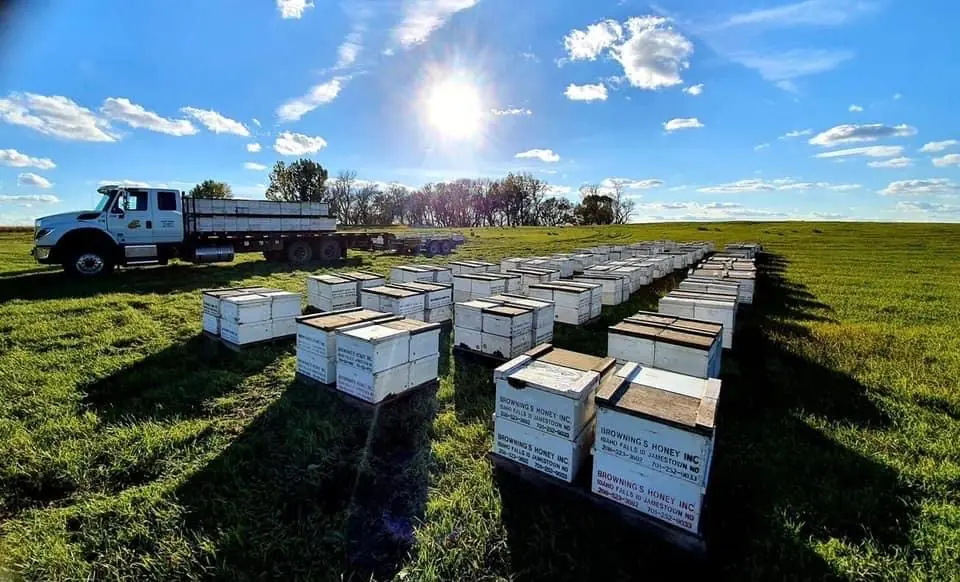
Bee Yard

Honey from Idaho Falls is known for its unique flavor profile and high quality due to a variety of factors that are specific to the region. Here are a few reasons why honey from Idaho Falls is so good:

  1. Diverse Floral Sources: One of the reasons that honey from Idaho Falls is so good is due to the diverse floral sources in the area. Bees collect nectar from various plants and flowers, and the flavor of the honey depends on the type of nectar collected. Idaho Falls is home to a variety of flora, including wildflowers, clover, alfalfa, and sagebrush. This diverse range of floral sources gives the honey a complex flavor that is unique to the region.
  2. Ideal Climate: The climate in Idaho Falls is ideal for honey production. The summers are warm and dry, which allows the bees to gather nectar and produce honey. The winters are cold, which forces the bees to conserve their resources and stay inside the hive, ensuring that they have enough food to survive until spring. This natural cycle of feast and famine allows the bees to produce high-quality honey.
  3. Clean Environment: Idaho Falls is located in a relatively rural area, with plenty of open spaces and clean air. This means that the bees are not exposed to pollution or pesticides that can harm their health and the quality of their honey. Additionally, many beekeepers in the area use sustainable and organic farming practices, which further enhances the quality of the honey.
  4. Skilled Beekeepers: Finally, the beekeepers in Idaho Falls are skilled and experienced, with a deep understanding of the bees and the honey production process. They take great care in ensuring that their bees are healthy and happy, which translates to high-quality honey. Many beekeepers in the area also use modern technology and techniques to improve the efficiency and quality of their honey production.
These factors all contribute to the unique flavor profile and high quality of the honey, making it a sought-after product for honey lovers around the world.

Is it Best to Buy Local Honey?

When it comes to buying honey, there are many factors to consider. One important consideration is whether to buy local honey or honey produced by larger commercial operations. While both types of honey can be delicious and nutritious, there are several compelling reasons to opt for local honey.

First and foremost, local honey has a unique flavor profile that reflects the local flora and the specific plants that the bees collect nectar from. This means that local honey can offer a more interesting and diverse taste experience than mass-produced honey. Moreover, local honey often contains natural pollen from the surrounding area, which can offer potential allergy relief. In addition to the taste and health benefits of local honey, purchasing honey from local beekeepers is also an excellent way to support small businesses in your community. By buying from local beekeepers, you are supporting sustainable beekeeping practices that prioritize the health of bees and their habitats. This, in turn, can help to sustain local bee populations and ensure that they continue to play a crucial role in pollinating crops and maintaining the health of ecosystems. Another advantage of buying local honey is the reduced environmental impact of transportation and distribution. Because local honey doesn’t have to be transported as far, it has a smaller carbon footprint than honey produced by larger commercial operations. Overall, there are many good reasons to buy local honey. Whether you’re looking for a unique flavor experience, potential health benefits, or a way to support local businesses and reduce your environmental impact, local honey is a great choice.

Why is Browning’s Honey the Best Honey Company in Idaho?

Light Crates Duo Angle

When it comes to honey, there are many companies that claim to provide the best quality products. However, one honey company that stands out from the rest is Browning’s Honey in Idaho Falls. With a commitment to excellence and a dedication to producing the finest honey products, Browning’s Honey has become the go-to choice for honey lovers throughout the region.

Browning’s Honey is a family-owned and operated business that has been producing honey for over 100 years. Their focus on quality and their commitment to their customers has made them one of the best honey companies in the state. Our company prides itself on using only the highest quality ingredients in our honey products, which is evident in the taste and texture of our honey. One of the things that set Browning’s Honey apart from other honey companies is our dedication to the environment. They take great care in ensuring that their bees are healthy and happy, and they use sustainable practices to maintain their hives. This dedication to sustainability has earned us recognition as a “Bee Better Certified” honey company, which means that we are committed to promoting healthy bee populations and protecting the environment. Another thing that makes Browning’s Honey the best honey company in Idaho Falls is their commitment to their customers. We understand that their customers want the best quality honey products, and we go above and beyond to provide them. From our friendly customer service to their commitment to using only the finest ingredients, we make sure that our customers are completely satisfied with our products.

What Makes Browning’s Honey Different Than Other Honey Companies?

Browning’s Honey is a family-owned and operated honey company that has been producing high-quality honey for a whole century. There are several factors that differentiate Browning’s Honey from other honey companies:

Locally Sourced

Browning’s Honey is produced from bees that collect nectar from local flowers and plants in the Pacific Northwest region of the United States. This means that the honey has a unique flavor profile that reflects the local flora.

Raw and Unfiltered

Browning’s Honey is raw and unfiltered, which means that it retains all of the natural enzymes, pollen, and propolis that are typically removed during processing. This gives the honey a more complex flavor and also provides additional health benefits.

Sustainable Practices

Our brand is committed to sustainable beekeeping practices and works to ensure that their bees are well-cared for and their hives are managed in an environmentally responsible manner.

Family-Owned and Operated

Browning’s Honey is a small, family-owned and operated business that takes pride in producing high-quality honey. This allows them to maintain a level of quality control that larger honey companies may not be able to achieve.

Factors to Consider When Buying Honey

Choosing the best honey company involves considering several factors. Look for transparency in the honey production process, sustainable and organic farming practices, and high-quality ingredients. Check the ingredients list and read reviews from other customers to ensure the quality of the honey.

Moreover, consider the price and support local companies for fresher and unique flavor profiles. By following these tips, you can find a honey company that provides you with pure, high-quality honey products that are both delicious and beneficial for your health.

Final Thoughts

Browning’s Honey offers a wide range of honey products, including raw honey, flavored honey like orange blossom, and creamed honey.  Our products are available for purchase at our online store or contact us for any inquiries or bulk orders. Shop today!

Filed Under: Honey Tagged With: honey companies, honey company

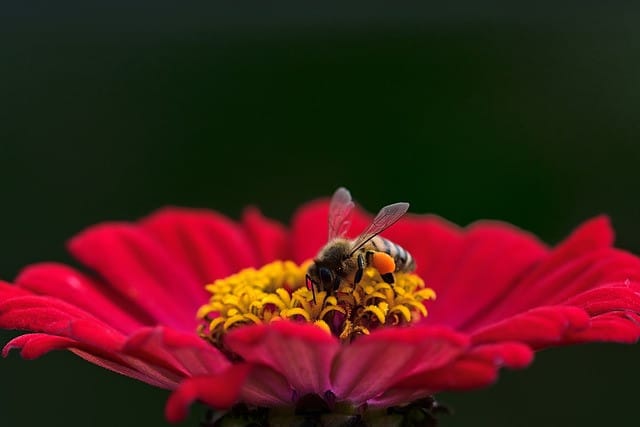
Bee on Top of White Flower

Honey Bees are an integral part of our agricultural systems, and in recent years their health and numbers have declined.  A world without bees is alarming since they are crucial for pollinating many of our food crops, which account for about one-third of our diet.

At Browning’s Honey, we love honey bees and enjoy considering how each of us can make small contributions that add up to a significant positive effect on them and all pollinators.

 As we celebrate the National Honey Month, learn how to support the honey bees with these simple steps.

Responsible use of Pesticides

This seems like a pretty obvious approach for growers to aid bees, isn’t it? It’s not always that simple, of course. Sometimes you must come up with a solution to deal with a cabbage worm or Japanese beetle infestation.

Choose plants from local nurseries. Avoid seeds treated with systemic pesticides, like neonicotinoids, and address these pest problems where and when they occur rather than spraying broad-spectrum pesticides in discriminant.

Choose Organic

Honey bees are generalist pollinators that visit blossoms from many plants, trees, and shrubs over a very large area.  Often honey bees will fly over 2 miles from their hive to find the best blossoms.  It is crucial that blooms are not coated with toxins that could harm the hive because honey bees cannot discern which crops in an area have been treated and which ones have not.  Nowadays, many small-scale farmers use organic or permaculture farming methods on their farms. This entails farming without the use of pesticides and growing multiple crops as opposed to a single crop. For bees, that would be great news.

To be sure the products you buy are bee-friendly, look for labels that state “grown without pesticides” at your neighborhood supermarket or go to your neighborhood farmer’s market. Here you can find some great organic pesticides. An excellent method to help the bees and your neighborhood is to buy organic and locally.

Grow Bee-Friendly Flowers and Plants

Bee on top of Yellow Flower

Anyone can plant a bee-friendly garden, regardless of whether they raise bees or not.

Include some native plants from your area in a range of vibrant colors when choosing your garden blossoms. Like people, bees value variety. Plant flowers in bunches and with blossoms of various sizes and shapes to make foraging easier. Explore plants that bloom throughout the year. Support a variety of pollinators throughout a variety of seasons. Smaller plants produce forage more frequently, but trees and shrubs produce significantly larger amounts of pollen and nectar, so it’s great to have a variety of both.  For landowners with large areas, consider enrolling a portion of your land in to pollinator focused conservation program.  Browning’s Honey Co., is a co-founder of the Bee and Butterfly Habitat Fund.  A non-profit organization that provides seeds and professional support to landowners who are able to establish pollinator habitat on projects of 2 acres and larger in size.  The BBHF “Next Gen Habitat” is an amazing, beautiful habitat for pollinators!  Find out more at www.beeandbutterflyfund.org.

Create A Pollinator Space

Plant some flowers!

A pollinator garden can be very beneficial to honeybees. honey bees can starve if neighboring flowers aren’t abundant with honey and pollen, which they need to survive. Make sure your garden is pesticide-free before you grow a pollinator garden to give bees a year-round food source.

Pollinators need water too!

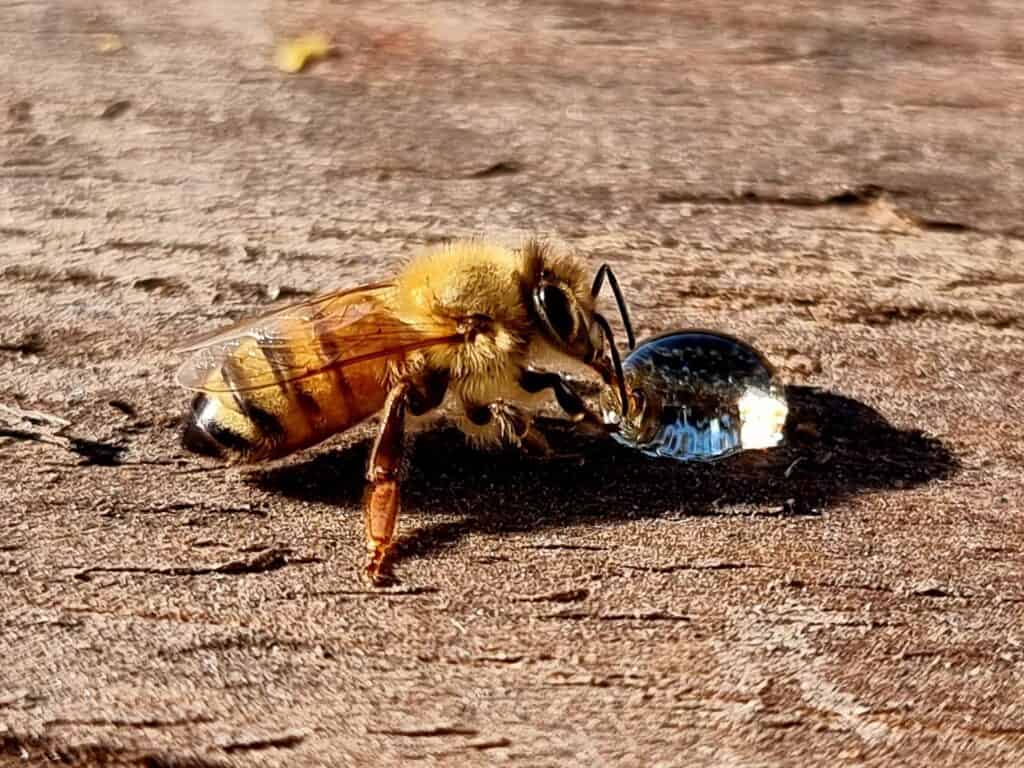
Honey bees require access to water.  It’s a good idea to give them a water source because they frequently drown in pet bowls or swimming pools, which don’t have the best water quality for honey bees.  When given an option, honey bees prefer unclean, algae covered water.  In the sweltering summer, builder a bee pond or bee bath with barriers like pebbles or sticks for honey bees to land on to prevent honey bees from drowning.

Let the grass grow a little!

Less frequent grass cutting provides pollinators with refuge and food sources.  If you have a lawn, let some of it grow longer and mow less frequently to give your mower (and back) a break.  Dandelions and especially clover are a great food source for pollinators.

Native Pollinators need nesting habitat.

The majority of native bee species are solitary, with the exception of domestic honey bees and native bumble bees, which live in social colonies.  In other words, they don’t contribute to the care of their young or make honey.  The eggs of solitary bee species are instead laid in a number of chambers within a nesting tunnel.  70% of the solitary nesting bees that are native deposit their eggs in underground tunnels.  The remaining 30% of solitary bees lay their eggs in hollowed out plant stems, tunnels in dead trees, or downed logs.  As crucial as supplying native plants to supply them with pollen and nectar are nesting areas for native bees.  Keep dead trees or fallen logs, allow bare patches of soil in your yard for ground nesting bees, and leave plant stems hanging throughout winter.  In order to give native bees a place to breed, you can also build native bee nesting houses.

Don’t be afraid!

Don’t be frightened of pollinators on your property unless you have a specific bee allergy. Yellow jackets, wasps, and hornets, which are sometimes referred to as “bees” are not at all.   They are carnivores, they won’t be drawn to your pollinator space.

Buy Local Honey

You can help your neighborhood beekeepers and their bees, as well as your own health and the environmental well-being of your town or city, by buying raw local honey. Raw honey is obtained directly from the hive without over-pasteurization or ultra-filtering to preserves all of its antioxidants, vitamins, minerals, and flavor.

Additionally, raw honey is widely recognized as treatment small burns and abrasions as well as colds and flu.  You can keep yourself and your neighborhood healthy by only purchasing locally produced raw honey.

Beneficial Insects Are Great In Your Garden

Treat beneficial insects like hoverflies, beetles, and ladybirds as allies rather than foes because they hunt pest insects like aphids. We can support bees and other members of nature while maintaining beautiful gardens.

Your patch will be transformed, pests will be naturally controlled, and your plants and crops will receive free pollination if you let bees be your guide and ally. That is not a fair trade at all.

Educate Your Children About Bees

Children can become more environmentally conscious and be motivated to spend time outside and away from screens by learning about bees and other pollinators. Bees are intriguing, too!

One-third of our food crops and 90% of our wild plants depend on pollinators, so if you have a vegetable garden, this might be a great approach to discuss their significance.

Get Involved

Honeybee ecologists and researchers are beginning to ask the public for assistance in large-scale research projects. You may provide crucial data to these initiatives, all of which advance our understanding of what we can do to assist the honey bee in need.  Check them out and get involved!


  • National Honey Month initiated by the National Honey Board


We hope that these recommendations may help you to save the bees.


We look forward to seeing all of you playing a significant role in finding a solution, standing up for bees, and perhaps even becoming bee-safe partners!

Check out our shop where we are donating 5% of all purchases this month to Saving the Bees.

Filed Under: Honey

  • « Previous Page
  • 1
  • …
  • 5
  • 6
  • 7
  • 8
  • 9
  • Next Page »
Shop Online

Locations

9019 N 5 E
Idaho Falls, Idaho 83401

1475 S Holmes Ave.
Idaho Falls, ID 83404
(On S Holmes between 14th and 15th Street)

208-516-2263

Menu

  • Honey Shop
  • Our Apiary
  • Benefits of Honey
  • The Buzz
  • Gift Shop
  • Contact Us

Hours

Monday 9:00 AM - 5:00 PM
Tuesday 9:00 AM - 5:00 PM
Wednesday 9:00 AM - 5:00 PM
Thursday 9:00 AM - 5:00 PM
Friday 9:00 AM - 5:00 PM
Saturday 10:00 AM - 4:00 PM
Sunday CLOSED

Refund & Returns Policy

Refund & Returns Policy

Browning’s Honey

© 2025 Browning's Honey | All Rights Reserved | Privacy Policy | Terms | XML Sitemap | Sitemap | Accessibility | Anti Discrimination | Site by PDM