
FREE SHIPPING ON ORDERS $20 AND OVER

CALL 208-516-2263

brownings honey logo

Browning's Honey

Buy Raw Honey Online

×
  • Honey Shop
    • Classic Honey
    • Clover Honey
    • Creamed Honey
    • Flavored Honey
    • Honey Butter
    • Beeswax Blocks
  • Our Apiary
  • Benefits of Honey
  • The Buzz
    • Blogs
    • FAQs
    • Honey Facts, Tips, And Recipes
    • Kid’s Corner
    • Upcoming Events
  • Gift Shop
  • Contact Us
    • Refund and Returns Policy

Whipped honey is a unique and delightful variation of the golden nectar we all know and love. This velvety-smooth creation adds a luxurious texture to the already mouthwatering taste of traditional honey. In this article, we will explore what whipped honey is, its production process, its various flavors, and how you can enjoy this luscious treat.

What Is Whipped Honey?

Whipped honey, also known as creamed honey, honey butter, churned honey, or spun honey, is a type of honey that has been crystallized to achieve a smooth, spreadable consistency. Unlike regular honey, which can sometimes crystallize naturally into a gritty texture, it undergoes a controlled crystallization process to create its uniquely creamy texture.

How Do You Make Whipped Honey?

Traditionally, the production of whipped honey begins with raw honey sourced directly from beehives. The honey is gently heated to dissolve any existing crystals. Then, a small amount of already whip honey, often referred to as “seed honey,” is added to the liquid honey. The seed honey serves as a starter to initiate the crystallization process. The mixture is then slowly cooled and stored at a specific temperature to encourage the growth of fine, uniform crystals. Over time, the honey thickens and transforms into a smooth, creamy consistency through careful stirring or whipping. At Browning’s Honey, we do things a little differently. We have found that if you follow the traditional way of making creamed honey, you will end up with delicious smooth honey to start out with, but over time the honey continues to crystalize and turn into a hard brick. Our process is much slower and we do not add “seed honey” crystals to our raw honey. We store it in a controlled environment for up to 6 months allowing it to crystalize at a slower and more natural rate which keeps your honey soft and creamy longer. Not many places are able to do this slow process, but it has become a staple of what set’s our honey apart from competitors.

Variety of Flavors

Whipped honey comes in a wide array of flavors, catering to diverse palates. Whether you prefer classic flavors or unique twists, this type of honey offers any variant for everyone. Common flavors include:

Classic Whipped Honey

This variety features the natural, pure taste of honey, with its smooth and spreadable texture.

Infused Whipped Honey

Infused with various natural ingredients like cinnamon, vanilla, lavender, or fruit extracts, these flavors add an extra dimension of taste and aroma.

Nutty Whipped Honey

Blended with crushed nuts like almonds, walnuts, or pecans, this variation offers a delightful crunch and nutty undertones.

Spicy Whipped Honey

For those who enjoy a touch of heat, some whipped honey flavors are infused with spices like chili, ginger, or cardamom, creating a perfect balance between sweet and spicy.

The Difference Between Creamed Honey And Regular Honey

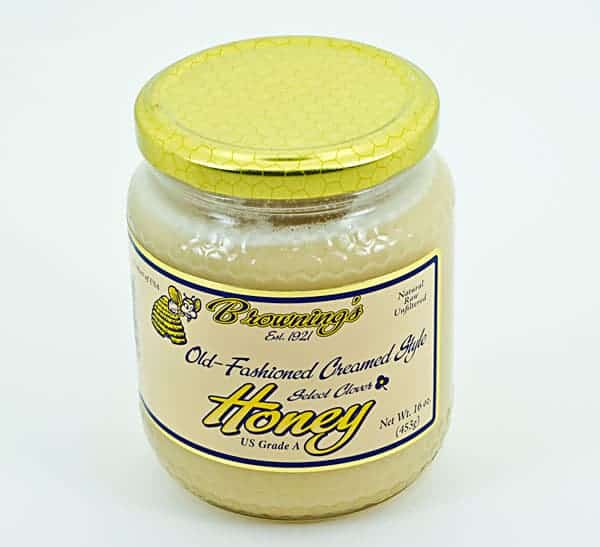
  Browning's Honey US Grade A Honey Creamed honey, also called whipped honey and regular honey hasdistinct characteristics. Regular honey is liquid, flowing easily when poured, while creamed honey has a smooth, creamy, and spreadable texture. Regular honey naturally crystallizes over time, resulting in a granulated or gritty texture, whereas creamed honey undergoes controlled crystallization, creating fine, uniform crystals and a creamy consistency throughout. Regular honey is typically extracted, strained, and sold as is, while creamed honey involves a production process that often includes adding seed honey to encourage crystallization. Both types have a long shelf life and can be used as sweeteners and spreads, but creamed honey’s unique texture lends itself well to spreading on bread or pairing with cheese.

Does Whipped Honey Need to be Refrigerated?

Unlike some other food products, whipped honey does not necessarily need to be refrigerated. In fact, storing it in the refrigerator can alter its texture and cause it to harden. The ideal storage conditions for creamed honey involve maintaining a cool, dry, and dark environment.

Does Whipped Honey Taste Different?

Whipped honey, with its creamy and smooth texture, can offer a slightly different taste experience compared to regular honey. The taste of it is influenced by various factors such as the floral source of the honey, any added ingredients or flavorings, and personal preferences. However, in terms of flavor, it generally retains the distinctive sweetness and floral notes characteristic of honey. The whipping process may also introduce more air into the honey, potentially enhancing its aroma. Ultimately, the taste difference between whipped honey and regular honey can be subtle, but the luxurious texture of it adds a delightful dimension to the overall sensory experience.

Making Whipped Honey with Crystallized Honey

Want to make your own creamed honey or whipped honey with crystallized honey at home? It’s really an easy process that anyone can try. Simply follow these steps:
  1. Start with honey crystallizes: If you have crystallized or granulated honey, it can be used to make whipped honey. Crystallized honey is honey that has naturally formed sugar crystals.
  2. Soften the crystallized honey: Place the jar of crystallized honey in a warm water bath or microwave it in short intervals, stirring in between, until it becomes more fluid. Be careful not to overheat the honey; you only need to warm it enough to soften the crystals.
  3. Whip the honey: Transfer the softened honey into a mixing bowl. Use a hand mixer or stand mixer to whip the honey at low to medium speed. Whip for several minutes until the honey starts to become creamy and smooth. You can also manually whisk the honey vigorously with a spoon or whisk, but it will require more effort and time.
  4. Store it: Once you’ve achieved the desired consistency, transfer the it into an airtight container and seal it tightly. Label the container with the date of preparation.
  5. Allow the honey to set: Place the container in a cool and dry location, away from direct sunlight. It will continue to set and develop its creamy texture over time. This process may take a few days or longer, depending on the specific honey and environmental conditions.
  6. Enjoy the it: Once the honey has fully set and attained the desired texture, it is ready to be enjoyed. Use it as a spread, sweetener, or flavor enhancer in various culinary creations.
Note: The resulting whipped honey made from crystallized honey may have a slightly grainy texture due to the original crystals present in the honey. However, the whipping process helps break down and distribute the crystals, resulting in a smoother consistency. By following these steps, you can transform crystallized honey into a delectable creamed honey with a creamy and spreadable texture.

How To Enjoy Whipped Honey

Whipped honey can be savored in numerous ways, adding a touch of indulgence to your culinary experiences. Here are a few delightful ideas:
  1. Spread on Toast or Bagels: Whip up your breakfast routine by spreading creamed honey on freshly toasted bread or bagels for a naturally sweet and velvety treat.
  2. Drizzle over Desserts: Add a dollop of creamed honey to your favorite desserts like ice cream, pancakes, waffles, or yogurt to elevate their flavors.
  3. Pair with Cheese: Whipped honey makes a heavenly companion for a cheese platter. Try it with creamy brie, tangy goat cheese, or sharp cheddar for a mouthwatering contrast.
  4. Sweeten Beverages: Stir a spoonful of whipped honey into your tea, coffee, or smoothie for a touch of natural sweetness. It dissolves effortlessly, imparting its rich flavor.
Conclusion

Whipped honey is a sumptuous twist on traditional honey, offering a luxurious and creamy texture that melts in your mouth. With its wide range of flavors and versatile uses, it adds a delightful touch to various dishes and beverages. Whether enjoyed as a spread, drizzle, or sweetener, this delectable treat is sure to satisfy any honey lover’s cravings. So, indulge in the velvety goodness of whipped honey and experience nature’s sweetness in a whole new way. At Honey Browning’s, we take pride in our commitment to sourcing only the highest quality honey. Our beekeepers follow sustainable and ethical practices, ensuring that every jar of honey is a pure and authentic taste of nature’s finest nectar. Whether you prefer flavored cream honey, creamy honey, whipped honey butter, crystalized honey, or pasteurized honey, our range of natural honey offers an array of captivating flavors to elevate your culinary creations. Check out our online honey shop and add to cart now! Or call us for bulk orders.

Filed Under: Honey Tagged With: creamed honey, whipped honey

Creamed honey and whipped honey are two popular variations of honey that offer unique textures and flavors. While they share some similarities, they differ in terms of their production methods, consistency, and culinary uses. Let’s explore the characteristics and distinctions between creamed honey and whipped honey.

Creamed Honey

  Creamed honey, also known as crystallized honey, is honey that has been intentionally processed to create a smooth and spreadable texture. It is made by controlling the crystallization process of honey. The goal is to encourage the formation of fine crystals, resulting in a creamy and thick consistency. Creamed honey has a velvety texture and a delicate, subtle flavor. The process in making creamed honey involves selecting a batch of raw honey and gently stirring it. This stirring helps distribute the existing honey crystals evenly throughout the product, creating a uniform texture. By controlling the temperature and humidity during the process, beekeepers can achieve the desired creamy consistency. The end result is a honey that is easy to spread on toast, biscuits, or other foods. With a little time and patience, you can learn to make creamed honey in your own kitchen One of the advantages of creamed honey is its stability. Unlike liquid honey, creamed honey is less likely to crystallize or separate over time due to its controlled crystallized structure. This makes it a preferred choice for consumers who enjoy a consistent texture and do not want to deal with liquid honey’s potential messiness. .

Whipped Honey

  Whipped honey, sometimes referred to as aerated honey or spun honey, is honey that has been intentionally aerated to create a light and fluffy texture. It undergoes a process where air is incorporated into the honey, resulting in a whipped consistency. Whipped honey is typically lighter in color and has a softer, cloud-like texture. The process of whipping honey involves introducing air into the honey through mechanical means. This can be achieved using specialized equipment, such as mixers or blenders, that incorporate air into the honey while gently agitating it. The aeration process creates a frothy and voluminous texture, similar to whipped cream or mousse. Whipped honey is known for its lightness and spreadability. It has a delicate and smooth mouthfeel, making it a popular choice for spreading on bread, pancakes, or adding to beverages like tea or coffee. Whipped honey often has a milder flavor compared to creamed honey, allowing the natural sweetness of the honey to shine through.

Differences between Creamed Honey and Whipped Honey

  Browning's Honey Creamed Honey   While creamed honey and whipped honey share similarities in terms of their texture and spreadability, there are notable differences between the two variations:
  1. Production Process: Creamed honey is achieved by controlling the crystallization process, while whipped honey is created through aeration.
  2. Consistency: Creamed honey has a smooth and thick consistency, similar to a spreadable butter, while whipped honey is light and fluffy, resembling whipped cream.
  3. Texture: Creamed honey has a velvety texture, while whipped honey has a frothy and airy texture.
  4. Flavor: Creamed honey has a subtle flavor profile, while whipped honey tends to have a milder taste, allowing the natural sweetness of the honey to be more prominent.
  5. Culinary Uses: Creamed honey is ideal for spreading on toast, biscuits, or incorporating into recipes that require a thicker consistency. Whipped honey is excellent for spreading on bread, pancakes, or adding to beverages.
  6. Stability: Creamed honey is more stable and less prone to crystallization or separation, while whipped honey may be more susceptible to changes in temperature and humidity.

Culinary Uses and Pairings

  Honey, Bread, Spoon Both creamed honey and whipped honey can be enjoyed in various culinary applications. Here are some popular uses and pairings for each:

Creamed Honey:

 
  • Spread on toast, bagels, or biscuits
  • Drizzle over yogurt or oatmeal
  • Incorporate into baking recipes for added sweetness and texture
  • Pair with cheeses, such as goat cheese or brie, for a delightful contrast of flavors
  • Use as a natural sweetener in teas, coffee, or smoothies

Whipped Honey:

 
  • Spread on pancakes, waffles, or French toast
  • Mix into whipped cream or yogurt for a sweet and airy topping
  • Stir into hot beverages like tea or coffee for a touch of sweetness and flavor
  • Pair with fresh fruits, such as berries or sliced apples, for a refreshing treat
  • Use as a glaze or drizzle over desserts, like cakes or pastries, to add a light and sweet finish

Storage and Shelf Life

  Proper storage is essential to maintain the quality and consistency of creamed honey and whipped honey. Here are some guidelines for storing these honey variations:

Creamed Honey:

 
  • Store in a cool and dry place, away from direct sunlight and heat sources.
  • Keep the jar tightly sealed to prevent moisture absorption.
  • Avoid introducing any water or wet utensils into the container, as this can affect the texture and promote spoilage.
  • If the creamed honey becomes too firm, you can gently warm it in a water bath or microwave for a few seconds to soften it before use.

Whipped Honey:

 
  • Whipped honey should be stored in a cool and dry place, similar to creamed honey.
  • Keep the container tightly sealed to prevent moisture absorption and maintain the whipped texture.
  • Avoid exposing whipped honey to high temperatures, as this can cause it to become runny and lose its airy consistency.

Conclusion

  In conclusion, creamed honey and whipped honey offer unique textures and flavors that can enhance your culinary experiences. Creamed honey is smooth, thick, and spreadable, while whipped honey is light, airy, and fluffy. Both variations have their own distinctive qualities and are enjoyed in different culinary applications. It’s important to store creamed honey and whipped honey properly to maintain their textures and flavors. Whether you prefer the velvety consistency of creamed honey or the cloud-like fluffiness of whipped honey, these variations provide delightful options for honey enthusiasts.

Indulge In the Delectable Delights of our Whipped and Creamed Honey Collection

  Honey Browning’s is dedicated to upholding our reputation for choosing the most superior pure raw honey available. Our beekeepers adhere to sustainable and ethical methods, guaranteeing that each jar of honey mixture represents the genuine essence of nature’s finest nectar. If your preference lies in flavored raw creamed honey, creamy honey, whipped honey butter, crystalized honey, raw liquid honey, churned honey, or pasteurized honey, our collection of natural honey provides a diverse selection of enchanting flavors to enhance your culinary endeavors. Check out our online honey shop to purchase creamed honey. Alternatively, feel free to contact us for bulk orders.

Filed Under: Honey Tagged With: creamed honey, whipped honey

Idaho Falls, a beautiful city nestled in the eastern part of Idaho, is known for its rich agricultural heritage and stunning natural scenery. Among the many local products that have become synonymous with the region is honey, and there is one company that stands out as the best in the business – Browning’s Honey.

With a commitment to quality, sustainability, and innovation, Browning’s Honey has become a household name in the area and beyond. From their carefully tended hives to their state-of-the-art processing facility, every step of their honey production is handled with care and precision. With a wide variety of unique and delicious flavors, Browning’s Honey is the go-to source for honey lovers in Idaho Falls and beyond.

Idaho Honey: Why Honey from Idaho Falls is So Good?

Bee Yard

Honey from Idaho Falls is known for its unique flavor profile and high quality due to a variety of factors that are specific to the region. Here are a few reasons why honey from Idaho Falls is so good:

  1. Diverse Floral Sources: One of the reasons that honey from Idaho Falls is so good is due to the diverse floral sources in the area. Bees collect nectar from various plants and flowers, and the flavor of the honey depends on the type of nectar collected. Idaho Falls is home to a variety of flora, including wildflowers, clover, alfalfa, and sagebrush. This diverse range of floral sources gives the honey a complex flavor that is unique to the region.
  2. Ideal Climate: The climate in Idaho Falls is ideal for honey production. The summers are warm and dry, which allows the bees to gather nectar and produce honey. The winters are cold, which forces the bees to conserve their resources and stay inside the hive, ensuring that they have enough food to survive until spring. This natural cycle of feast and famine allows the bees to produce high-quality honey.
  3. Clean Environment: Idaho Falls is located in a relatively rural area, with plenty of open spaces and clean air. This means that the bees are not exposed to pollution or pesticides that can harm their health and the quality of their honey. Additionally, many beekeepers in the area use sustainable and organic farming practices, which further enhances the quality of the honey.
  4. Skilled Beekeepers: Finally, the beekeepers in Idaho Falls are skilled and experienced, with a deep understanding of the bees and the honey production process. They take great care in ensuring that their bees are healthy and happy, which translates to high-quality honey. Many beekeepers in the area also use modern technology and techniques to improve the efficiency and quality of their honey production.
These factors all contribute to the unique flavor profile and high quality of the honey, making it a sought-after product for honey lovers around the world.

Is it Best to Buy Local Honey?

When it comes to buying honey, there are many factors to consider. One important consideration is whether to buy local honey or honey produced by larger commercial operations. While both types of honey can be delicious and nutritious, there are several compelling reasons to opt for local honey.

First and foremost, local honey has a unique flavor profile that reflects the local flora and the specific plants that the bees collect nectar from. This means that local honey can offer a more interesting and diverse taste experience than mass-produced honey. Moreover, local honey often contains natural pollen from the surrounding area, which can offer potential allergy relief. In addition to the taste and health benefits of local honey, purchasing honey from local beekeepers is also an excellent way to support small businesses in your community. By buying from local beekeepers, you are supporting sustainable beekeeping practices that prioritize the health of bees and their habitats. This, in turn, can help to sustain local bee populations and ensure that they continue to play a crucial role in pollinating crops and maintaining the health of ecosystems. Another advantage of buying local honey is the reduced environmental impact of transportation and distribution. Because local honey doesn’t have to be transported as far, it has a smaller carbon footprint than honey produced by larger commercial operations. Overall, there are many good reasons to buy local honey. Whether you’re looking for a unique flavor experience, potential health benefits, or a way to support local businesses and reduce your environmental impact, local honey is a great choice.

Why is Browning’s Honey the Best Honey Company in Idaho?

Light Crates Duo Angle

When it comes to honey, there are many companies that claim to provide the best quality products. However, one honey company that stands out from the rest is Browning’s Honey in Idaho Falls. With a commitment to excellence and a dedication to producing the finest honey products, Browning’s Honey has become the go-to choice for honey lovers throughout the region.

Browning’s Honey is a family-owned and operated business that has been producing honey for over 100 years. Their focus on quality and their commitment to their customers has made them one of the best honey companies in the state. Our company prides itself on using only the highest quality ingredients in our honey products, which is evident in the taste and texture of our honey. One of the things that set Browning’s Honey apart from other honey companies is our dedication to the environment. They take great care in ensuring that their bees are healthy and happy, and they use sustainable practices to maintain their hives. This dedication to sustainability has earned us recognition as a “Bee Better Certified” honey company, which means that we are committed to promoting healthy bee populations and protecting the environment. Another thing that makes Browning’s Honey the best honey company in Idaho Falls is their commitment to their customers. We understand that their customers want the best quality honey products, and we go above and beyond to provide them. From our friendly customer service to their commitment to using only the finest ingredients, we make sure that our customers are completely satisfied with our products.

What Makes Browning’s Honey Different Than Other Honey Companies?

Browning’s Honey is a family-owned and operated honey company that has been producing high-quality honey for a whole century. There are several factors that differentiate Browning’s Honey from other honey companies:

Locally Sourced

Browning’s Honey is produced from bees that collect nectar from local flowers and plants in the Pacific Northwest region of the United States. This means that the honey has a unique flavor profile that reflects the local flora.

Raw and Unfiltered

Browning’s Honey is raw and unfiltered, which means that it retains all of the natural enzymes, pollen, and propolis that are typically removed during processing. This gives the honey a more complex flavor and also provides additional health benefits.

Sustainable Practices

Our brand is committed to sustainable beekeeping practices and works to ensure that their bees are well-cared for and their hives are managed in an environmentally responsible manner.

Family-Owned and Operated

Browning’s Honey is a small, family-owned and operated business that takes pride in producing high-quality honey. This allows them to maintain a level of quality control that larger honey companies may not be able to achieve.

Factors to Consider When Buying Honey

Choosing the best honey company involves considering several factors. Look for transparency in the honey production process, sustainable and organic farming practices, and high-quality ingredients. Check the ingredients list and read reviews from other customers to ensure the quality of the honey.

Moreover, consider the price and support local companies for fresher and unique flavor profiles. By following these tips, you can find a honey company that provides you with pure, high-quality honey products that are both delicious and beneficial for your health.

Final Thoughts

Browning’s Honey offers a wide range of honey products, including raw honey, flavored honey like orange blossom, and creamed honey.  Our products are available for purchase at our online store or contact us for any inquiries or bulk orders. Shop today!

Filed Under: Honey Tagged With: honey companies, honey company

  • « Previous Page
  • 1
  • …
  • 6
  • 7
  • 8
  • 9
  • 10
  • Next Page »
Shop Online

Locations

9019 N 5 E
Idaho Falls, Idaho 83401

1475 S Holmes Ave.
Idaho Falls, ID 83404
(On S Holmes between 14th and 15th Street)

208-516-2263

Menu

  • Honey Shop
  • Our Apiary
  • Benefits of Honey
  • The Buzz
  • Gift Shop
  • Contact Us

Hours

Monday 9:00 AM - 5:00 PM
Tuesday 9:00 AM - 5:00 PM
Wednesday 9:00 AM - 5:00 PM
Thursday 9:00 AM - 5:00 PM
Friday 9:00 AM - 5:00 PM
Saturday 10:00 AM - 4:00 PM
Sunday CLOSED

Refund & Returns Policy

Refund & Returns Policy

Browning’s Honey

© 2026 Browning's Honey | All Rights Reserved | Privacy Policy | Terms | XML Sitemap | Sitemap | Accessibility | Anti Discrimination | Site by PDM

Your cart (items: 0)

Products in cart

Product Details Total
Subtotal $0.00
Shipping, taxes, and discounts calculated at checkout.
View my cart
Go to checkout

Your cart is currently empty!

Start shopping