
Table of Contents
Creamed honey and whipped honey are two popular variations of honey that offer unique textures and flavors. While they share some similarities, they differ in terms of their production methods, consistency, and culinary uses. Let’s explore the creamed honey vs whipped honey, the differences and the similarities.
Creamed Honey
Creamed honey is made by carefully controlling honey’s natural crystallization process to create an exceptionally smooth, spreadable texture. Rather than allowing large, grainy crystals to form naturally, the process encourages the formation of very fine crystals, resulting in its signature thick and creamy consistency.
Crystallization itself is a completely natural process that can happen to high-quality honey over time. If you’re curious about why it happens, read The Science Behind Crystallized Honey for a closer look at what’s happening inside the jar.
Creamed honey has a velvety texture and a delicate, subtle flavor. The process in making creamed honey involves selecting a batch of raw honey and gently stirring it. This stirring helps distribute the existing honey crystals evenly throughout the product, creating a uniform texture. By controlling the temperature and humidity during the process, beekeepers can achieve the desired creamy consistency.
The end result is a honey that is easy to spread on toast, biscuits, or other foods. With a little time and patience, you can learn to make a form of creamed honey in your own kitchen. However, while it can be made at home, achieving the consistently fine, velvety texture of professionally prepared creamed honey requires careful control of the crystallization process
.One of the advantages of creamed honey is its stability. Unlike liquid honey, creamed honey is less likely to crystallize or separate over time due to its controlled crystallized structure. This makes it a preferred choice for consumers who enjoy a consistent texture and do not want to deal with liquid honey’s potential messiness. .
Whipped Honey
Whipped honey, sometimes referred to as aerated honey or spun honey, is honey that has been intentionally aerated to create a light and fluffy texture. It undergoes a process where air is incorporated into the honey, resulting in a whipped consistency.
Whipped honey is typically lighter in color and has a softer, cloud-like texture. The process of whipping honey involves introducing air into the honey through mechanical means. This can be achieved using specialized equipment, such as mixers or blenders, that incorporate air into the honey while gently agitating it. The aeration process creates a frothy and voluminous texture, similar to whipped cream or mousse.
Whipped honey is known for its lightness and spreadability. It has a delicate and smooth mouthfeel, making it a popular choice for spreading on bread, pancakes, or adding to beverages like tea or coffee. Whipped honey often has a milder flavor compared to creamed honey, allowing the natural sweetness of the honey to shine through.
Differences between Creamed Honey and Whipped Honey
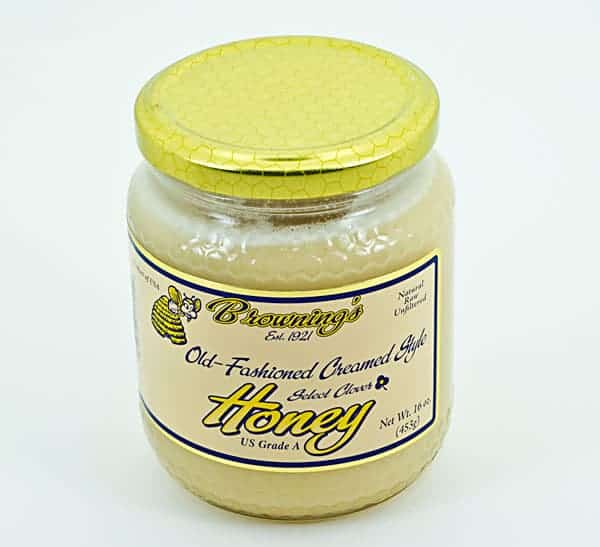
While creamed honey and whipped honey share similarities in terms of their texture and spreadability, there are notable differences between the two variations:
- Production Process: Creamed honey is achieved by controlling the crystallization process, while whipped honey is created through aeration.
- Consistency: Creamed honey has a smooth and thick consistency, similar to a spreadable butter, while whipped honey is light and fluffy, resembling whipped cream.
- Texture: Creamed honey has a velvety texture, while whipped honey has a frothy and airy texture.
- Flavor: Creamed honey has a subtle flavor profile, while whipped honey tends to have a milder taste, allowing the natural sweetness of the honey to be more prominent.
- Culinary Uses: Creamed honey is ideal for spreading on toast, biscuits, or incorporating into recipes that require a thicker consistency. Whipped honey is excellent for spreading on bread, pancakes, or adding to beverages.
- Stability: Creamed honey is more stable and less prone to crystallization or separation, while whipped honey may be more susceptible to changes in temperature and humidity.
Culinary Uses and Pairings

Both creamed honey and whipped honey can be enjoyed in various culinary applications. Here are some popular uses and pairings for each:
Creamed Honey:
- Spread plain or Flavored Creamed Honey on toast, bagels, biscuits, English muffins, or pancakes
- Drizzle over yogurt or oatmeal
- Incorporate into baking recipes for added sweetness and texture
- Pair with cheeses, such as goat cheese or brie, for a delightful contrast of flavors
- Use as a natural sweetener in teas, coffee, or smoothies
Whipped Honey:
- Spread on pancakes, waffles, or French toast
- Mix into whipped cream or yogurt for a sweet and airy topping
- Stir into hot beverages like tea or coffee for a touch of sweetness and flavor
- Pair with fresh fruits, such as berries or sliced apples, for a refreshing treat
- Use as a glaze or drizzle over desserts, like cakes or pastries, to add a light and sweet finish
Storage and Shelf Life
Proper storage is essential to maintain the quality and consistency of creamed honey and whipped honey. Here are some guidelines for storing these honey variations:
Creamed Honey:
- Store in a cool and dry place, away from direct sunlight and heat sources.
- Keep the jar tightly sealed to prevent moisture absorption.
- Avoid introducing any water or wet utensils into the container, as this can affect the texture and promote spoilage.
- If the creamed honey becomes too firm, you can gently warm it in a water bath or microwave for a few seconds to soften it before use.
Whipped Honey:
- Whipped honey should be stored in a cool and dry place, similar to creamed honey.
- Keep the container tightly sealed to prevent moisture absorption and maintain the whipped texture.
- Avoid exposing whipped honey to high temperatures, as this can cause it to become runny and lose its airy consistency.
Conclusion
In conclusion, creamed honey and whipped honey offer unique textures and flavors that can enhance your culinary experiences. Creamed honey is smooth, thick, and spreadable, while whipped honey is light, airy, and fluffy. Both variations have their own distinctive qualities and are enjoyed in different culinary applications. It’s important to store creamed honey and whipped honey properly to maintain their textures and flavors.
Whether you prefer the velvety consistency of creamed honey or the cloud-like fluffiness of whipped honey, these variations provide delightful options for honey enthusiasts.
Looking for more ways to use honey in the kitchen? Explore our collection of honey recipes for drinks, desserts, entrées, appetizers, and more.
Discover Browning’s Creamed Honey
At Browning’s Honey, we’ve been perfecting the art of Creamed Honey for generations. Our carefully controlled process creates the smooth, velvety texture that makes true creamed honey so distinctive, with no need for the airy consistency of whipped honey.
Prefer something beyond traditional creamed honey? Explore our collection of Flavored Creamed Honey, with varieties ranging from classic Cinnamon and Huckleberry to fruit-inspired favorites like Raspberry, Pomegranate, and Peach. Browse our Creamed Honey collection to find your favorite.