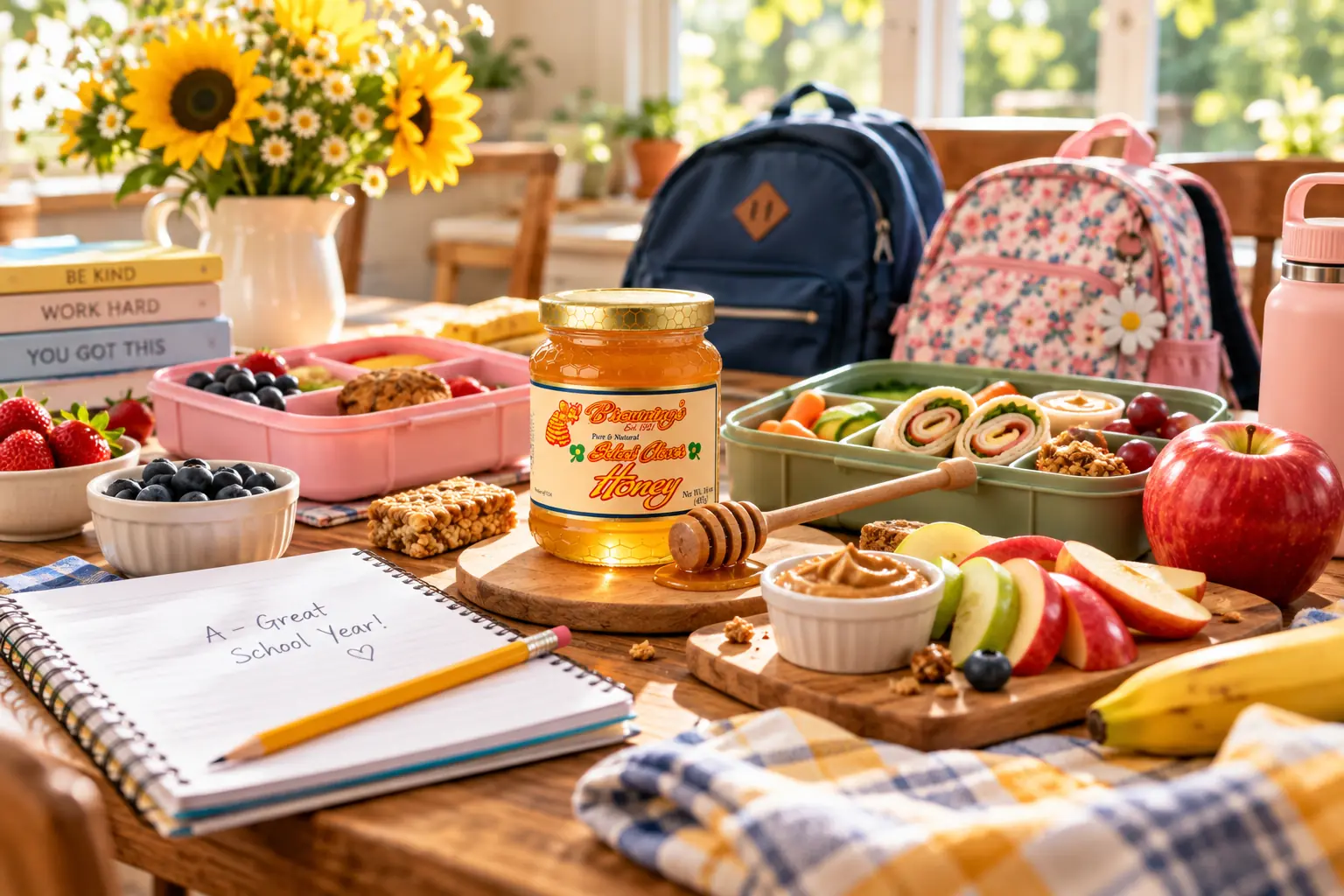
Back to School with Honey: Simple & Delicious Ways to Fuel Busy School Days
September 24, 2026
Browning's Honey
Buy Raw Honey Online
April 1, 2026
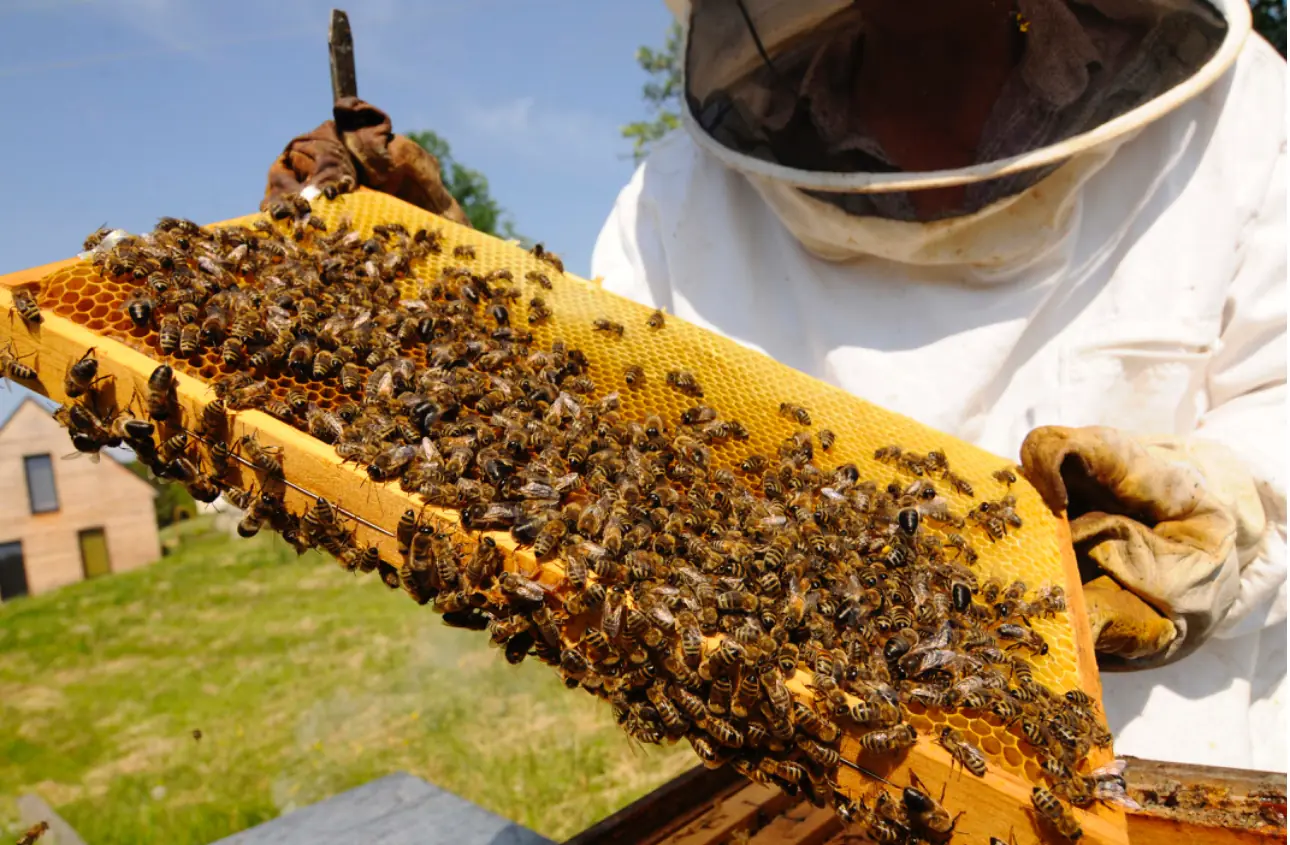
Spring in California is nothing short of magical. For a few short weeks, orchards explode into bloom—especially almonds. But behind that beauty is something even more powerful: millions of honeybees hard at work pollinating the crops that feed our nation.
At Browning’s Honey, pollination isn’t just part of our business—it’s at the heart of everything we do.
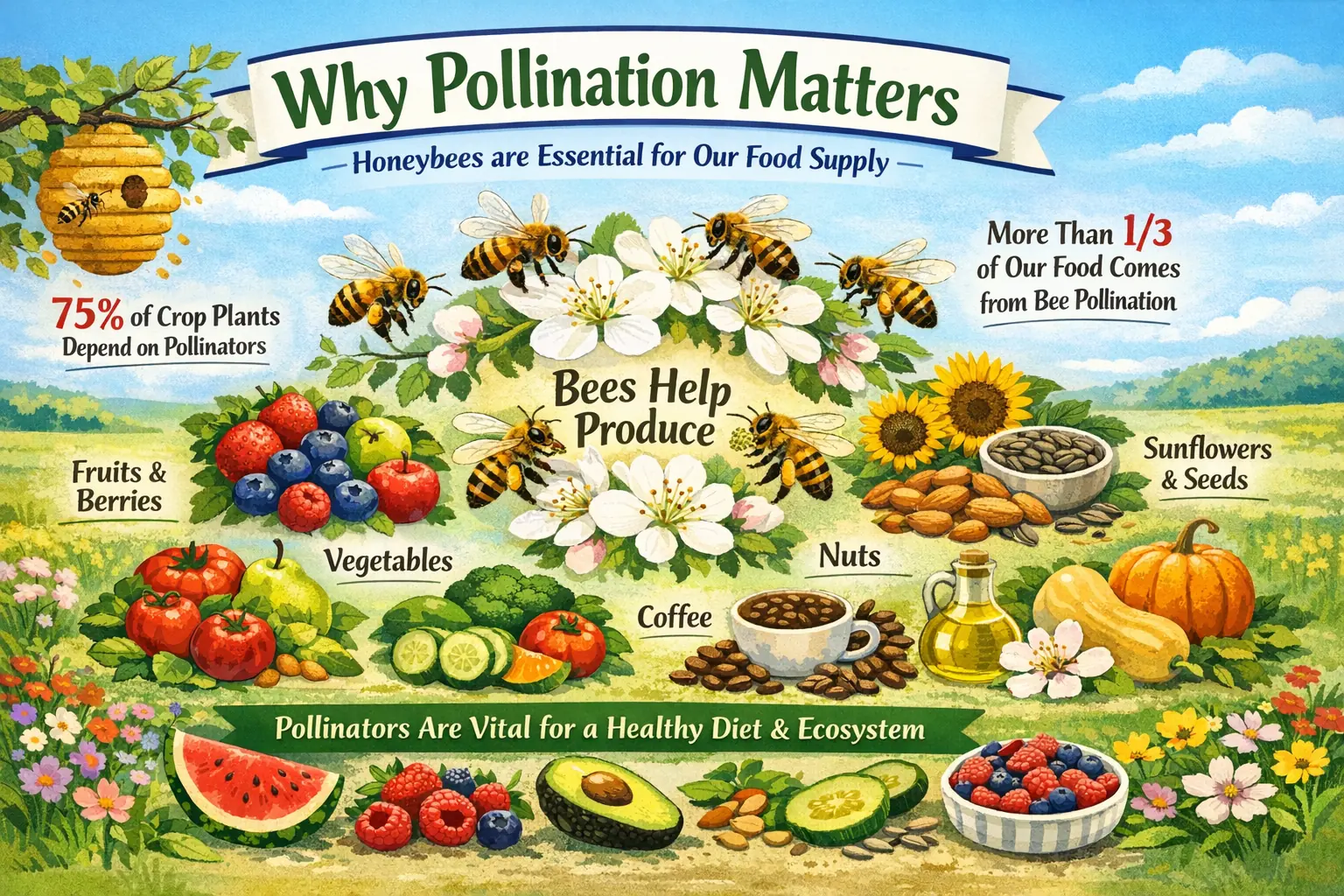
Pollination is essential for food production. Without it, many of the foods we enjoy every day simply wouldn’t exist.
Nearly one-third of the food we eat depends on pollinators, including:
Honeybees are the most reliable and efficient pollinators, making them absolutely critical to agriculture.
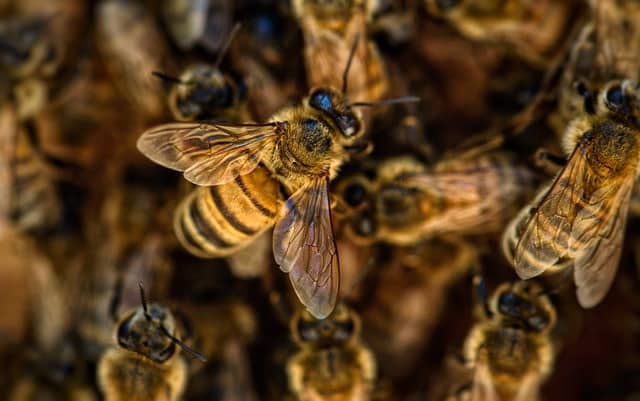
Honeybees are uniquely equipped for pollination:
✔️ They work together – A single hive can contain thousands of bees working as one
✔️ They stay loyal to one flower type – Increasing pollination success
✔️ They transfer pollen efficiently – Helping plants produce fruit
It’s a system perfected by nature—and one we rely on every day.
California produces over 80% of the world’s almonds, making it one of the largest pollination efforts on Earth.
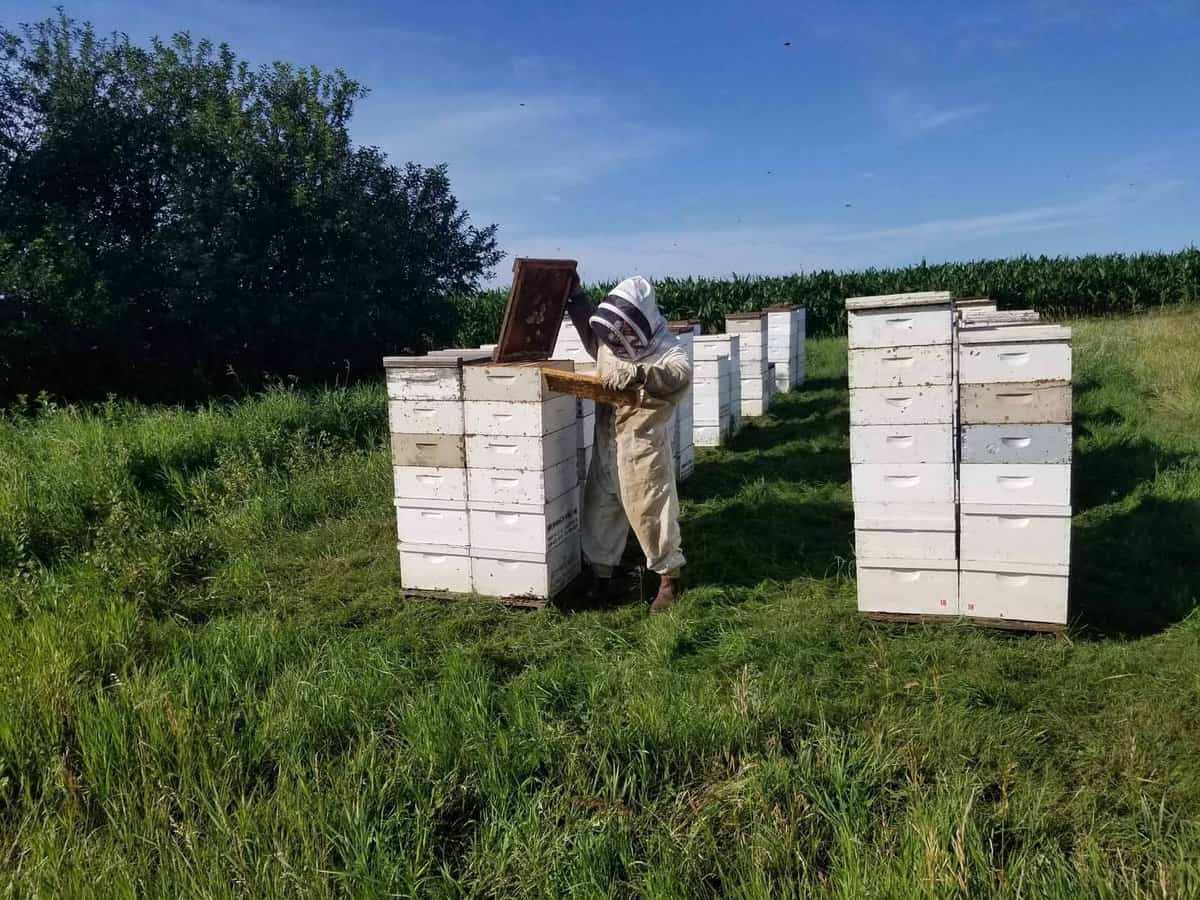
Because almond trees bloom for only a short time, beekeepers across the country—including Browning’s Honey—transport hives to California to meet this demand.
This means:
It’s a fast-paced, high-stakes season that plays a major role in our food supply.
Each year, our bees travel from their wintering grounds to California orchards, where they begin pollinating immediately.
After the bloom, they continue following nectar flows before returning home—bringing with them the nectar that becomes the honey you love.
Strong pollination starts with healthy bees.
At Browning’s Honey, we focus on:
Because healthy bees mean healthy crops—and a stronger food system for everyone.
The same bees that pollinate crops go on to produce honey, connecting agriculture directly to your kitchen.
Every jar of Browning’s Honey represents:
When you support real, responsibly produced honey, you’re supporting:
Pollination doesn’t just impact farmers—it affects entire ecosystems. Healthy pollinator populations support biodiversity, improve crop quality, and help stabilize our food supply year after year. As challenges like weather, habitat loss, and changing agricultural demands continue to evolve, the role of responsible beekeeping becomes even more important. By caring for honeybees and supporting sustainable practices, we’re not just producing honey—we’re helping ensure future generations have access to the foods and resources we often take for granted.
The next time you enjoy a spoonful of honey, remember—
you’re tasting the work of millions of bees helping feed the world.
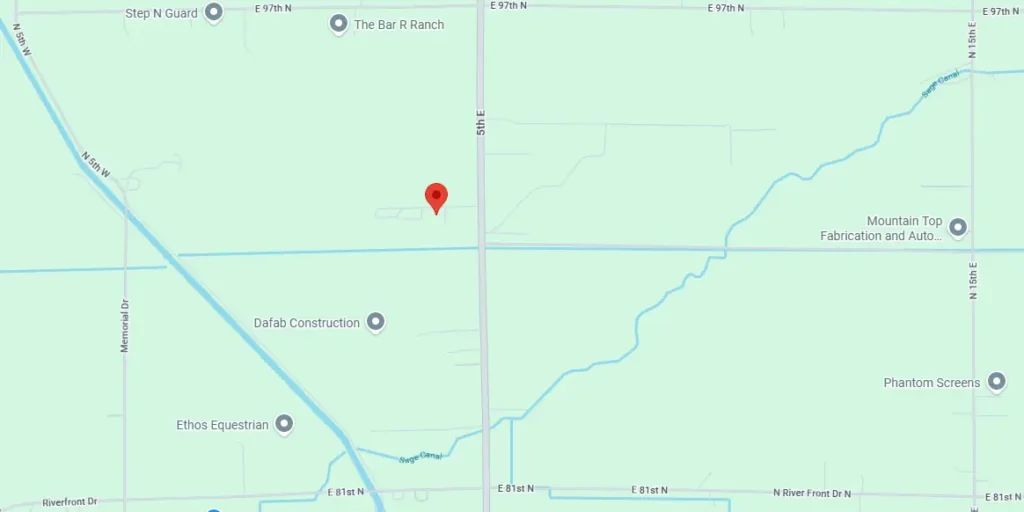
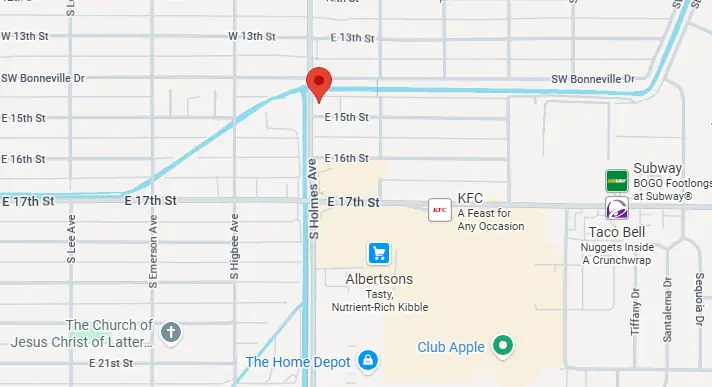
Stop by one of our shops or visit us online to learn more about our honey,
our bees, and the role we play in pollination across the country.
September 24, 2026
August 20, 2026
July 23, 2026
July 16, 2026