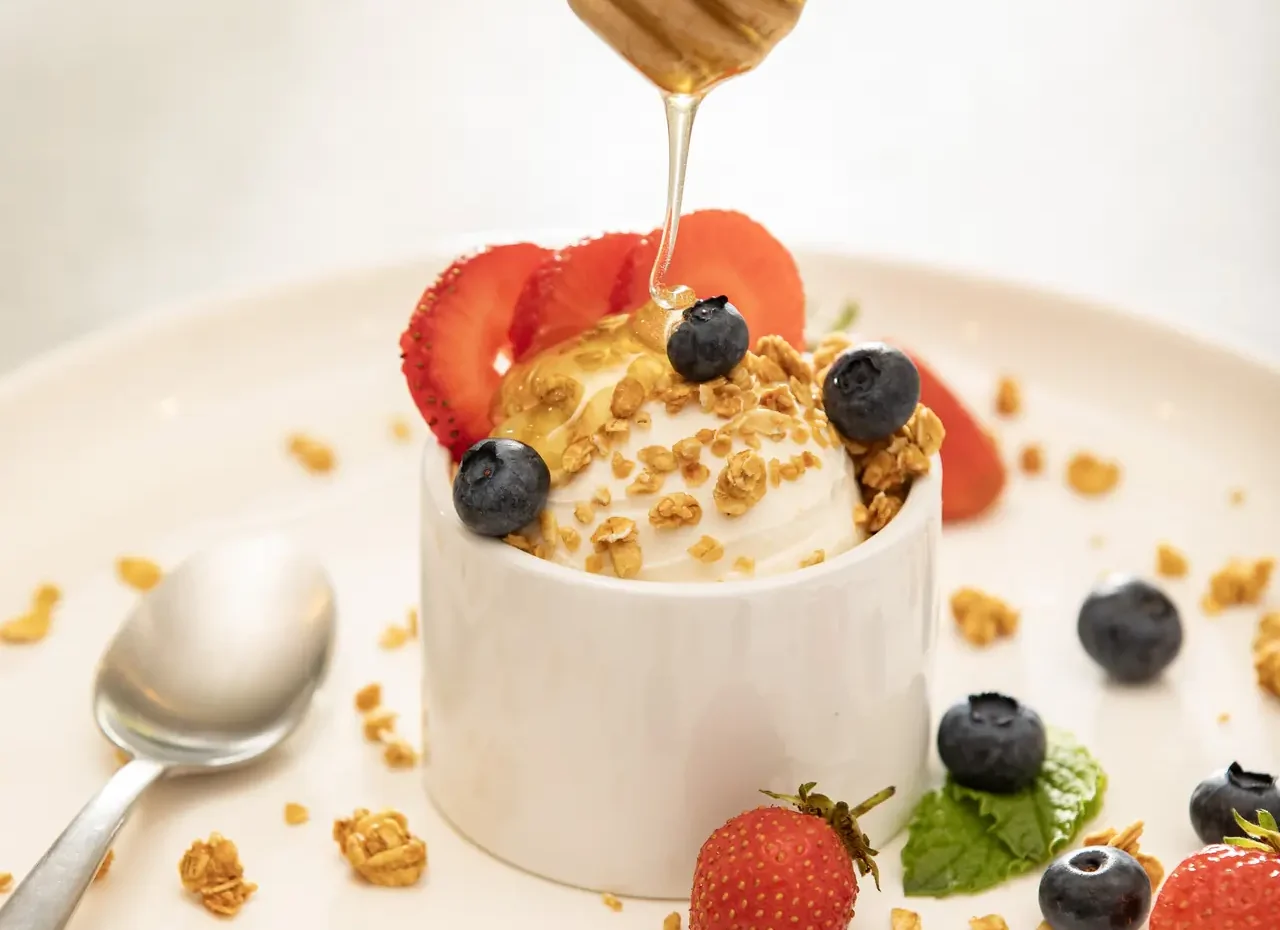
Back to School with Honey: Simple & Delicious Ways to Fuel Busy School Days
September 24, 2026
Browning's Honey
Buy Raw Honey Online
July 23, 2026
Discover how flowers change the flavor of honey
There’s a common misconception that honey is simply “honey”—sweet, golden, and all the same. But if you’ve ever sampled different honey varieties side by side, you know that couldn’t be further from the truth. Honey is one of nature’s most remarkable foods because its flavor is shaped almost entirely by the flowers from which bees collect nectar. Understanding how flowers change the flavor of honey helps explain why every variety has its own unique taste, aroma, color, and texture.
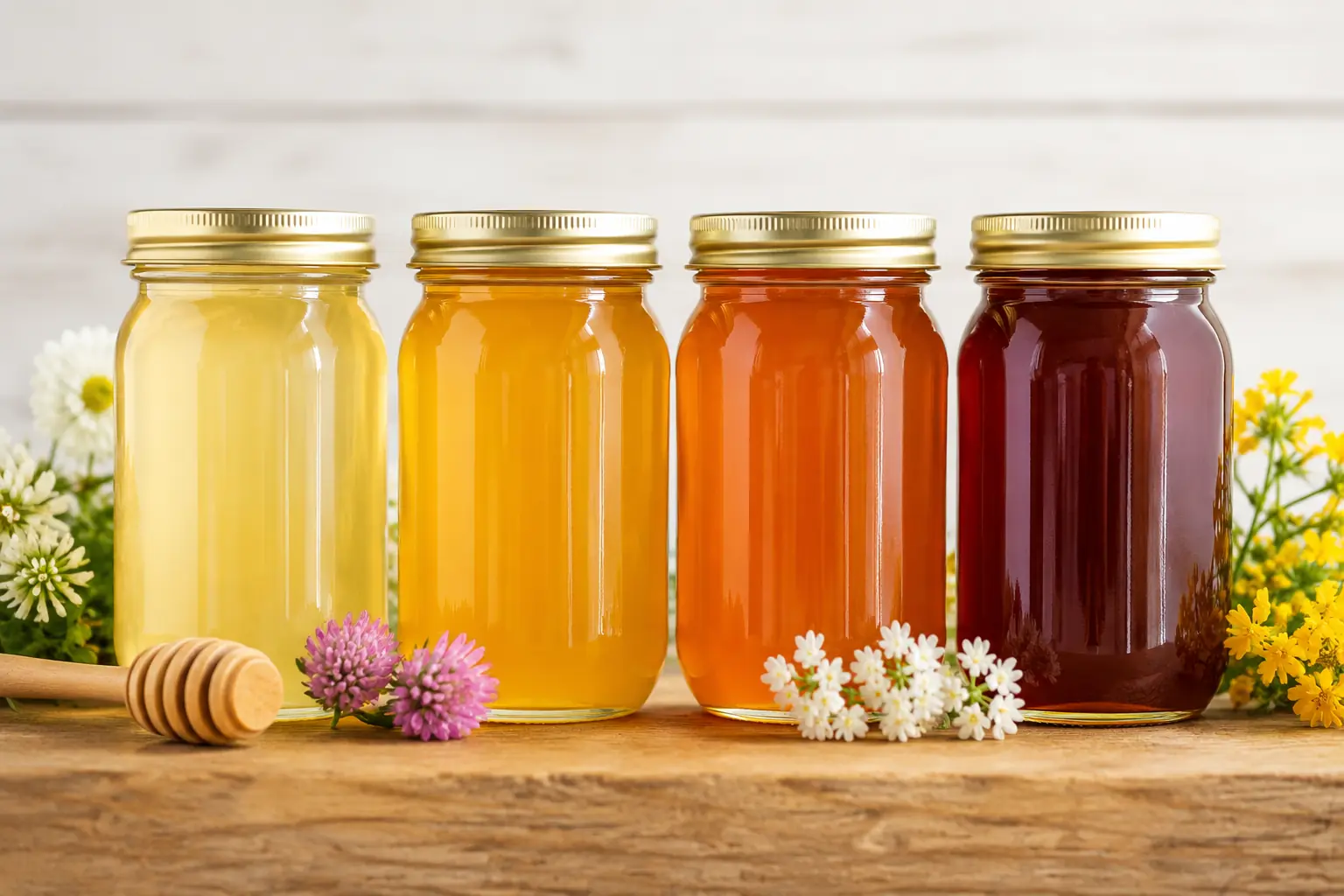
Just as grapes influence the flavor of wine or coffee beans determine the taste of your morning brew, the blossoms visited by honeybees create unique flavors, colors, aromas, and textures in every batch of honey. From the light, delicate sweetness of clover to the bright citrus notes of orange blossom, each honey variety tells the story of the landscape where it was made.
At Browning’s Honey, we’ve spent five generations watching our bees transform nectar into honey, and every harvest reminds us that no two floral sources are exactly alike. Every jar is a snapshot of a blooming season.
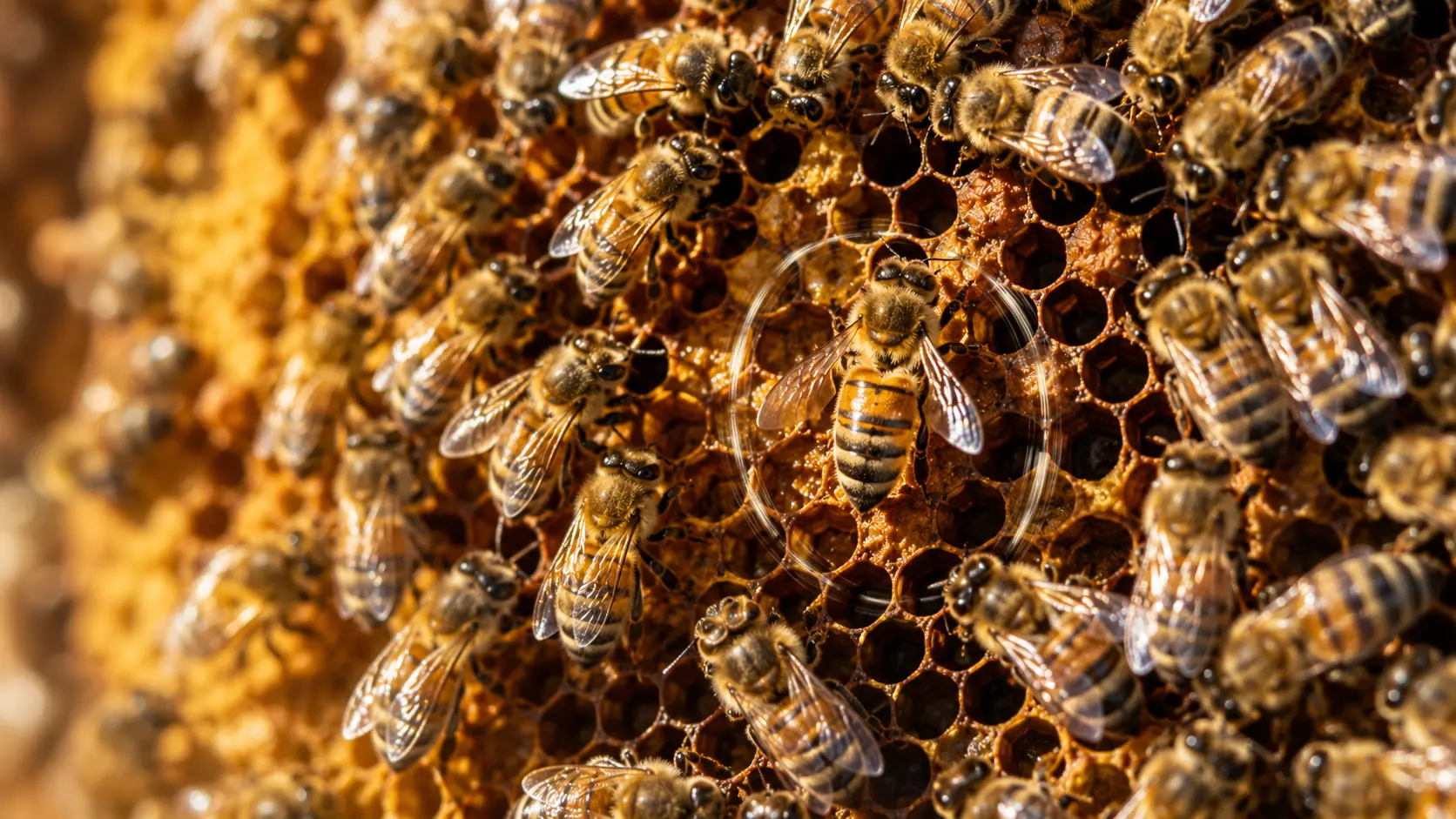
As bees collect nectar, enzymes begin transforming it into honey. Once back at the hive, other worker bees continue processing it before storing it inside honeycomb cells. After moisture is reduced to about 17–18%, the bees seal the honey with a wax cap, preserving it naturally.
Because every flower produces slightly different nectar, every honey develops its own personality.
Some are buttery.
Some are fruity.
Some have floral aromas.
Others develop rich caramel notes.
That’s why experienced honey lovers often compare honey tasting to wine tasting.
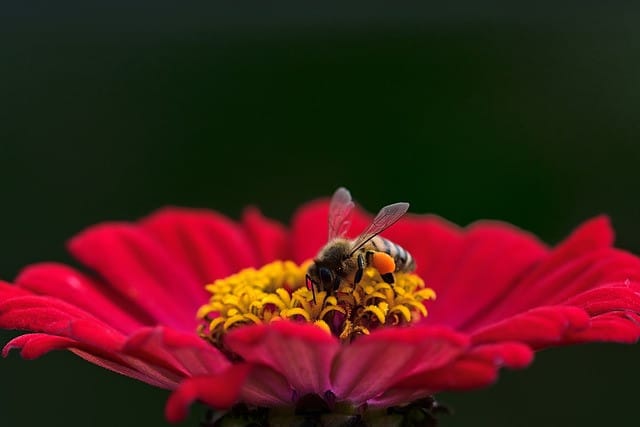
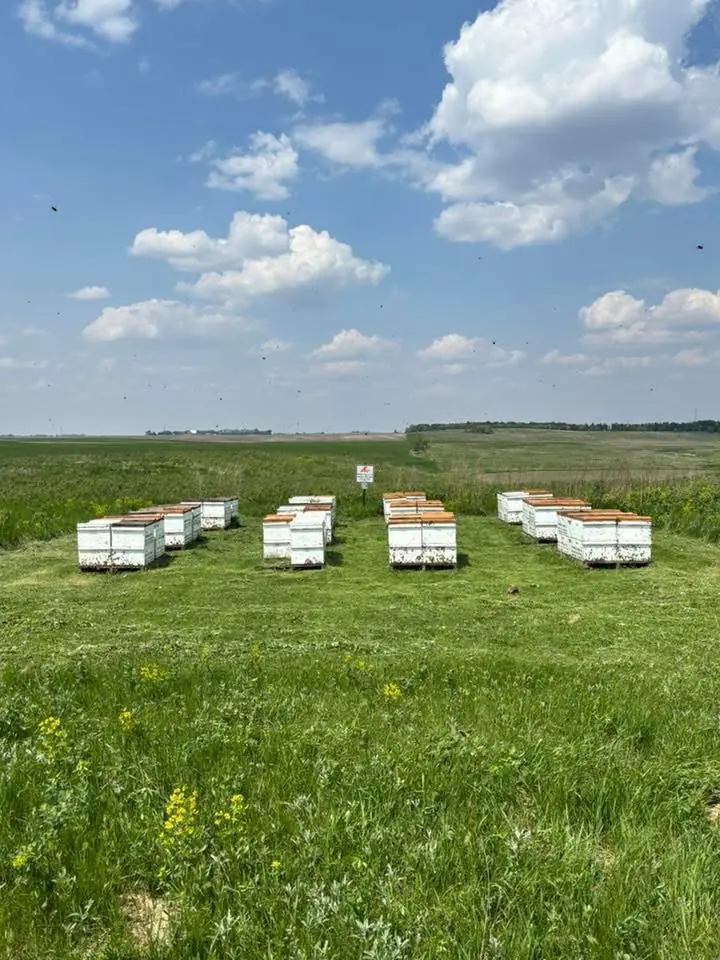
During the spring and summer, worker bees leave the hive searching for blooming flowers. A single foraging bee may visit 50 to 100 flowers on one trip, collecting tiny amounts of nectar from each blossom.
When large fields of the same flower are blooming—such as clover or alfalfa—the bees tend to concentrate on that abundant nectar source. This allows beekeepers to harvest what is called a monofloral honey, meaning the nectar comes primarily from one type of flower.
When many different flowers bloom together, bees gather nectar from a mixture of blossoms, producing what we know as wildflower honey.
The floral source becomes the fingerprint of that honey.
Scientists have identified an incredibly complex mixture of natural compounds in honey. In one systematic review alone, researchers identified 187 different volatile compounds across 33 types of honey. These compounds—along with honey’s natural sugars, organic acids, amino acids, minerals, and other plant-derived components—help create the distinctive flavors and aromas we experience in different honey varieties.
These include:
Together they create an incredibly complex flavor profile.
Even weather can influence honey.
A rainy spring may produce lighter nectar.
A hot, dry summer may concentrate sugars, resulting in darker, richer honey.
That means every harvest is unique—even from the same apiary.
Now that we’ve explored how flowers change the flavor of honey, let’s look at some of the floral varieties our bees collect and the flavors each one creates.
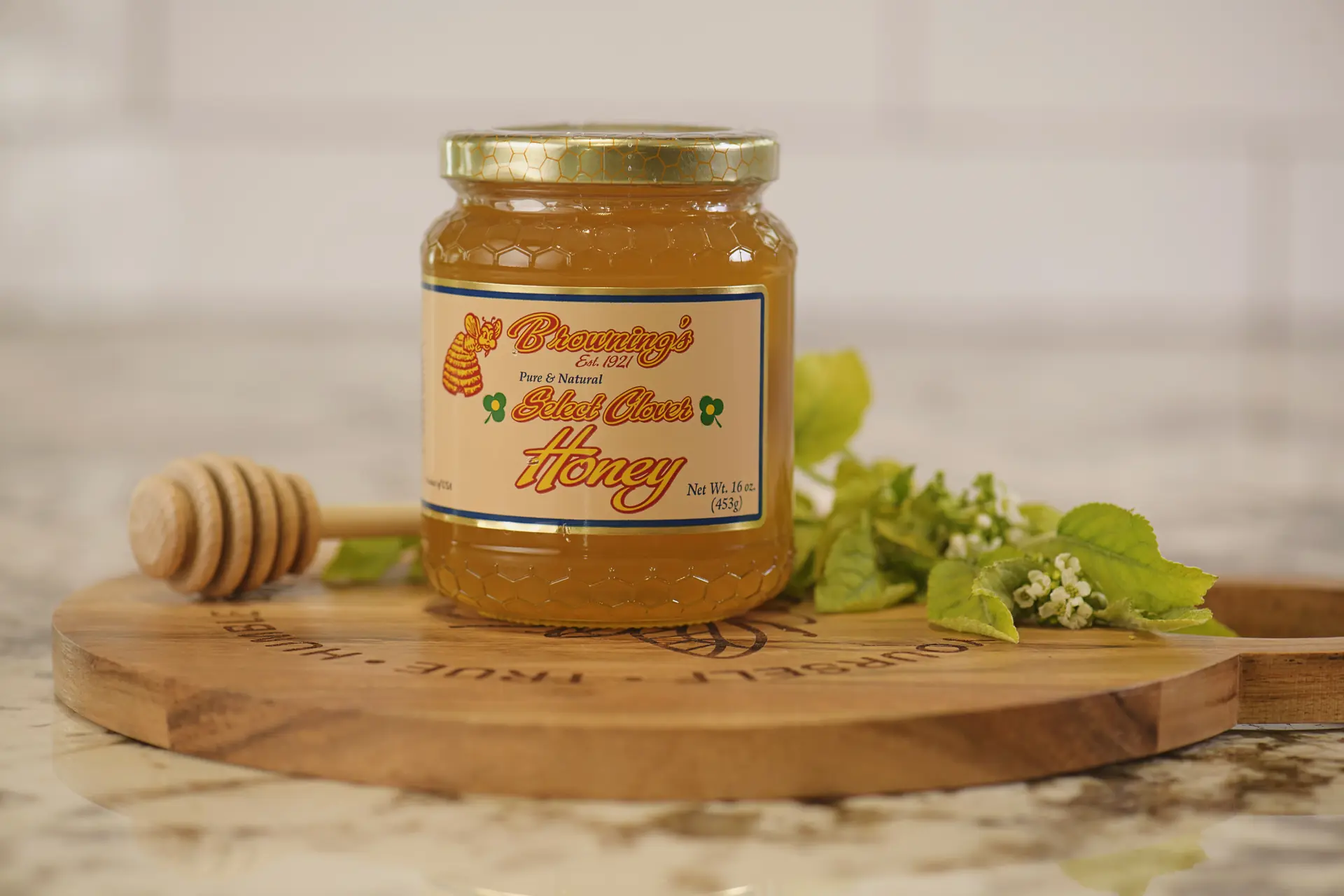
Clover honey is one of America’s most recognizable varieties, and for good reason.
It has a:
Because of its balanced flavor, clover honey is incredibly versatile.
It’s perfect for:
If you’re introducing someone to raw honey for the first time, clover is often the ideal choice.
Alfalfa fields produce a honey that’s slightly more complex than clover while remaining pleasantly mild.
You’ll often notice:
Many people enjoy alfalfa honey in homemade bread, biscuits, yogurt, and salad dressings because it adds sweetness without overpowering other flavors.
Star Thistle Honey is one of our favorite varietals thanks to its smooth flavor and exceptional versatility.
Harvested when bees gather nectar primarily from blooming star thistle flowers, this honey is known for its:
• Light amber color
• Rich, buttery sweetness
• Smooth, clean finish
• Delicate floral notes
Its balanced flavor makes it an excellent everyday honey while offering just a bit more character than milder varieties. It pairs beautifully with fresh biscuits, charcuterie boards, roasted vegetables, marinades, and even a simple drizzle over yogurt or oatmeal.
If you’re looking to explore something beyond traditional clover honey, Star Thistle Honey offers a wonderfully smooth introduction to the world of specialty varietal honeys.
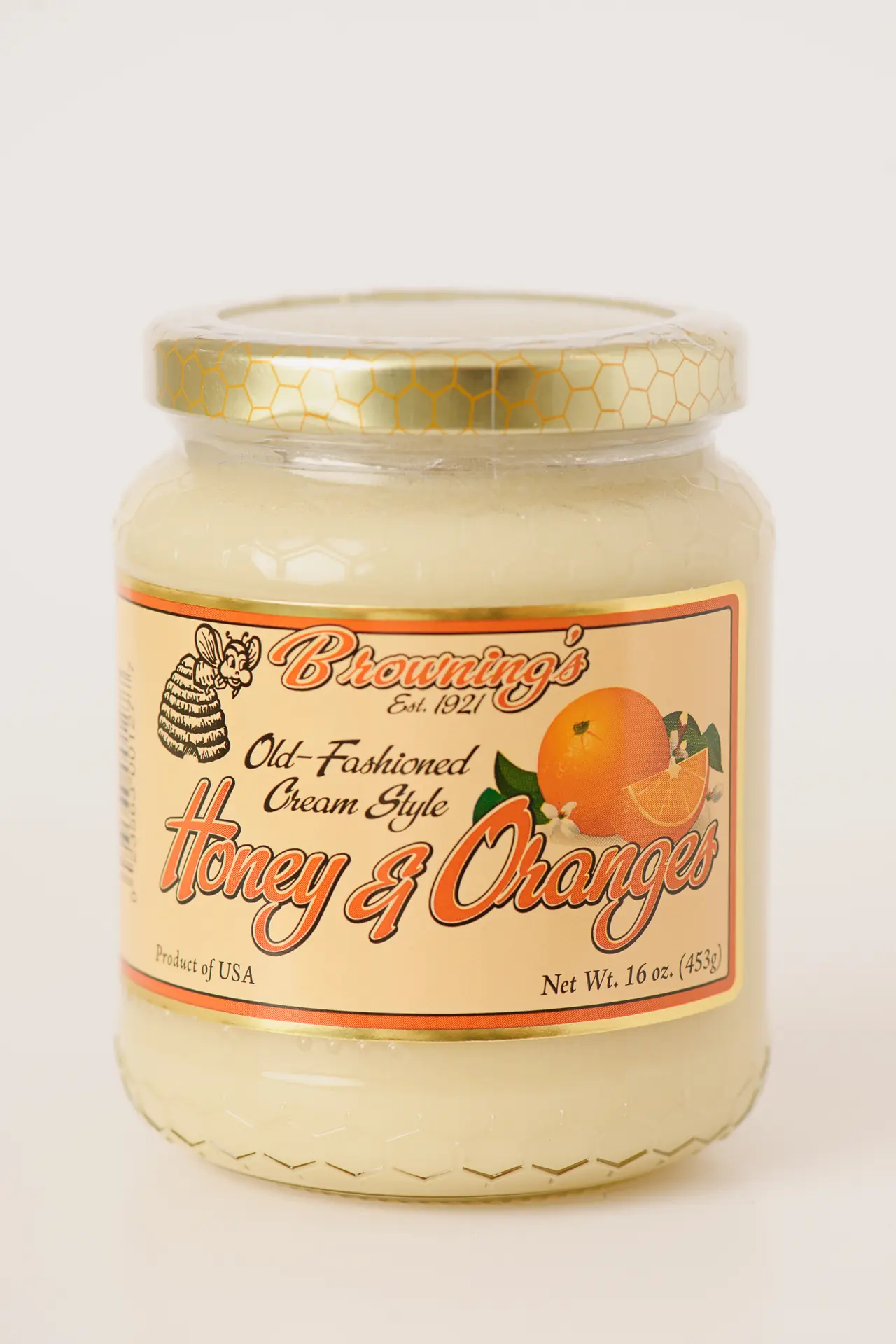
One of our most popular specialty honeys is Orange Blossom Honey.
Produced while citrus trees are in bloom, it has an unmistakable character.
Expect:
Many customers love using Orange Blossom Honey in:
Its subtle citrus notes can elevate both sweet and savory recipes.
Many people assume creamed honey contains butter or cream.
It doesn’t.
Creamed honey begins as 100% pure honey.
It is carefully controlled during crystallization to create tiny, smooth crystals that produce a rich, spreadable texture.
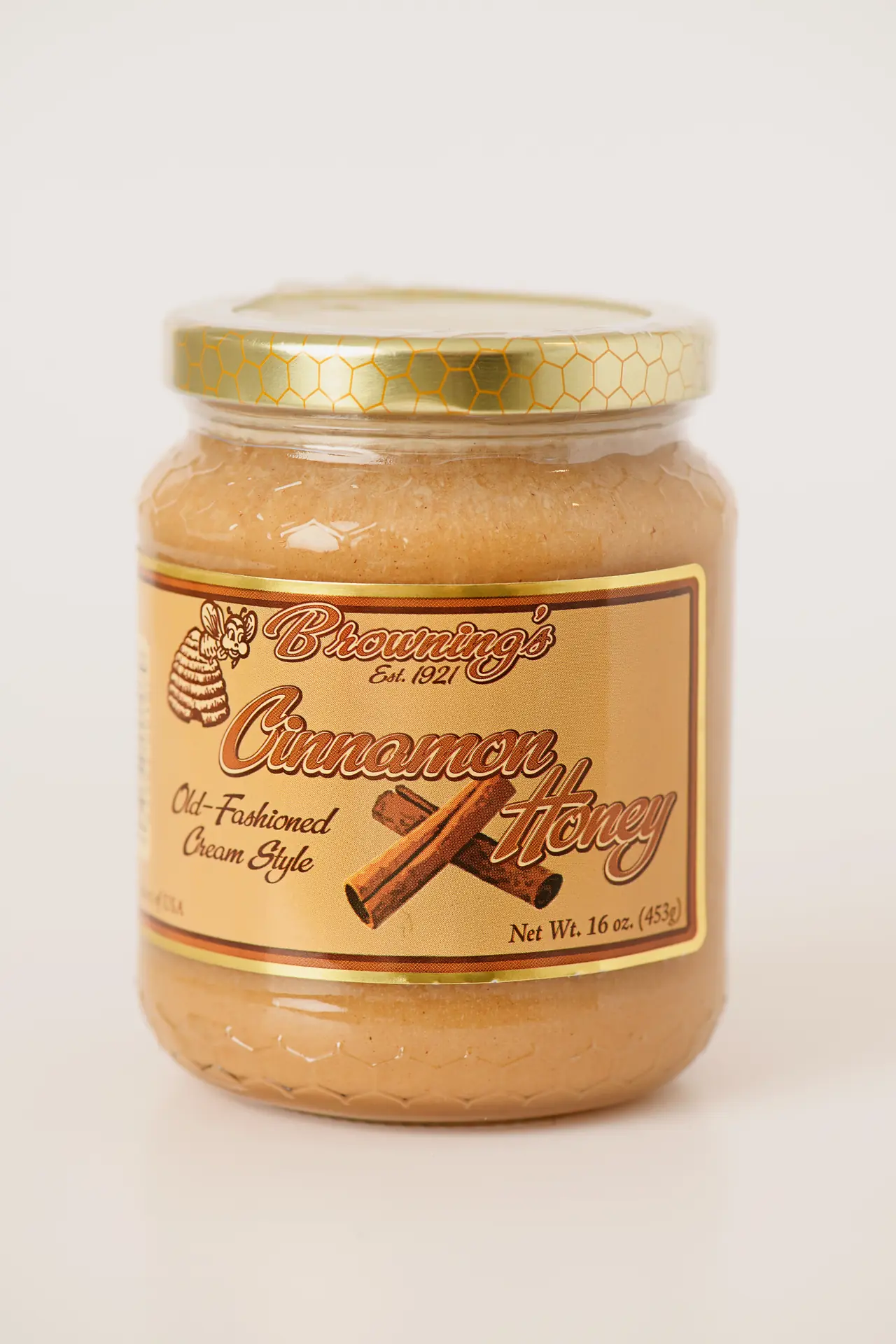
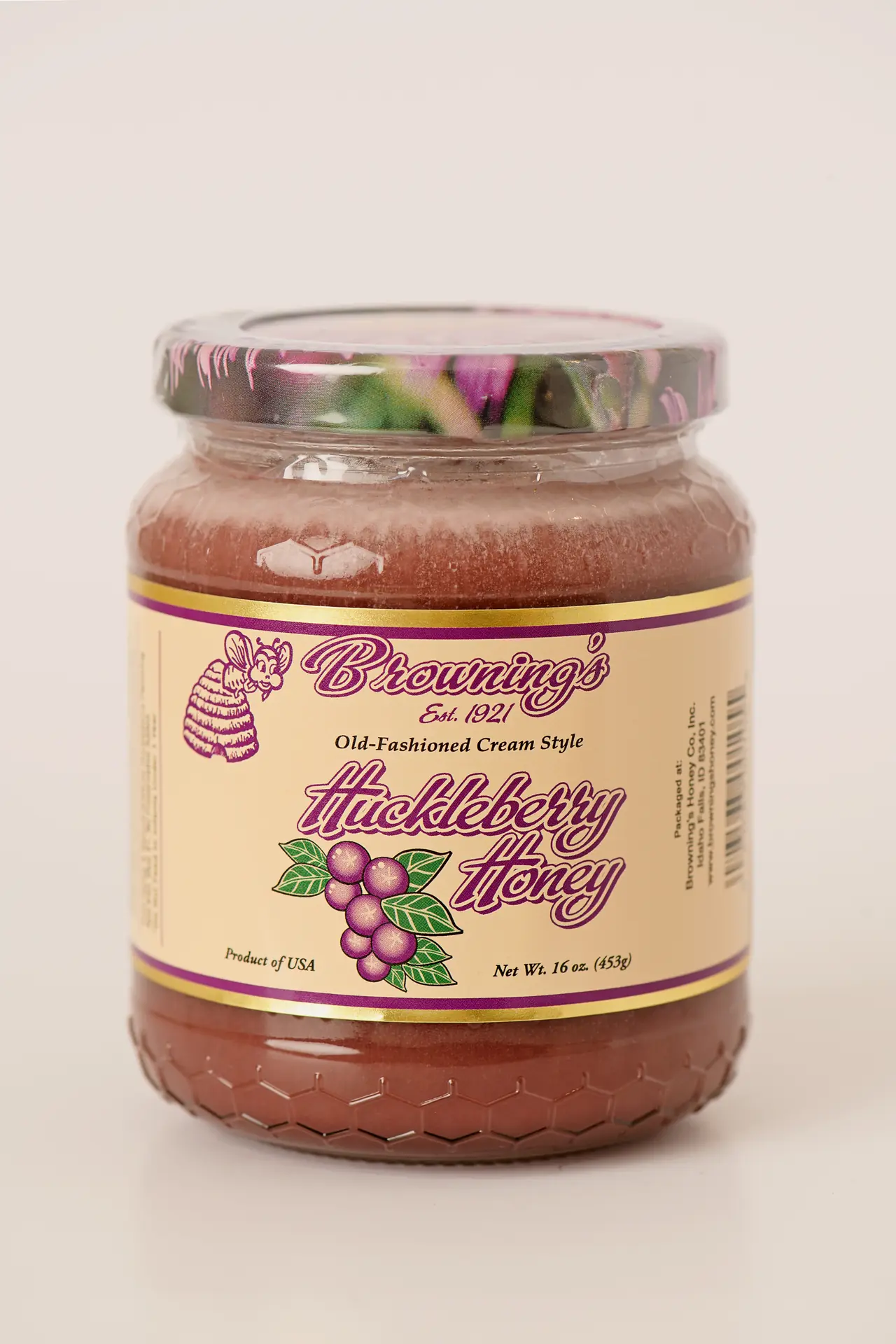
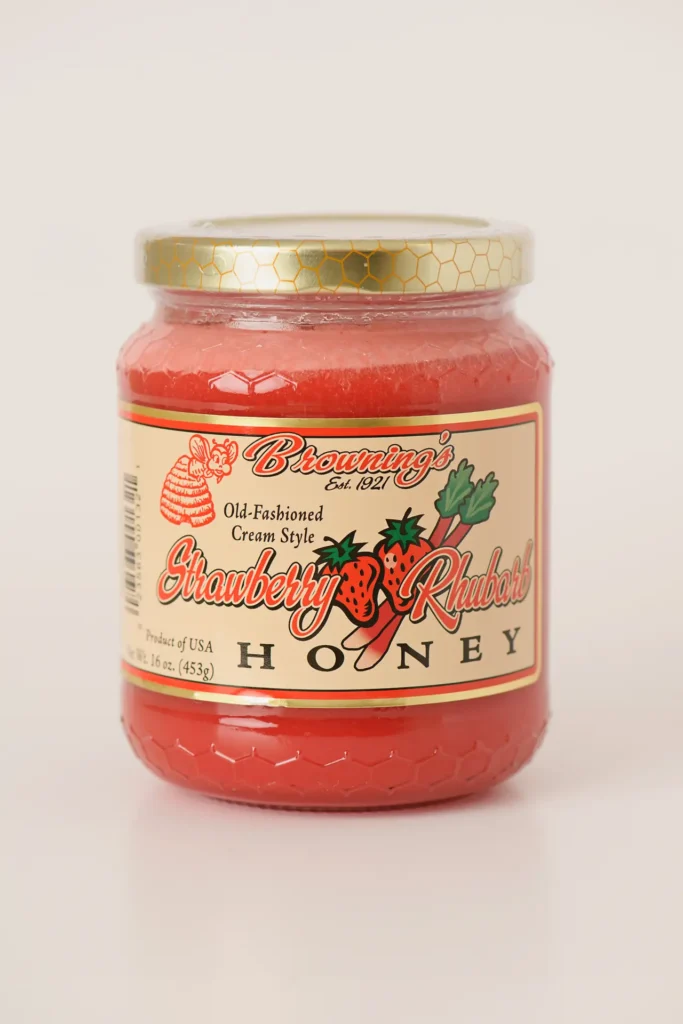
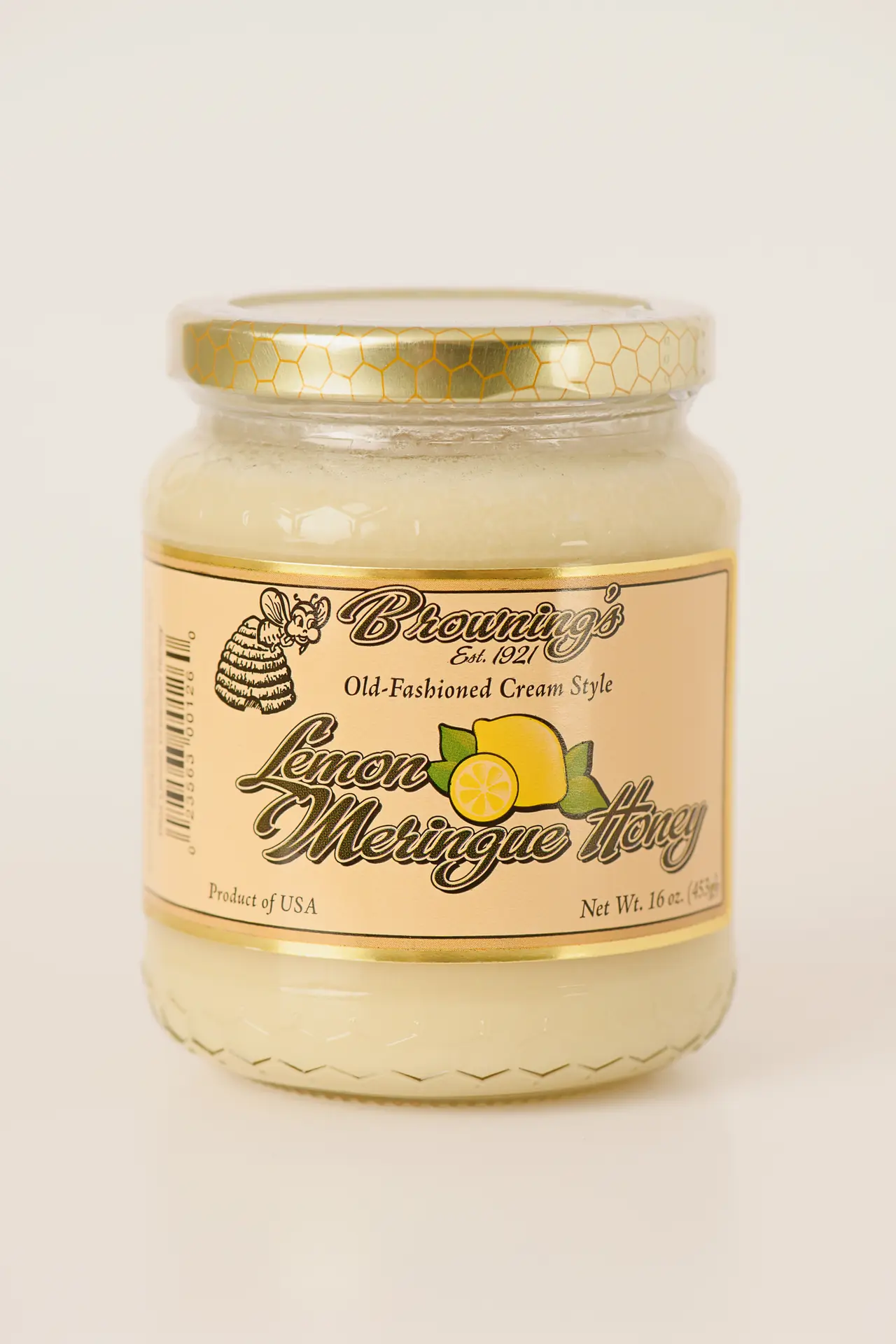
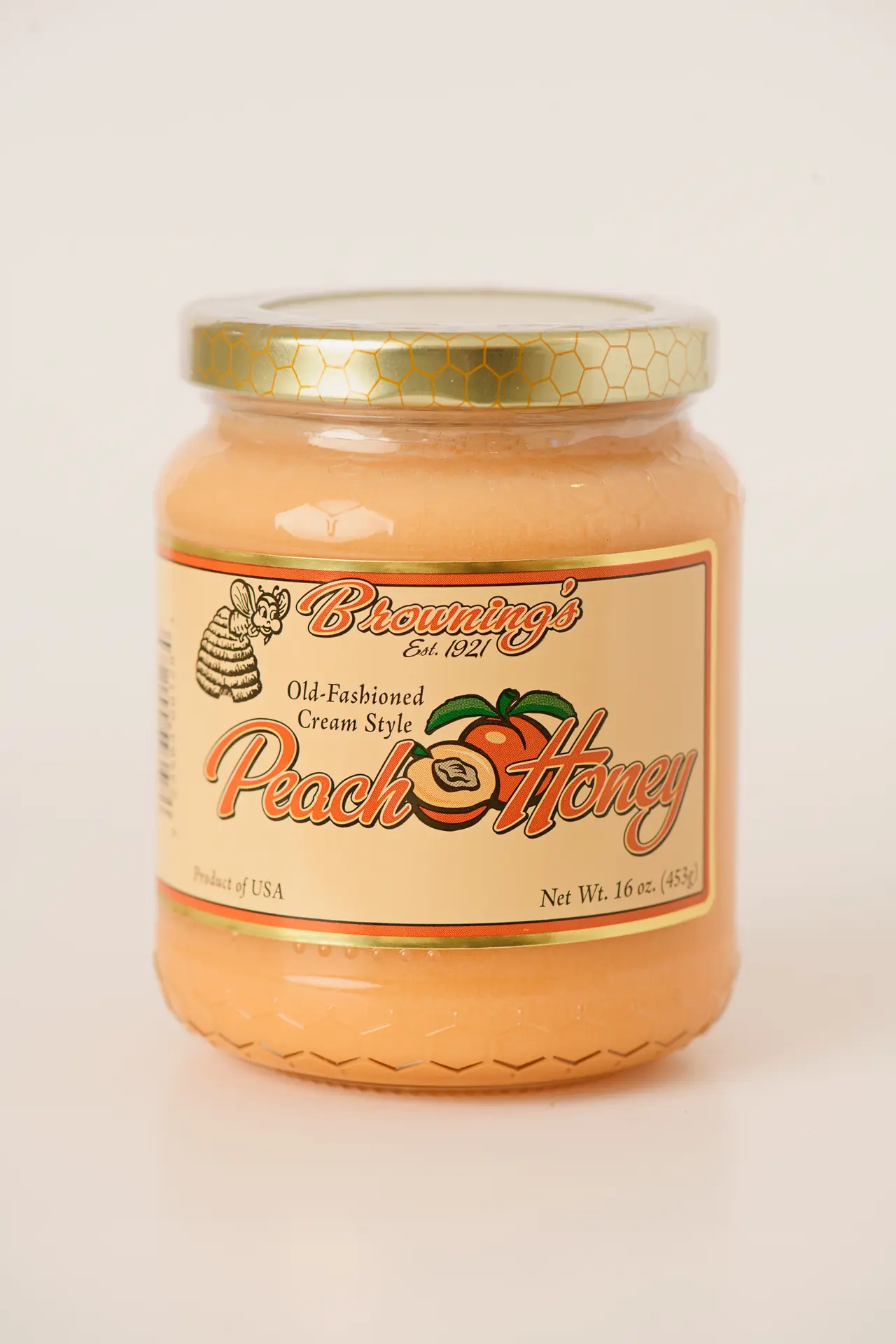
At Browning’s Honey, we also create flavored creamed honeys by blending pure honey with high-quality natural ingredients.
These varieties offer all the goodness of pure honey while introducing exciting new flavor combinations perfect for toast, biscuits, desserts, and charcuterie boards.
Want to try some for yourself? Click here!
One of the first things you’ll notice when comparing honey varieties is color.
Honey naturally ranges from nearly clear to deep amber.
Generally speaking:
Lighter honeys tend to have:
Darker honeys often feature:
Color alone doesn’t determine quality.
Every shade reflects the flowers that produced the nectar.
So, we’ve discussed how flowers change the flavor of honey. But did you know that different flowers also affect how quickly honey crystallizes.
Honey naturally contains two primary sugars:
Varieties higher in glucose tend to crystallize sooner.
This is completely natural and actually confirms your honey hasn’t been overly processed.
Crystallized honey is just as delicious.
If you’d like to return it to a liquid state, simply place the jar in warm—not boiling—water and allow it to gently liquefy.
Check out our previous post, The Science Behind Crystallized Honey, to learn more about this.
Choosing the right honey can transform a meal.
Here are a few of our favorite pairings:
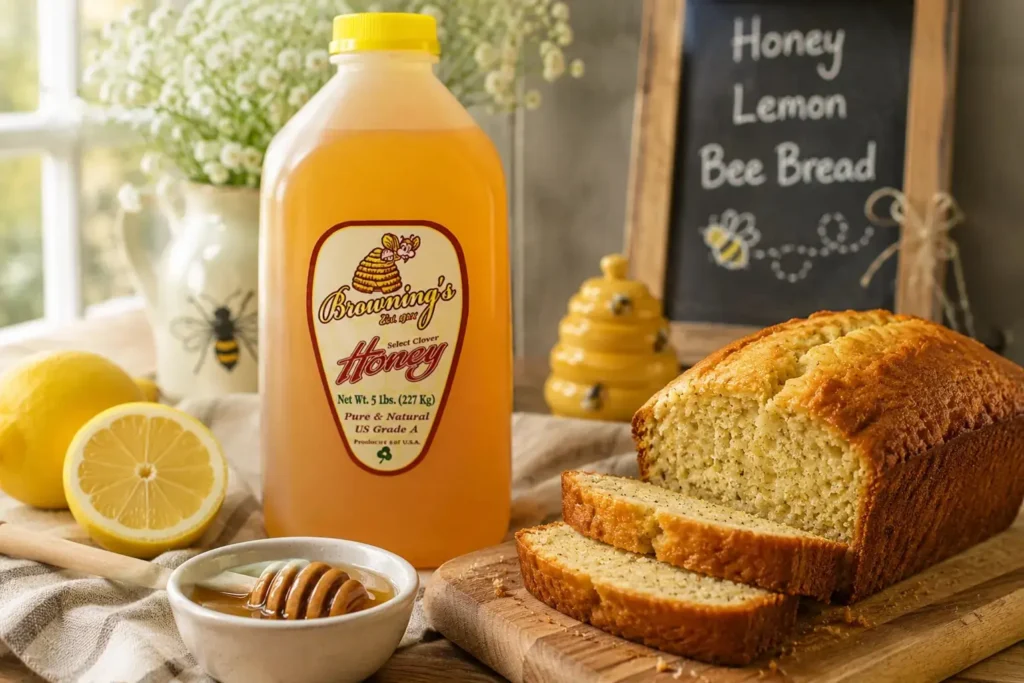
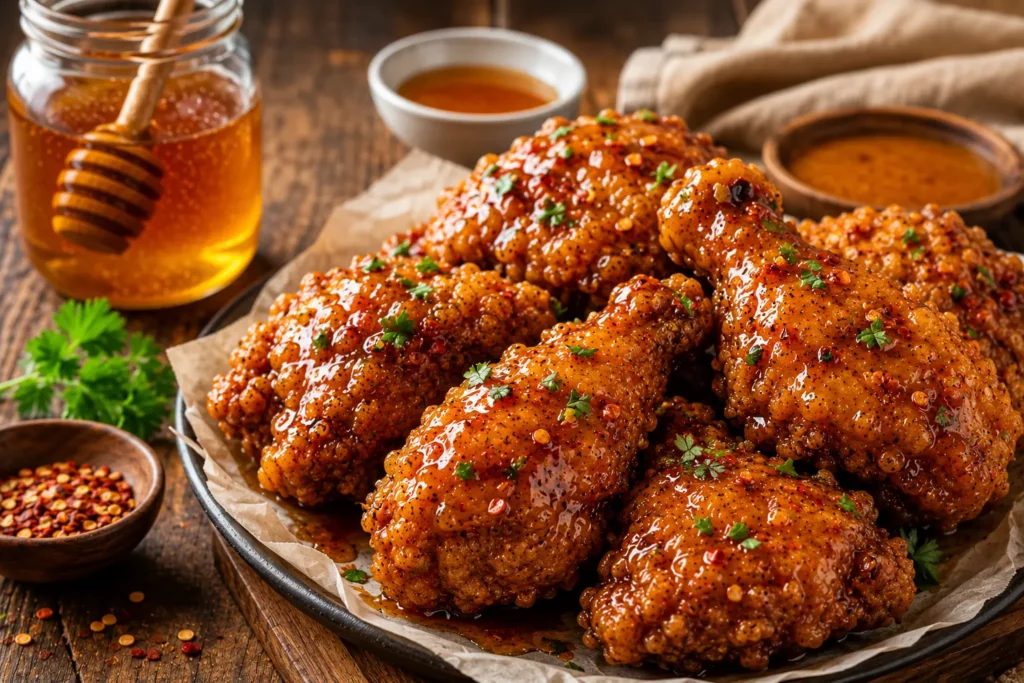
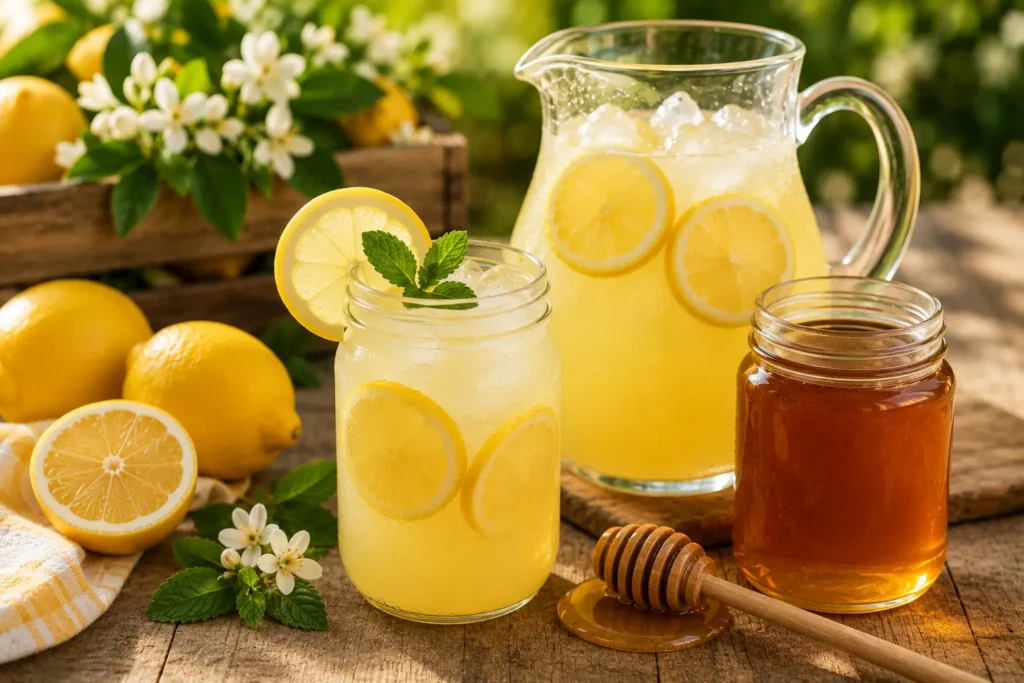
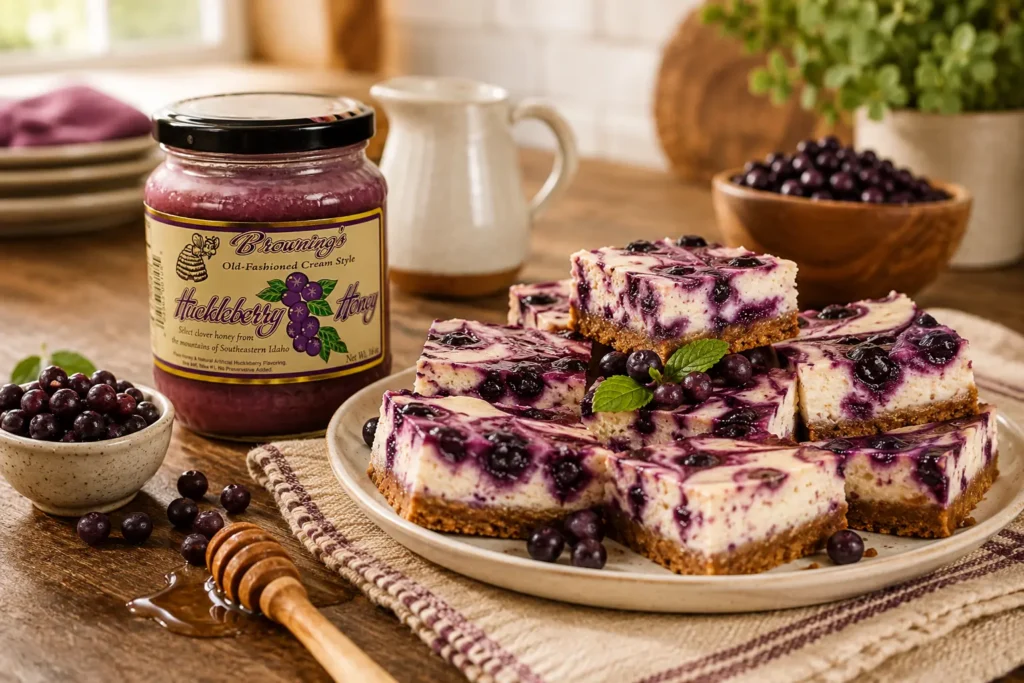
Experimenting with different floral varieties is one of the best ways to discover new favorite recipes.
By understanding how flowers change the flavor of honey, it’s easier to choose the variety that best matches your favorite foods and recipes.
There isn’t a “best” honey.
There’s simply the best honey for your taste.
If you enjoy light sweetness, clover may become your everyday favorite.
If you appreciate complexity, Star Thistle might be your go-to.
If you love bright citrus flavors, orange blossom is difficult to beat.
The beauty of honey is that every jar tells a story about the flowers, the season, the weather, and the hardworking bees that made it possible.
No artificial flavoring.
No shortcuts.
Just nature doing what it has perfected for millions of years.
Every jar is a perfect example of how flowers change the flavor of honey, capturing the unique nectar available during a single blooming season. So, the next time you drizzle honey into your tea or spread it across warm toast, take a moment to appreciate everything inside that jar. Every drop represents thousands of flowers visited, countless miles flown by hardworking honeybees, and the changing seasons that shape each harvest.
At Browning’s Honey, we’re proud to bottle honey that reflects the landscapes our bees call home. Whether you prefer the familiar sweetness of clover, the bright notes of orange blossom, the complexity of wildflower, or one of our handcrafted creamed honey varieties, you’re tasting the unique signature of the flowers that made it possible.
We invite you to explore our collection of pure, natural, and raw honey and discover your favorite floral flavor. You may be surprised by just how different one blossom can taste from another.
Ready to bring the story home?
➡️ Explore Our Creamed Honey Collection
➡️ Visit Our Idaho Falls Stores
📍 9019 N 5th E
📍 1475 S. Holmes Ave
There’s always something new to discover in the world of honeybees, honey, and cooking with nature’s sweetest ingredient.
Learn More About Honey Bees
Curious about what happens before honey ever reaches the jar? Explore more stories from the hive:
Subscribe to The Buzz from Browning’s for weekly recipes, bee facts, special events, and exclusive offers delivered straight to your inbox.
Thank you for visiting Browning’s Honey. Whether you’re here to learn, cook, shop, or simply enjoy the fascinating world of honey bees, we’re grateful to be part of your journey.
.
September 24, 2026
August 20, 2026
July 16, 2026
July 10, 2026