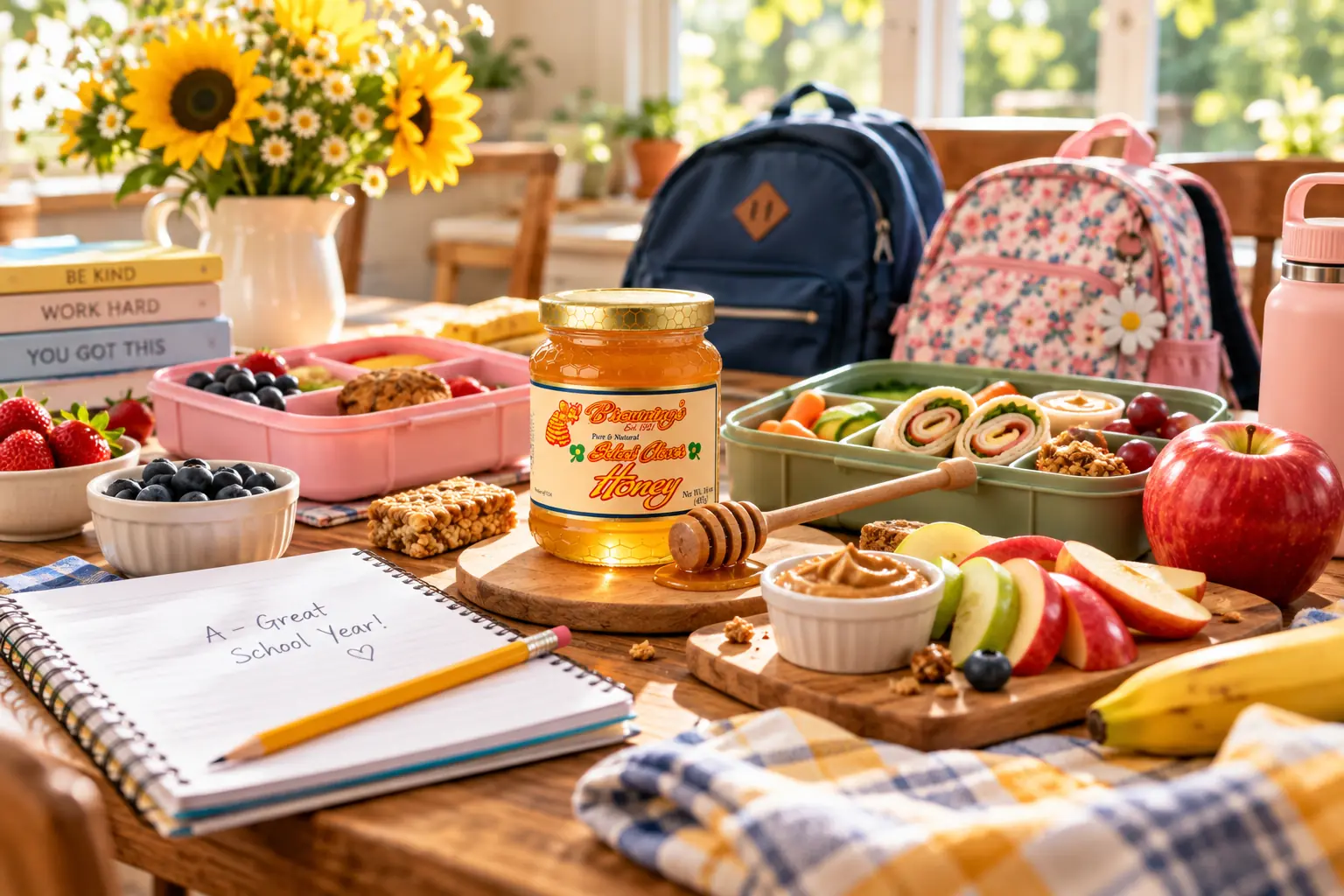
Back to School with Honey: Simple & Delicious Ways to Fuel Busy School Days
September 24, 2026
Browning's Honey
Buy Raw Honey Online
May 28, 2026
Walk down the honey aisle at almost any grocery store and you’ll notice something surprising — nearly every jar looks wholesome, natural, and “pure.”
But not all honey is created equal.
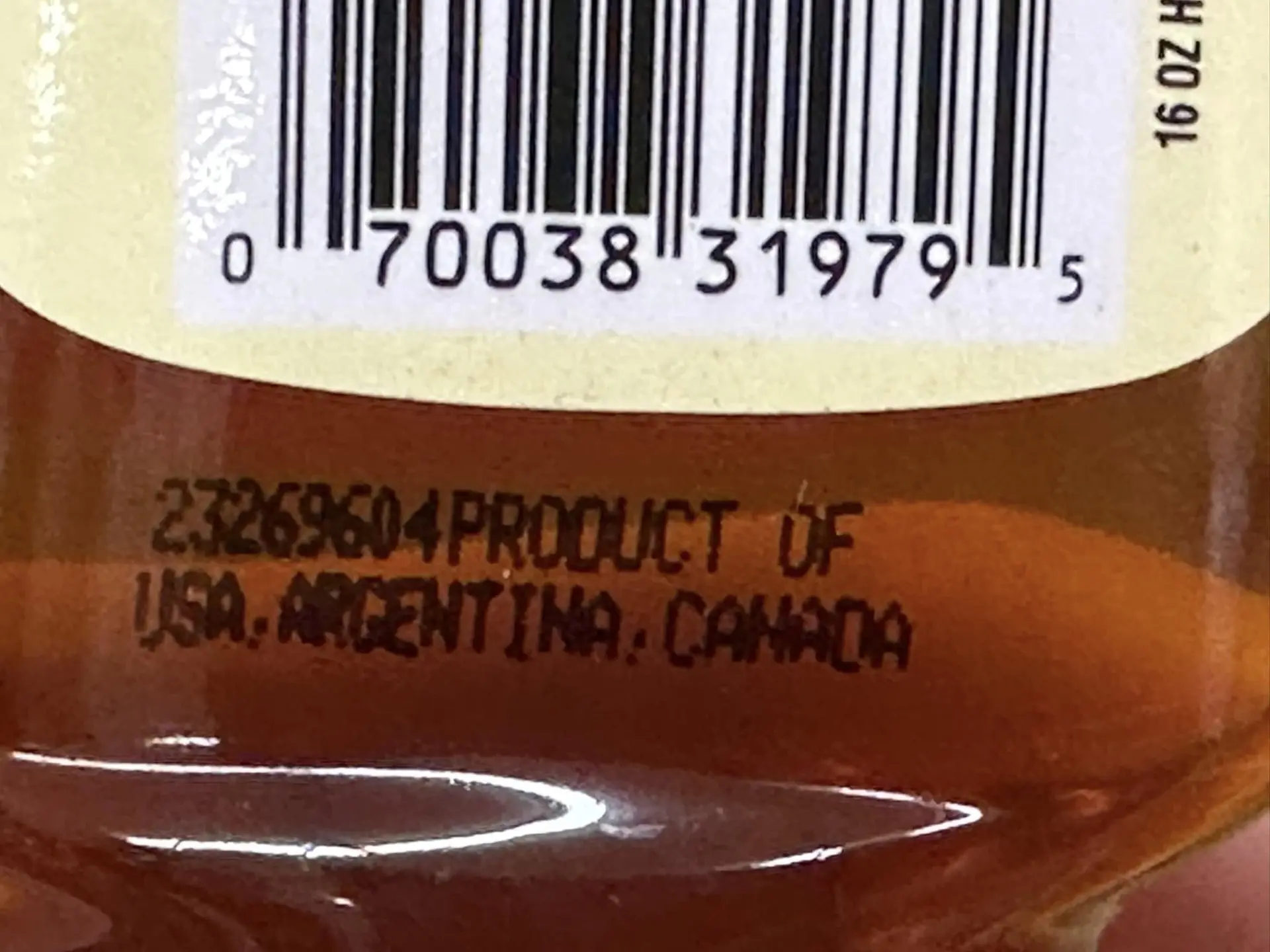
Many consumers don’t realize that honey labels can be confusing, and important details about where the honey comes from, how it was processed, and who actually produced it are often hidden in small print.
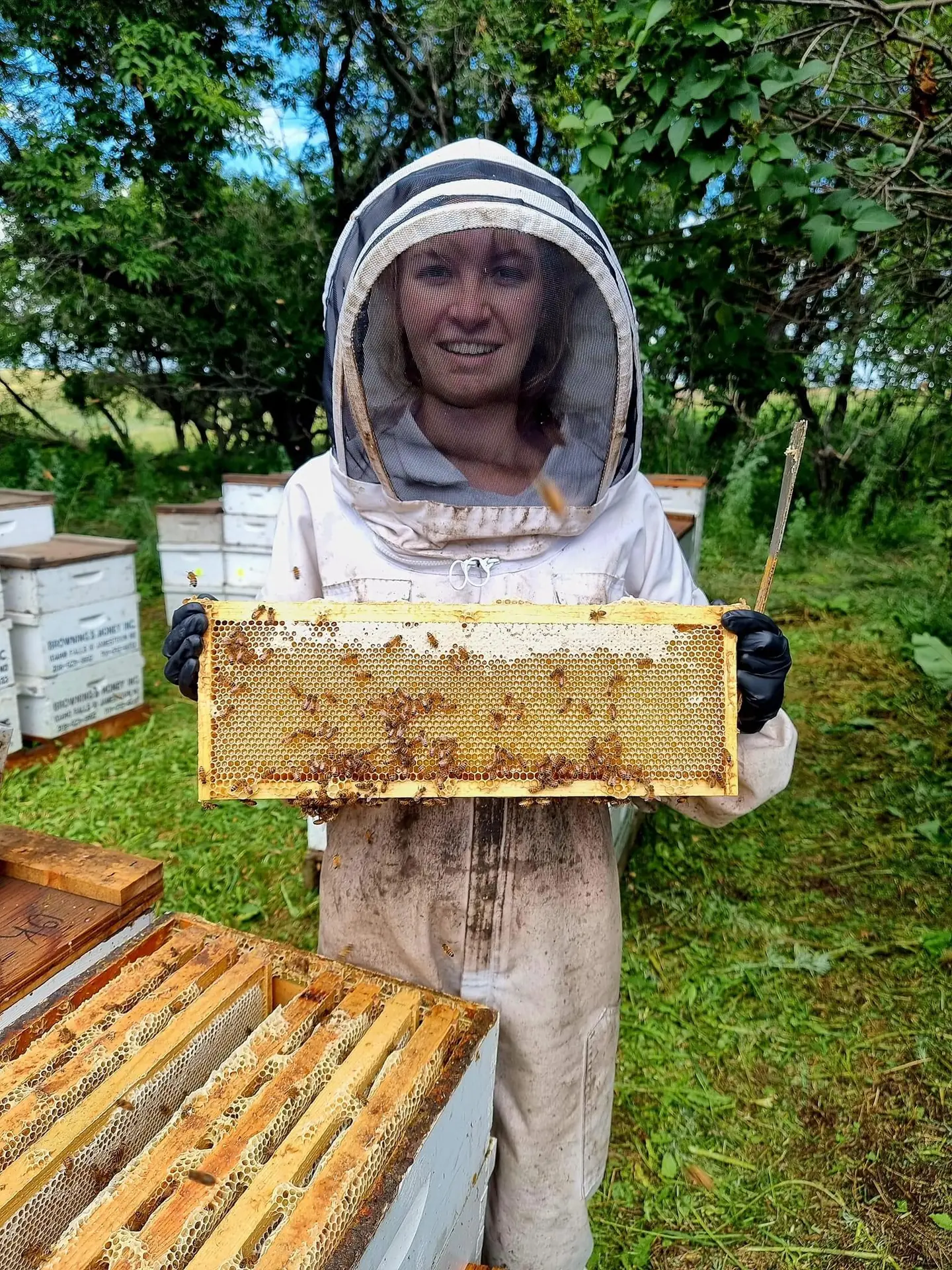
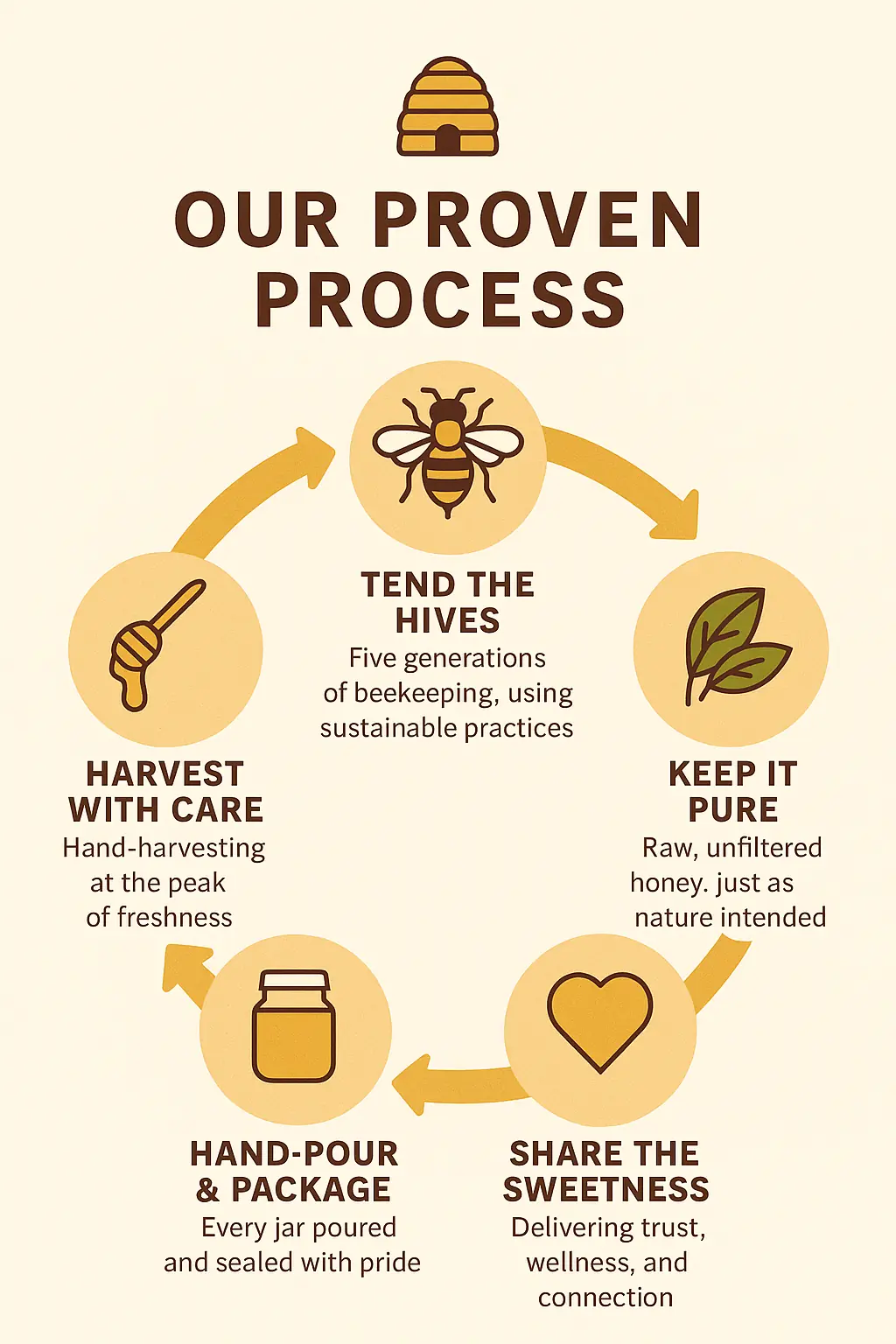
At Browning’s Honey, we believe customers deserve to know exactly what they’re buying. As a fifth-generation family honey company, we produce 100% of the honey we sell — from the hive to the bottle — allowing us to maintain complete control over quality every step of the way.
So how can you tell the difference between real raw honey and heavily processed or imported honey?
Let’s break down what to look for when reading a honey label.
The front of a honey jar is designed to catch your attention — but the most important information is often hidden elsewhere on the package.
Phrases like:
may indicate that the company selling the honey did not actually produce it themselves.
Many honey products move through multiple suppliers, importers, and packing companies before reaching store shelves.
We:
Because we oversee every step of the process, we know exactly where our honey comes from and how it was handled
One of the biggest misconceptions in the honey industry is the phrase “Grade A.”
Many consumers assume “USA Grade A Honey” means:
But honey grading doesn’t actually work that way.
Honey grades are primarily based on:
In other words, grading is mostly about appearance and uniformity — not whether the honey is raw, traceable, minimally processed, or even produced by the company selling it.
A honey product labeled “Grade A” may still be:
That’s why understanding who produced the honey matters far more than simply looking at the grade on the label.
Today’s global honey market can be complicated.
Honey may pass through several different suppliers and brokers before being packaged for consumers. In some cases, customers have very little visibility into where the honey originally came from or how it was handled before bottling.
There are also fewer regulations and less routine testing of imported honey than many consumers realize.
At Browning’s Honey, we believe traceability and accountability matter.
Because we produce 100% of the honey we sell, we know:
Our honey is:
That level of direct oversight simply isn’t possible when honey changes hands multiple times before reaching the shelf.
Not all honey is processed the same way.
Many large commercial honey products are heated to very high temperatures and heavily filtered to create a perfectly clear appearance and delay crystallization.
While this creates a more uniform look on store shelves, excessive processing can remove many of the natural characteristics found in raw honey.
Raw & unfiltered honey naturally contains:
At Browning’s Honey, we choose to keep our honey as close to its natural state as possible.
That means:
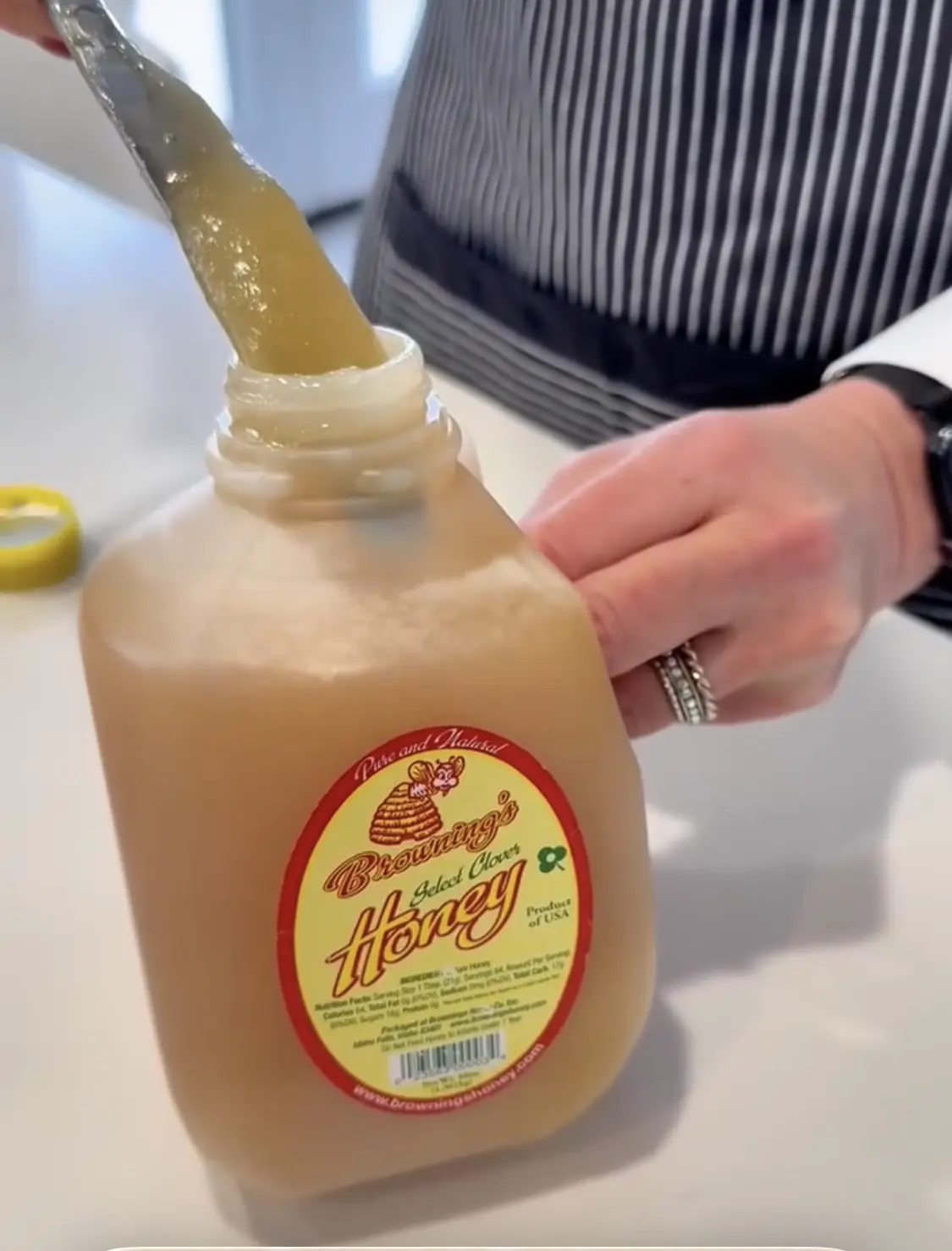
One of the biggest myths about honey is that crystallized honey has “gone bad.”
In reality, crystallization is a natural process and often a sign of real raw honey.
Raw honey naturally crystallizes over time because of its natural glucose content. Highly processed honey is often heated specifically to delay this process.
At Browning’s Honey, we embrace crystallization because it’s part of what makes raw honey authentic.
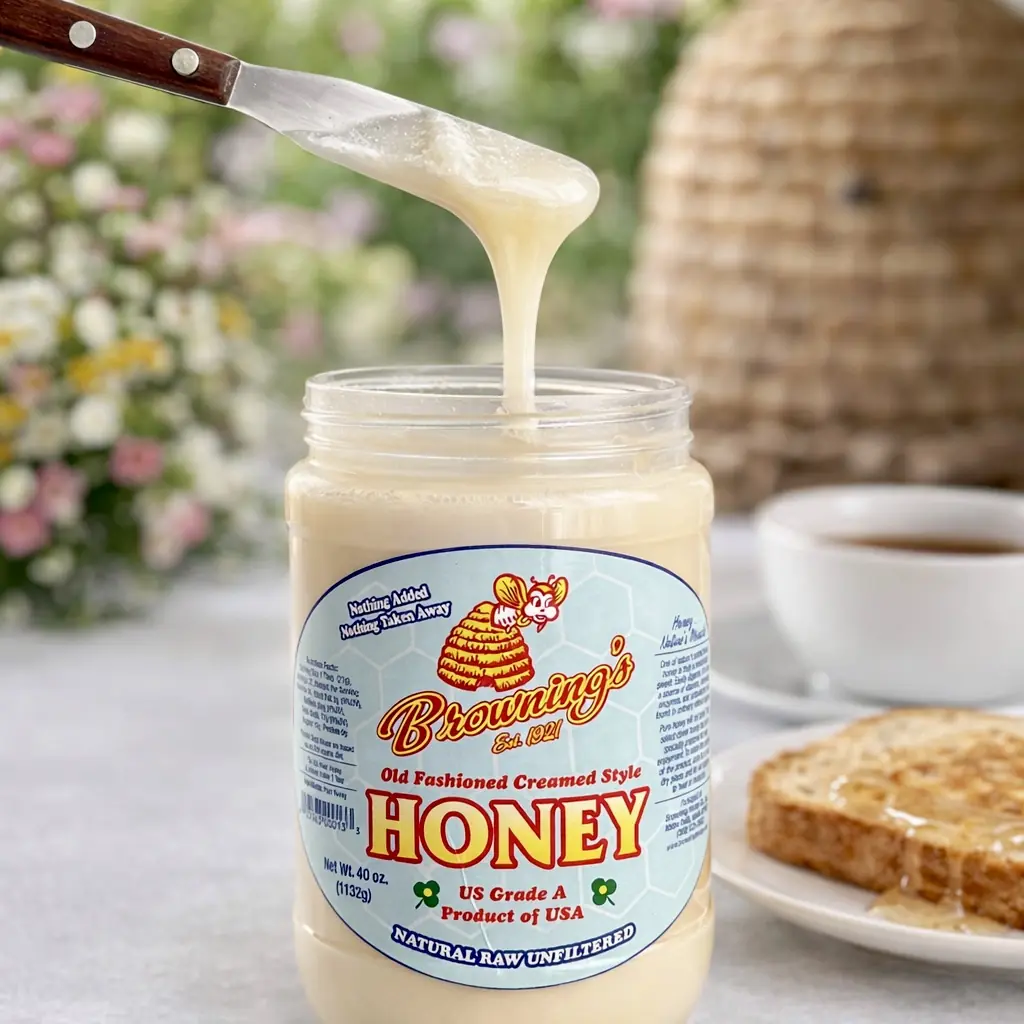
In fact, cream honey is simply carefully controlled crystallized honey with a smooth, spreadable texture that many customers love.
This is one of the most important distinctions consumers often overlook.
Some companies:
Others may simply purchase honey from outside suppliers and package it under their own label.
At Browning’s Honey, we are proud to be true honey producers.
For over 100 years, our family has been directly involved in every stage of the process:
That hands-on involvement allows us to maintain standards we believe our customers deserve.
As a fifth-generation family-owned honey company established in 1921, we believe quality starts with responsibility and transparency.
We’ve never blend our honey with foreign honey, and we take pride in maintaining complete control over the honey we sell.
From almond pollination in California to summer honey production in Idaho and North Dakota, our bees — and our family — are involved every step of the way.
When you purchase from Browning’s Honey, you’re supporting:
Reading a honey label is about more than choosing a flavor — it’s about understanding where your food comes from and who produced it.
The next time you shop for honey, take a closer look and ask:
At Browning’s Honey, we’re proud to answer those questions with transparency and confidence.
Explore our collection of raw & unfiltered honey, cream honey, gift crates, and seasonal favorites at Browning’s Honey.
Stop by our shop or visit us online to explore our full lineup of raw, unfiltered honey, cream honey, and seasonal favorites.
Because when you support local beekeepers, you’re supporting healthy bees, strong agriculture, and a tradition that’s been passed down for generations.
📍 9019 N 5th E
📍 1475 S. Holmes Ave
🌐 https://browningshoney.com/
A Family Tradition Since 1921
September 24, 2026
August 20, 2026
July 23, 2026
July 16, 2026