Back to School with Honey: Simple & Delicious Ways to Fuel Busy School Days
September 24, 2026
Browning's Honey
Buy Raw Honey Online
August 20, 2026
Every year, World Honey Bee Day gives us a reason to celebrate something that is part of everyday life here at Browning’s Honey: the honey bee.
For many people, honey bees mean a jar of honey in the pantry, bees buzzing around summer flowers, or maybe even a reason to move a little faster when one gets too close.
For our family, honey bees have meant much more.
They have been our livelihood, our teachers, our challenges, and the foundation of a family business that has continued for more than a century.
Browning’s Honey began keeping bees in 1921, and five generations later, we are still working with honey bees and producing honey right here in Idaho. World Honey Bee Day gives us an opportunity not only to celebrate these incredible insects, but also to help people understand just how much happens between the hive and the honey jar.
Want to taste the result of all that work? Explore our selection of honey produced and packaged by Browning’s Honey, from classic clover honey to old-fashioned creamed honey and specialty varieties.
World Honey Bee Day is celebrated each year on the third Saturday in August. It began as an effort by beekeepers to increase awareness of honey bees, beekeeping, and the important role pollinators play in our food system.
Of course, we think honey bees deserve more than one day of recognition.
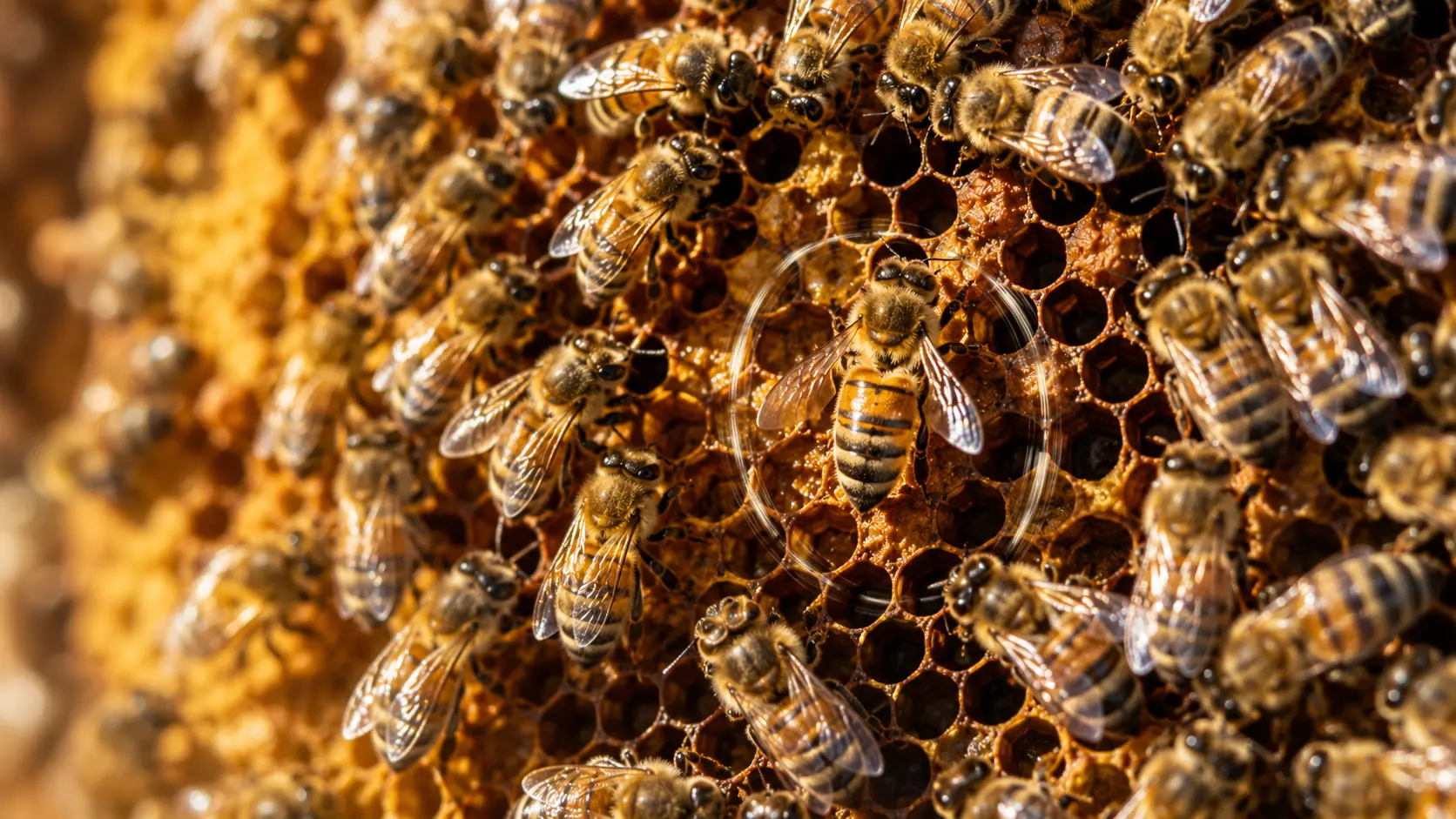
A healthy honey bee colony is a remarkable system. Thousands of individual bees work together, each performing jobs that help the colony survive. Worker bees care for developing brood, clean the hive, build comb, guard the entrance, regulate the hive’s temperature, and eventually leave the hive to forage.
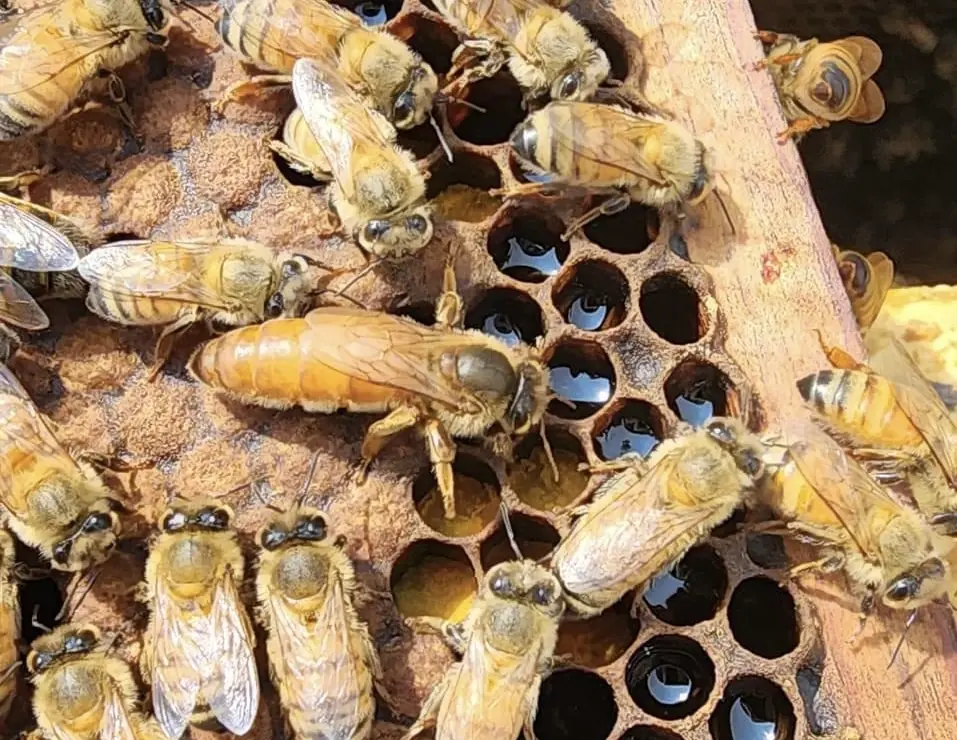
And then there is the queen.
Despite her title, she isn’t exactly sitting on a tiny throne giving orders. Her primary job is reproduction, laying eggs that allow the colony to continue growing and replacing its aging workers.
Together, all those bees function almost like one living organism.
We obviously love honey. But if honey were the only thing honey bees produced, they would still be fascinating insects.
Their work as pollinators, however, makes their impact much greater.
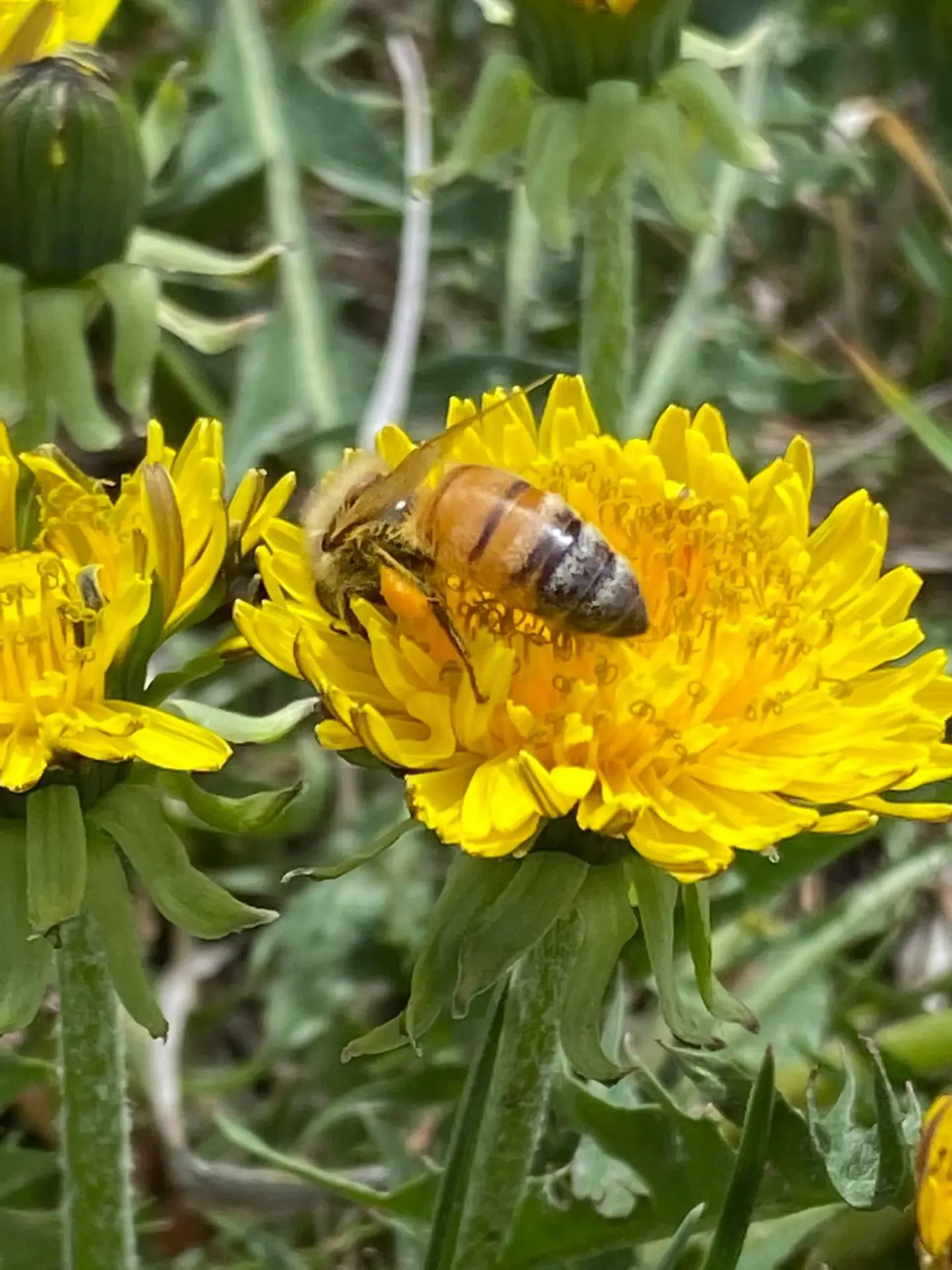
As worker bees travel from flower to flower collecting nectar and pollen, they transfer pollen between blossoms. That pollination helps plants reproduce and allows many crops to develop fruits, nuts, and seeds.
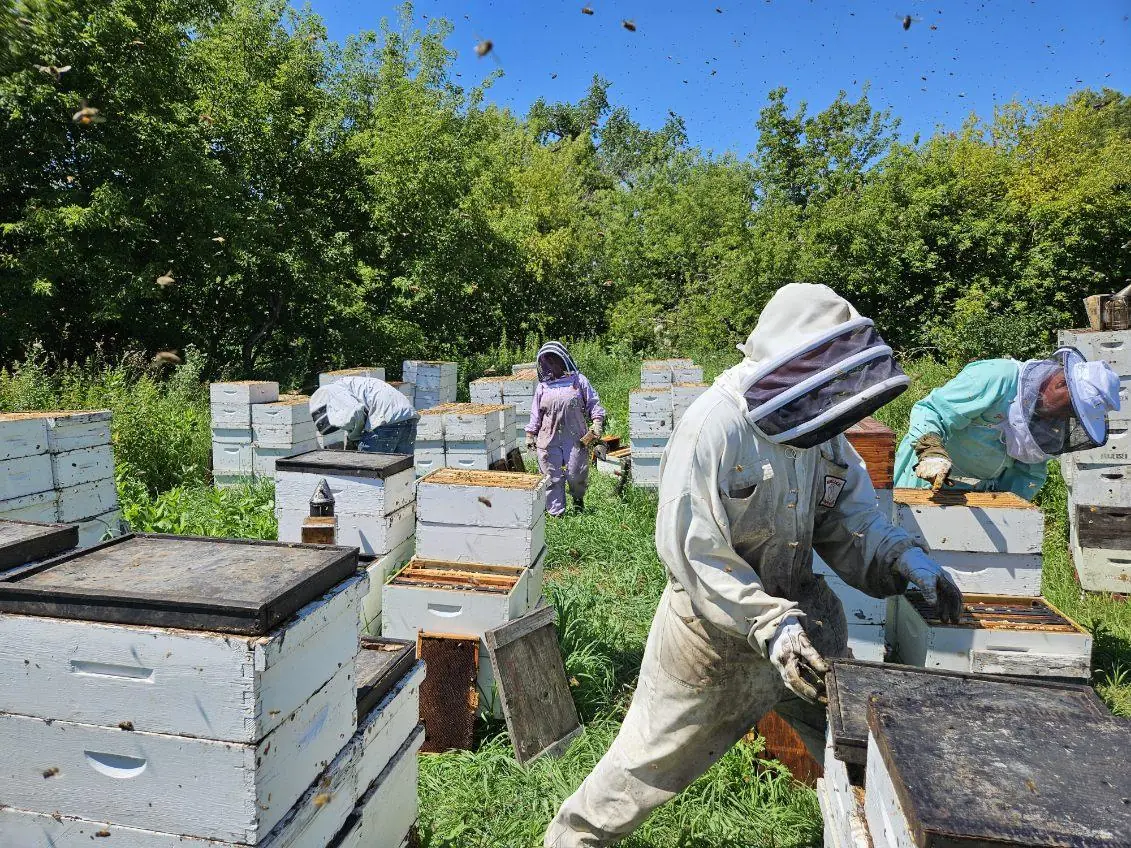
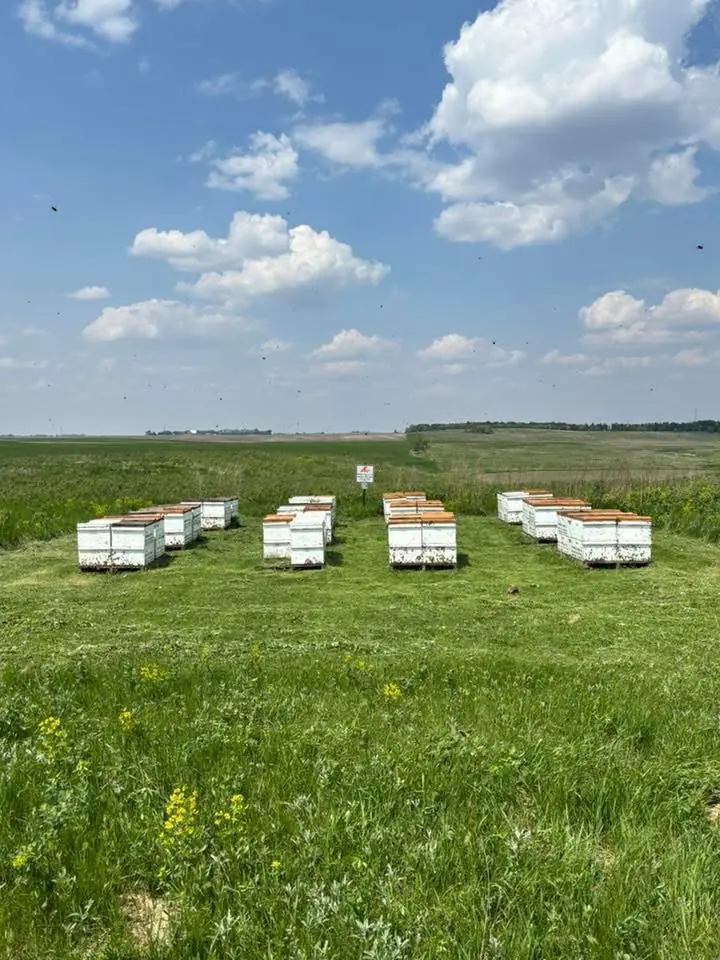
Commercial beekeepers also move colonies specifically for agricultural pollination. Bees may travel hundreds or even thousands of miles throughout a season as beekeepers work with farmers to provide colonies when crops are in bloom.
It is one of the parts of beekeeping most consumers never see.
That jar of honey sitting on your kitchen counter represents only one piece of a much larger agricultural story.
One of our favorite things about World Honey Bee Day is having the opportunity to show people where honey actually comes from.
Honey doesn’t begin in a factory.
It begins with flowers.
A foraging honey bee collects nectar from blossoms and carries it back to the hive. There, the nectar is transferred between bees and placed into the wax cells of the honeycomb. The bees reduce its moisture content until it becomes the thick, shelf-stable honey we recognize.
When the honey is ready, the bees cap the cell with beeswax.
Beekeepers can then remove frames of capped honey from the hive, extract the honey from the comb, and prepare it for packaging.
At Browning’s Honey, we are involved throughout that process. We manage our own bees, harvest our honey, and package it ourselves.
For us, “from our hive to your home” isn’t just a saying. It describes what we actually do.
If you’ve ever compared different varieties of honey, you’ve probably noticed something interesting: they don’t all taste alike.
The flowers available to the bees influence the color, aroma, and flavor of honey.
Some honeys are light and mild. Others are darker, stronger, floral, fruity, or even slightly earthy.
Our clover honey, for example, is known for its light color and mild, familiar honey flavor. It is one of those wonderfully versatile honeys that works just as well drizzled over toast as it does in a marinade, salad dressing, dessert, or glass of lemonade.
That connection between flowers and flavor is one of the things that makes real honey so interesting.
The bees are creating a snapshot of the landscape around them.
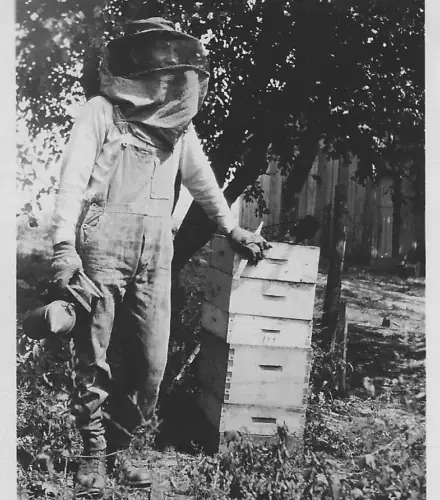
When our family began keeping bees more than 100 years ago, beekeeping looked very different.
Equipment has changed. Trucks have changed. Extraction and packaging equipment have changed. The number of miles bees travel for agricultural pollination has changed dramatically.
But some things haven’t changed very much at all.
Beekeeping still requires watching the weather.
It still requires understanding when plants are blooming.
It still requires knowing what is happening inside a colony.
And it still has a way of reminding you that nature does not always care about your schedule.
Some years produce beautiful honey crops. Other years bring poor weather, drought, colony losses, or other challenges.
After five generations, we’ve learned that beekeeping is as much about adapting as it is about bees.
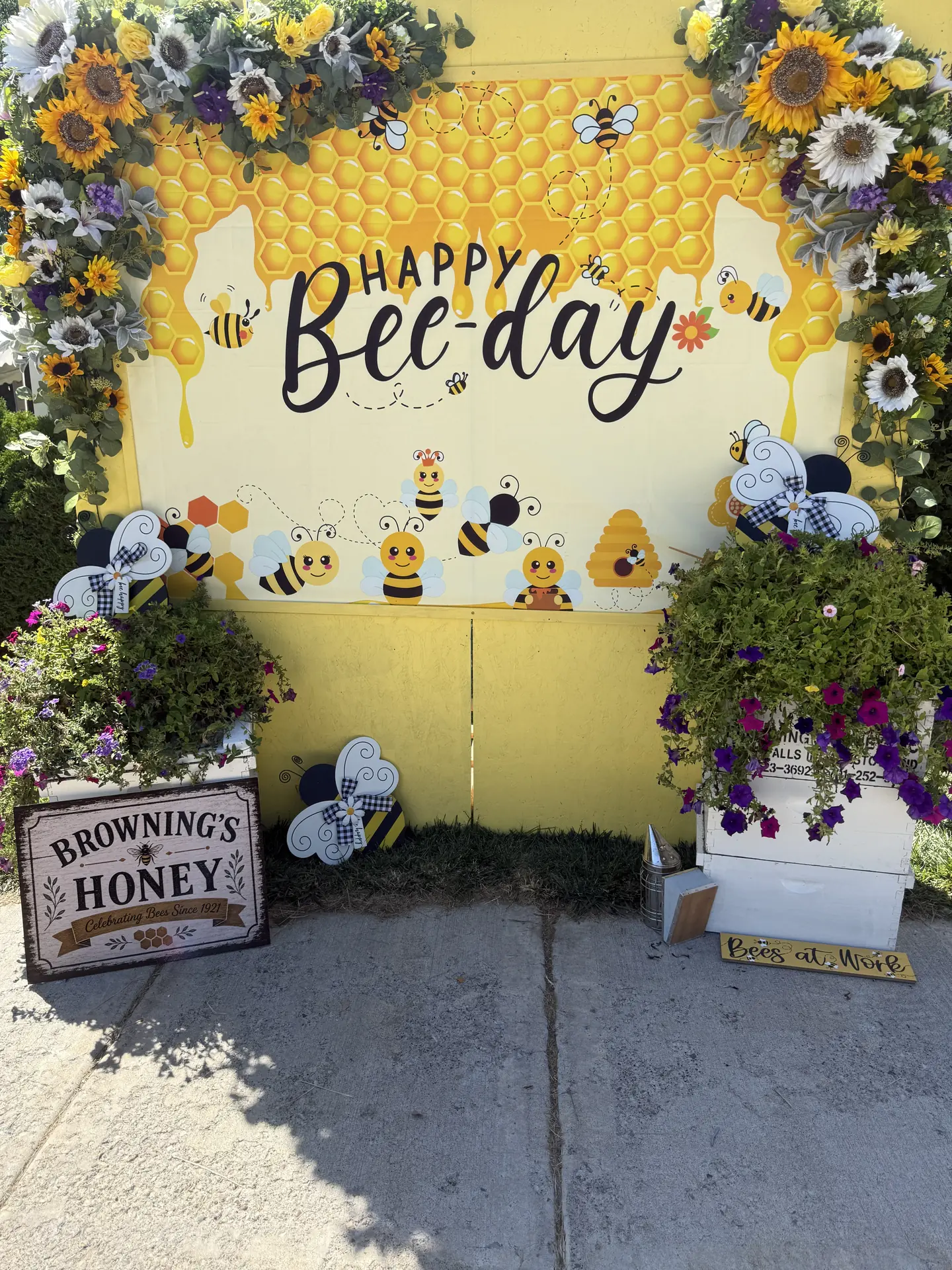
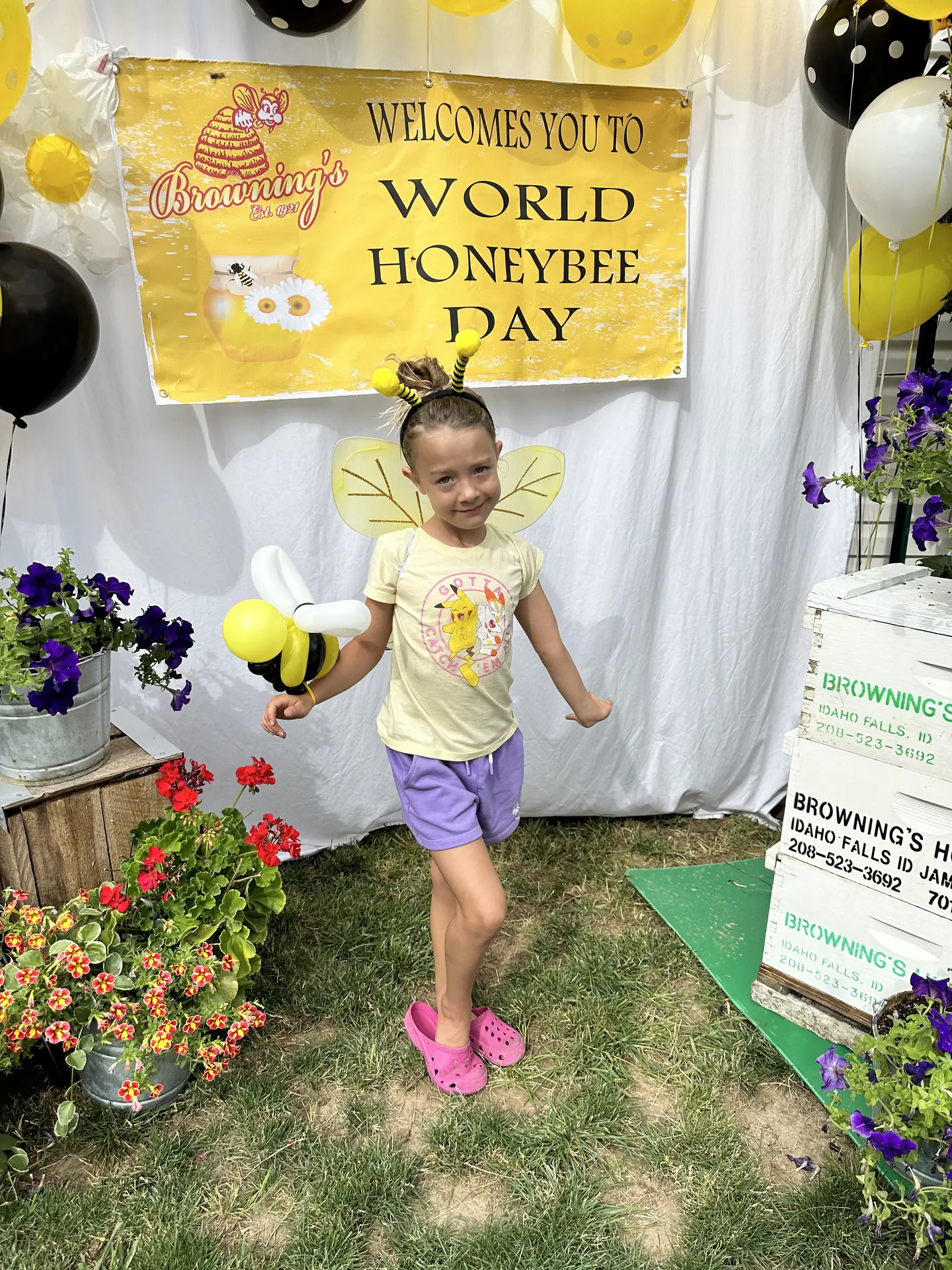
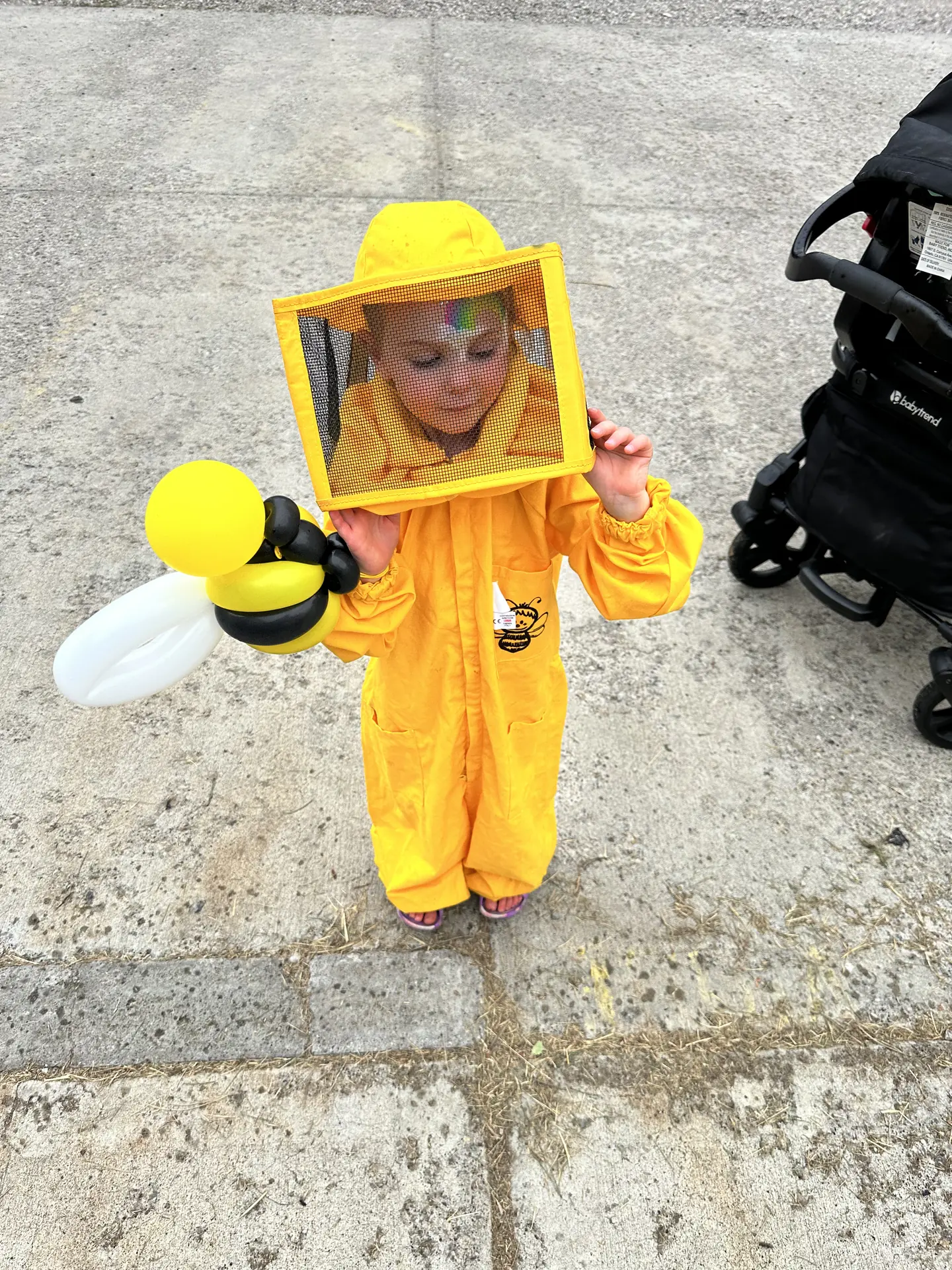
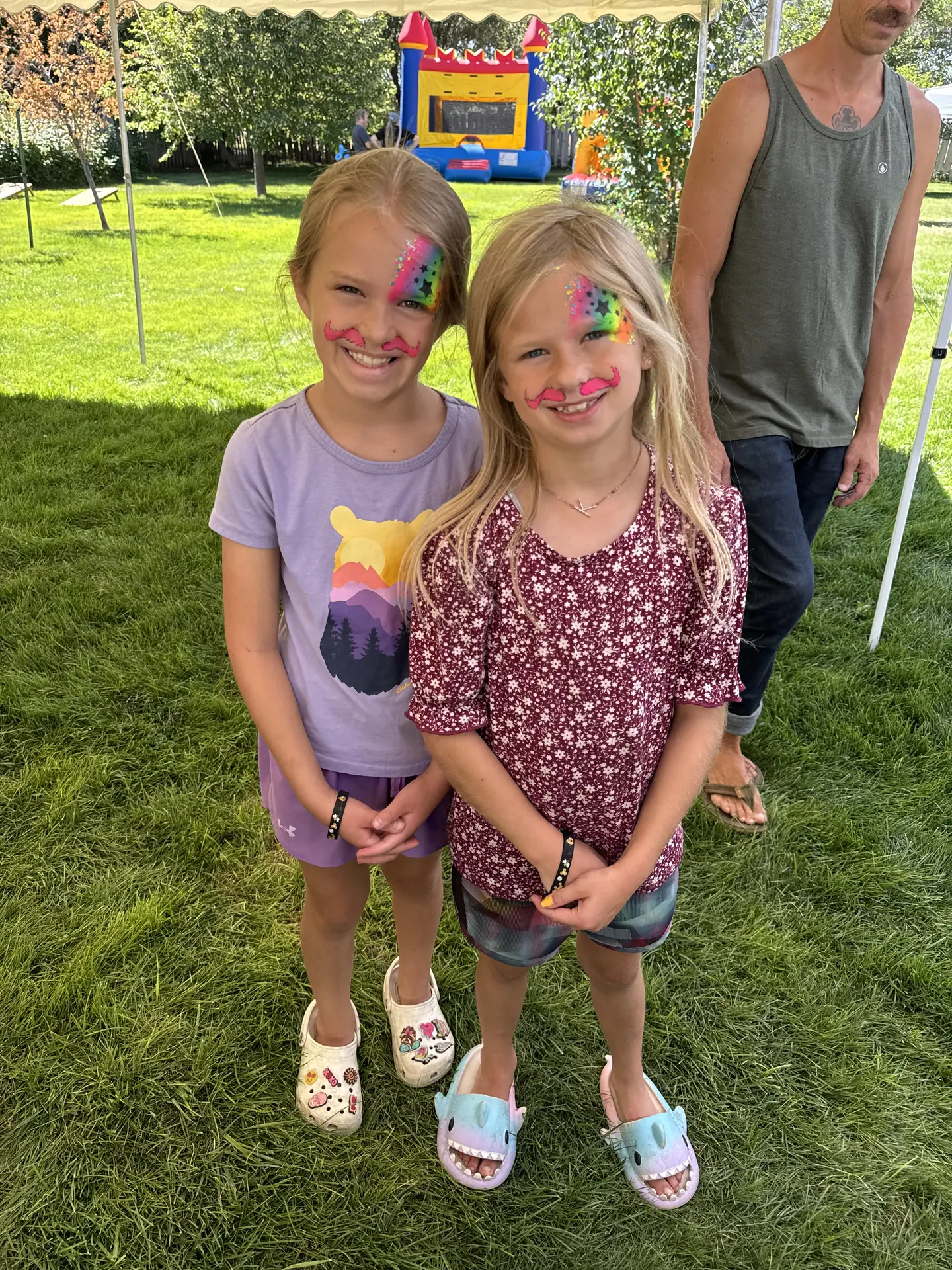
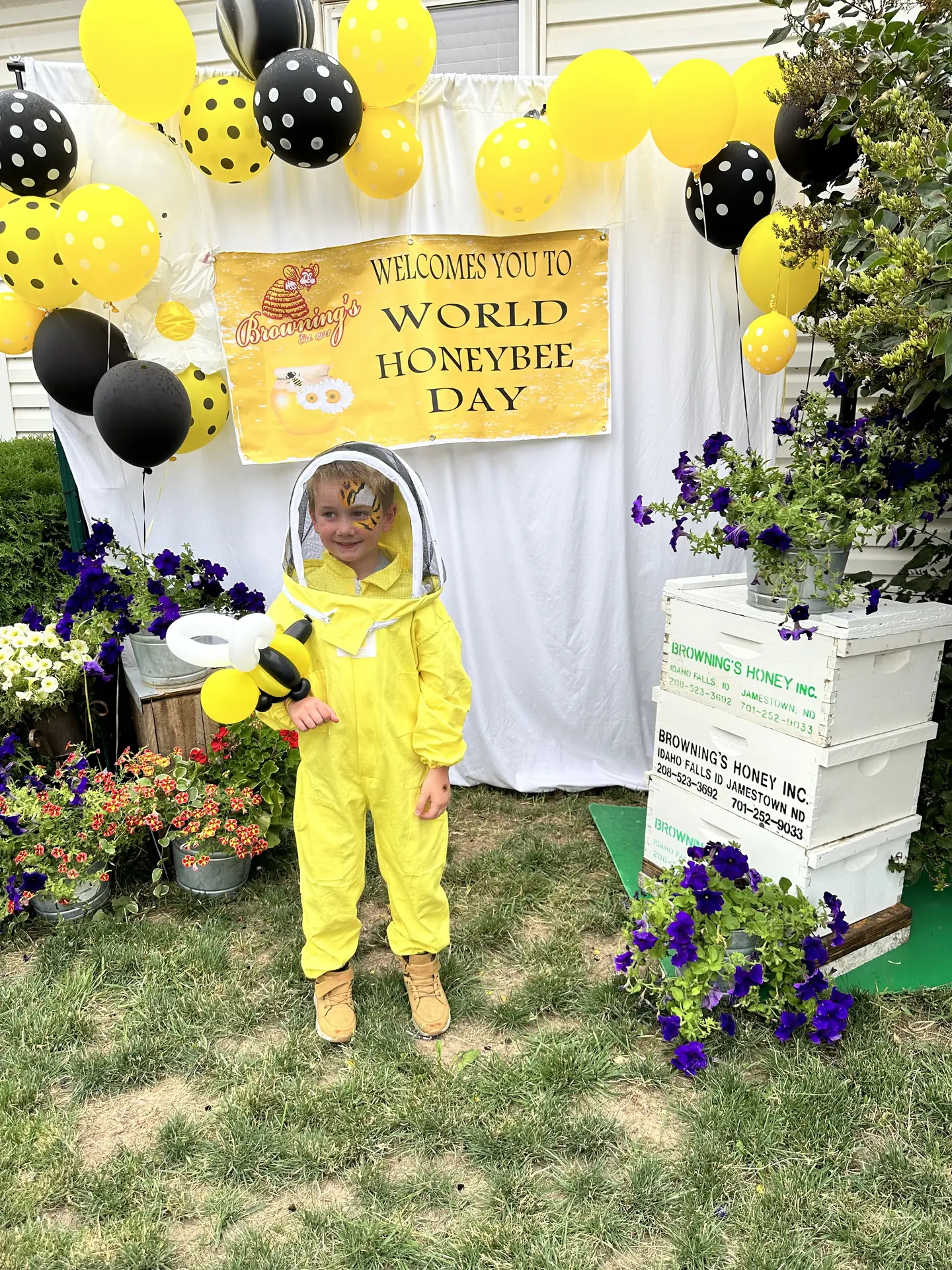
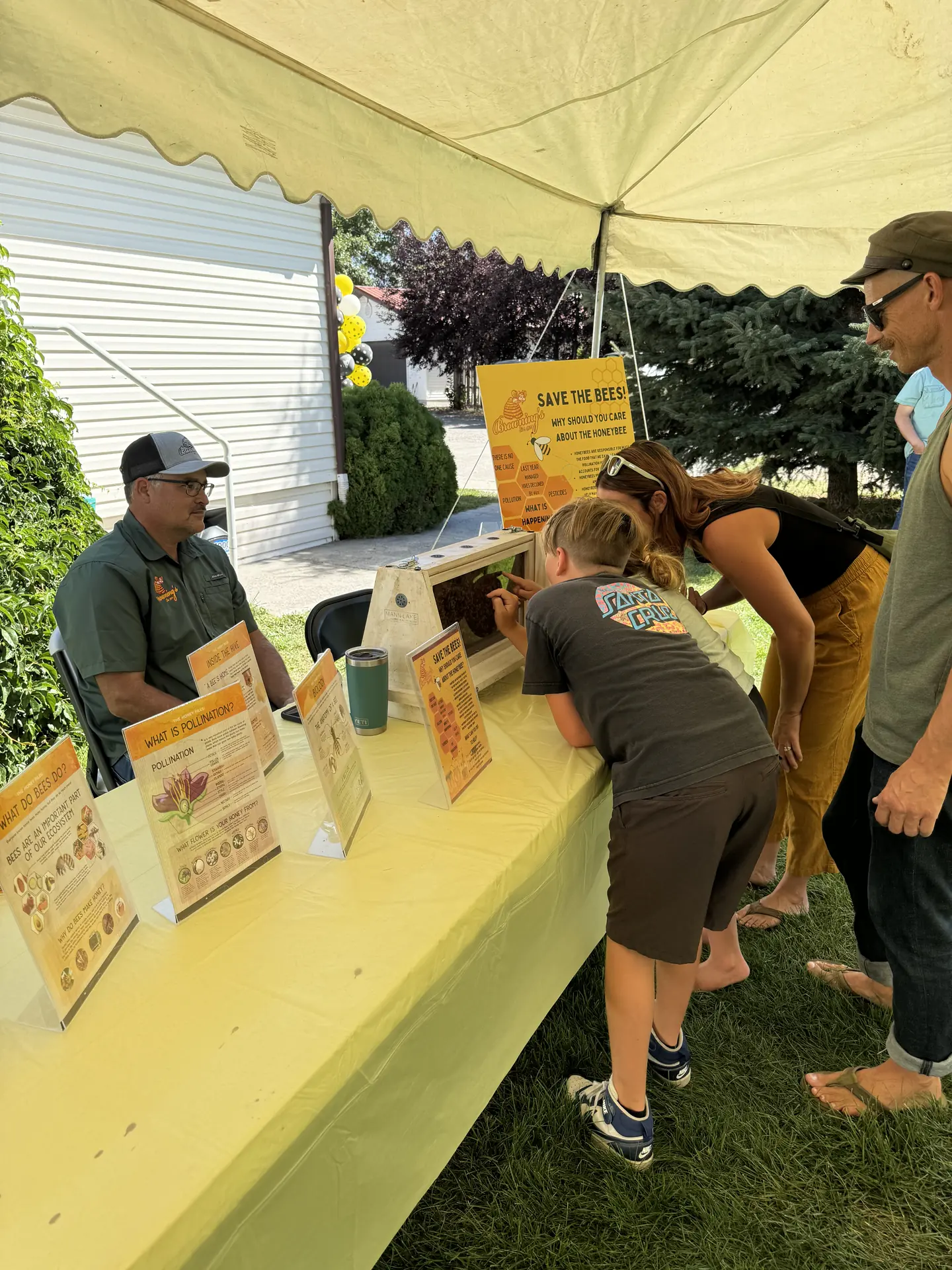
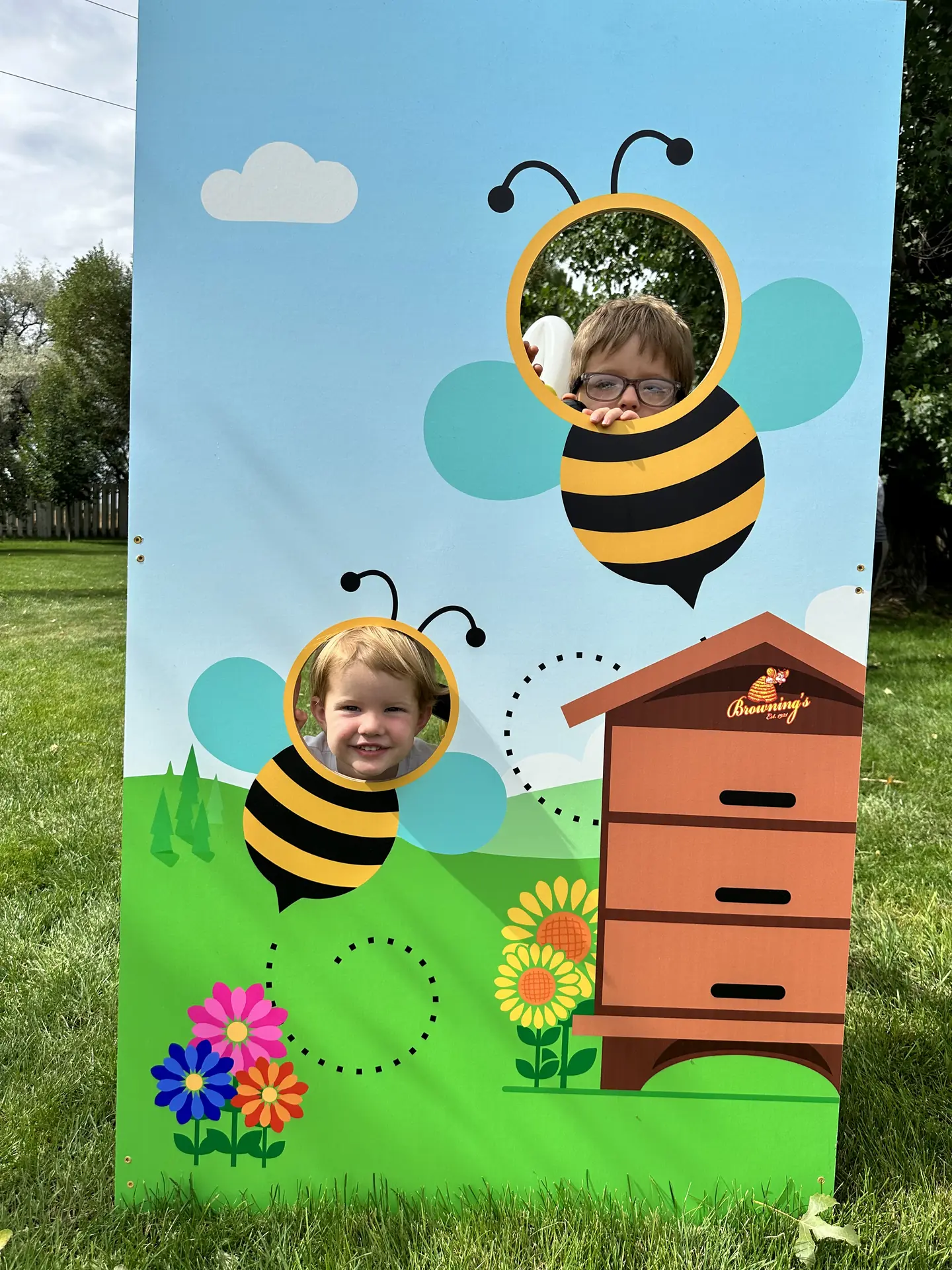
World Honey Bee Day has also become an opportunity for us to invite our community into our world.
At our annual celebration, we get to talk about honey, beeswax, pollination, beekeeping, and the many things honey bees produce. More importantly, we get to answer questions.
Where does beeswax come from?
How do bees make honey?
What does a queen bee look like?
Why are some honeys darker than others?
Can honey replace sugar in a recipe?
Those conversations matter to us because the more people understand about honey bees, the more meaningful that jar of honey becomes.
It isn’t simply something sweet.
It’s the result of flowers, weather, agriculture, thousands of bees, and a beekeeper doing their best to keep those colonies healthy.
You don’t have to become a beekeeper to support honey bees and other pollinators.
Planting a variety of flowering plants is one of the easiest ways to help. When possible, choose plants that bloom at different times throughout the growing season so pollinators have food available from spring through fall.
You can also provide a clean water source, reduce unnecessary pesticide use around blooming plants, and allow a few areas of your yard to be a little less perfect. Clover, dandelions, herbs, flowering vegetables, and other common plants can all provide forage.
And one of the simplest things you can do is support local beekeepers.
When you buy honey directly from a beekeeper, you’re supporting the people who are maintaining the colonies behind the product.
For us, World Honey Bee Day is ultimately about connection.
It’s a connection between bees and flowers.
Between agriculture and the food on our tables.
Between beekeepers and their communities.
And, for the Browning family, it’s a connection between five generations who have built their lives around an insect that weighs only a fraction of an ounce.
We started keeping bees in 1921.
More than a century later, we’re still learning from them.
We’re still fascinated by them.
And we’re still grateful that we get to share what they produce with you.
So whether you celebrated World Honey Bee Day by planting flowers, learning something new about bees, visiting a beekeeper, or simply adding an extra drizzle of honey to your breakfast, we’d say that’s a pretty good way to honor the bees.

At Browning’s Honey, we’re proud to bottle honey that reflects the landscapes our bees call home. Whether you prefer the familiar sweetness of clover, the bright notes of orange blossom, the complexity of wildflower, or one of our handcrafted creamed honey varieties, you’re tasting the unique signature of the flowers that made it possible.
We invite you to explore our collection of pure, natural, and raw honey and discover your favorite floral flavor. You may be surprised by just how different one blossom can taste from another.
➡️ Explore Our Creamed Honey Collection
➡️ Visit Our Idaho Falls Stores
📍 9019 N 5th E
📍 1475 S. Holmes Ave
There’s always something new to discover in the world of honey bees, beekeeping, and the incredible journey from flower to honey jar.
Learn More About Honey Bees
Want to keep exploring the world inside — and beyond — the hive? Discover more stories about the bees, pollination, and the work that makes every jar of honey possible:
Subscribe to The Buzz from Browning’s for weekly recipes, bee facts, special events, and exclusive offers delivered straight to your inbox.
Thank you for visiting Browning’s Honey. Whether you’re here to learn, cook, shop, or simply enjoy the fascinating world of honey bees, we’re grateful to be part of your journey.
September 24, 2026
July 23, 2026
July 16, 2026
July 10, 2026