
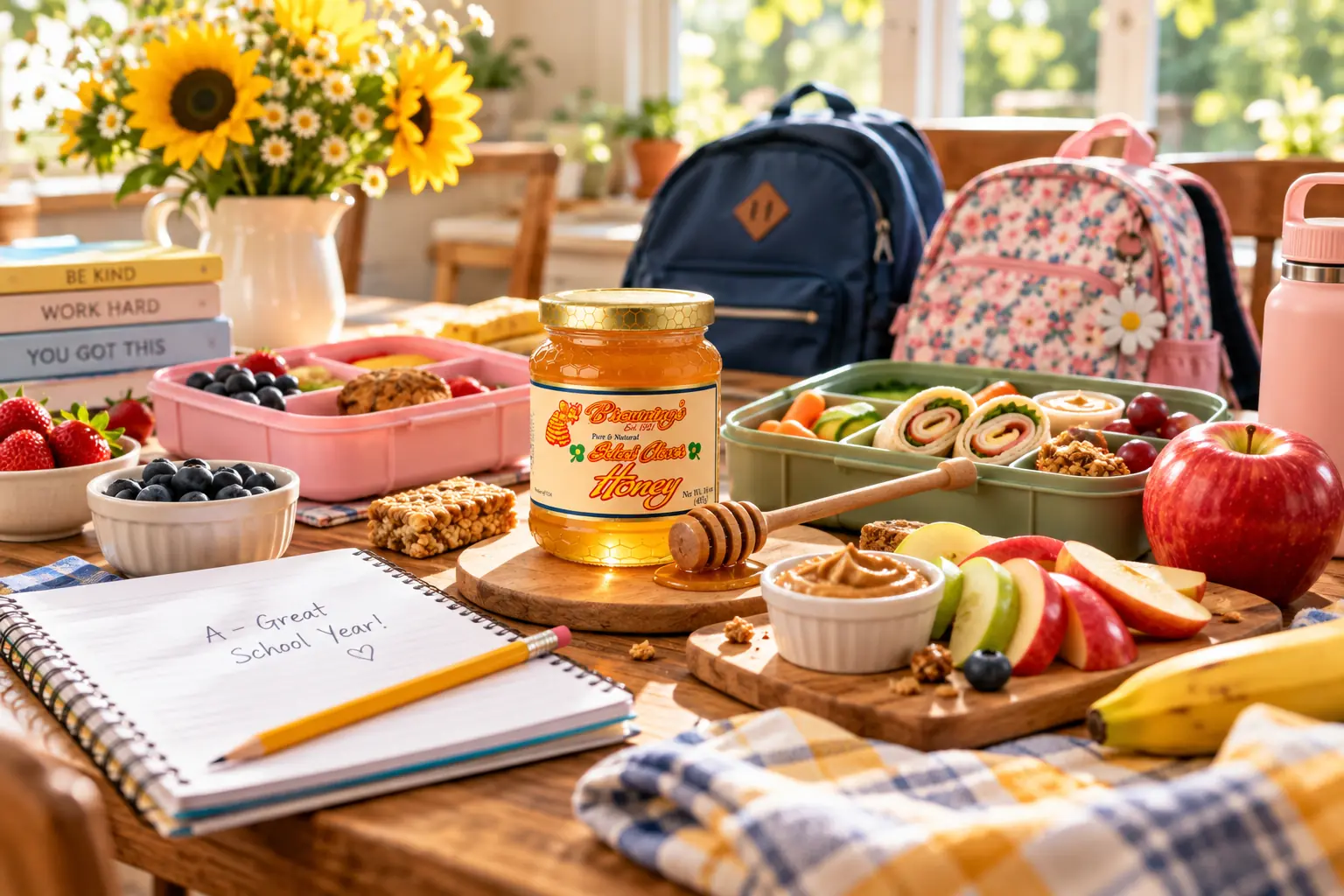
Back to School with Honey: Simple & Delicious Ways to Fuel Busy School Days
September 24, 2026

Browning's Honey
Buy Raw Honey Online
September 22, 2025
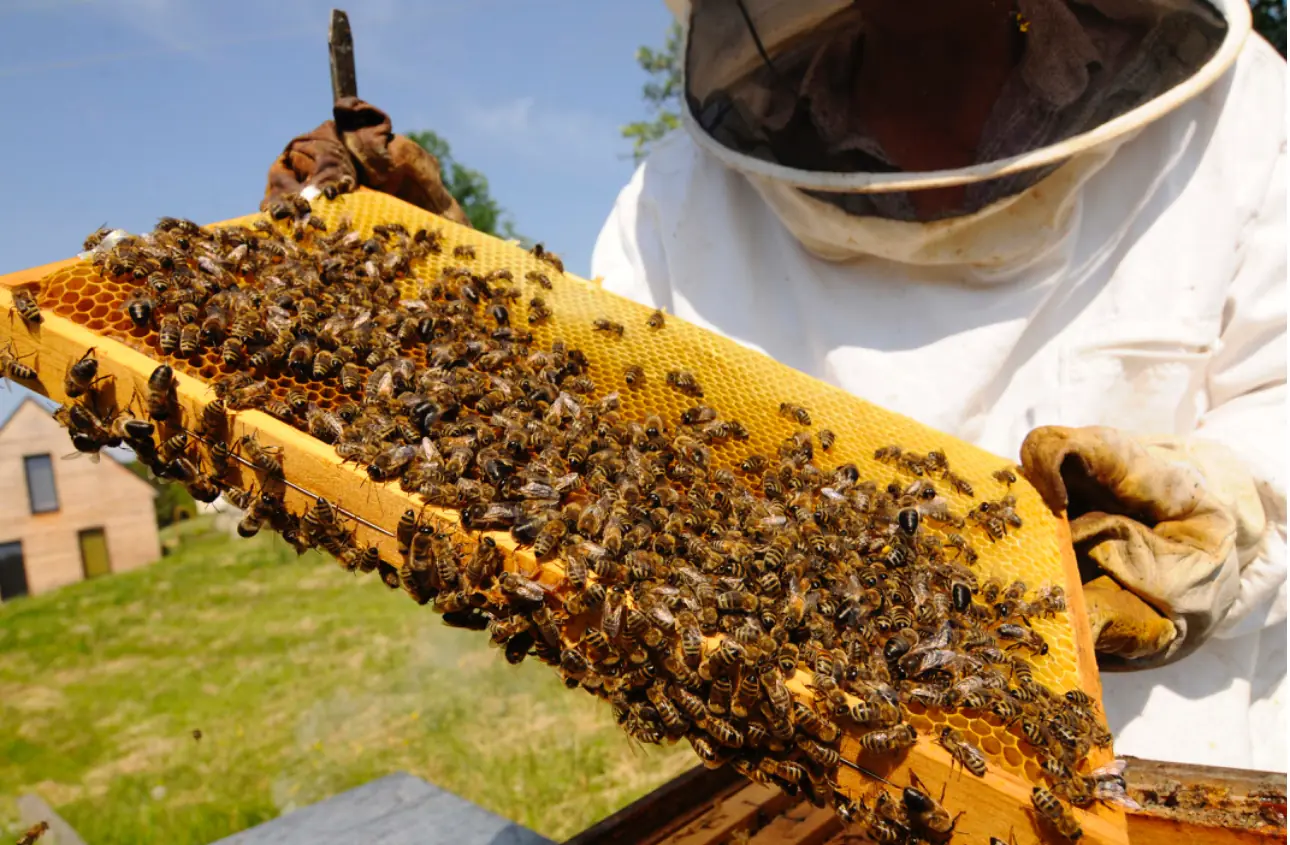
Beekeeping, also known as apiculture, is one of humanity’s oldest agricultural practices. For thousands of years, people have been fascinated by bees, not only for their honey but also for their role in pollination, wax production, and even their symbolic importance.
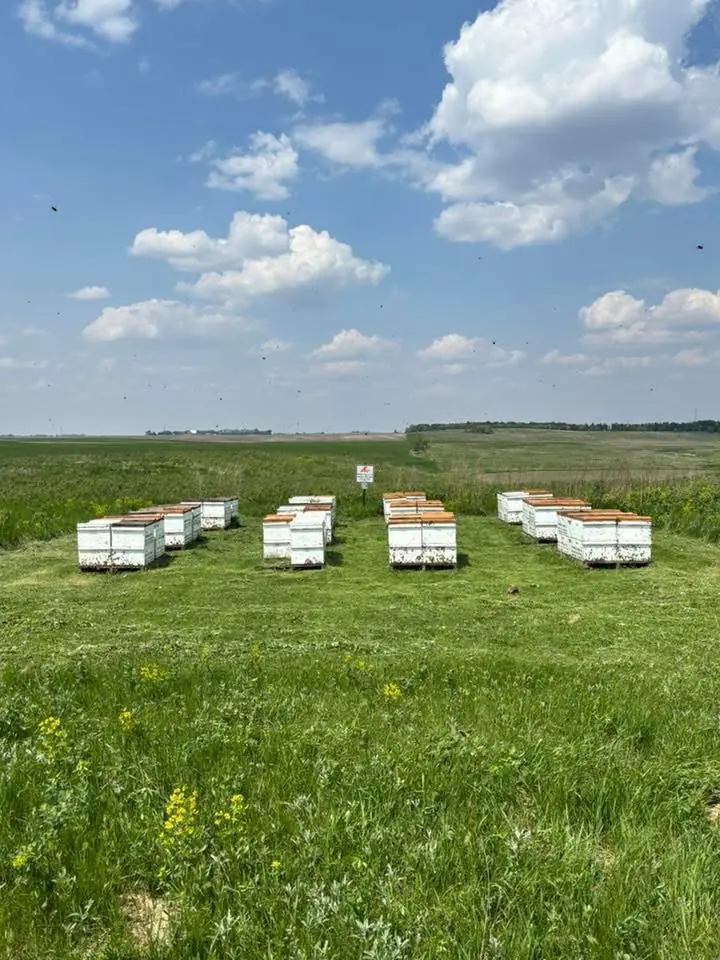
Let’s take a journey through the history of beekeeping and see how this ancient practice evolved into the modern industry we know today. At Browning’s Honey, that tradition continues through our own family-operated apiary, where five generations have worked with honeybees since 1921.
Some of the earliest known depictions of honey gathering appear in prehistoric cave art in Spain, showing humans collecting honey from wild bee colonies thousands of years ago. By around 2400 BCE, Egyptians were keeping bees in clay cylinders, carefully tending to colonies and recording their practices in hieroglyphs. They not only used it as a sweetener but also as a prized offering to gods and pharaohs. Egyptian mythology linked the sun god Ra to the creation of bees.
Ancient Egyptians would use twigs and reeds to create hives and manage honeybee colonies, and clay vessels to store honey. These vessels were stamped with information about the quality and color.
In ancient Greece, honey was considered “the food of the gods” and was used for culinary, medicinal, and religious purposes. Ancient Greeks also recognized the value of and used beeswax. Aristotle wrote about bees in detail, noting their complex behavior and the way they lived in organized colonies. Across the ancient world, honey and beeswax held economic, medicinal, and spiritual significance.
Although harvesting methods have changed dramatically since then, the basic product people valued remains remarkably familiar: raw honey produced by bees from the nectar of flowering plants.
During medieval times in Europe, beekeeping became more structured. Monasteries often maintained hives, using beeswax for candles in religious ceremonies. Beekeepers crafted woven skeps, dome-shaped baskets made of straw, rye grass, reeds, or wicker, to house bees. These traditional hives became so closely associated with beekeeping that the skep remains a symbol of honey even today. Learn more in From Skeps to Superstition: Why the Old Beehive Became the Symbol of Honey.
While effective, skeps required destroying the colony or suffocating the bees with smoke to harvest honey, which limited long-term sustainability. Europeans also used “log hives,” which were carved and painted and occasionally made into sophisticated human figures.
During the colonization of the Americas, European honeybees were among the first animals to be shipped with early settlers. It was used instead of highly taxed sugar and as a source of income. Settlers would make candles, lipstick, shoe polish, and mead.
The 19th century revolutionized beekeeping. In 1851, L. L. (Lorenzo Lorraine) Langstroth, often referred to as the “Father of American Beekeeping,” invented the modern movable-frame hive. This design allowed beekeepers to harvest honey without having to destroy the colony, making apiculture far more sustainable and efficient.
In the mid-19th century, Italian queens were introduced, which further expanded beekeeping, notably in the American West. In 1865, Franz von Hruschka invented the honey extractor, which allowed honey to be removed without damaging the comb. Other innovations and improved protective gear soon followed.
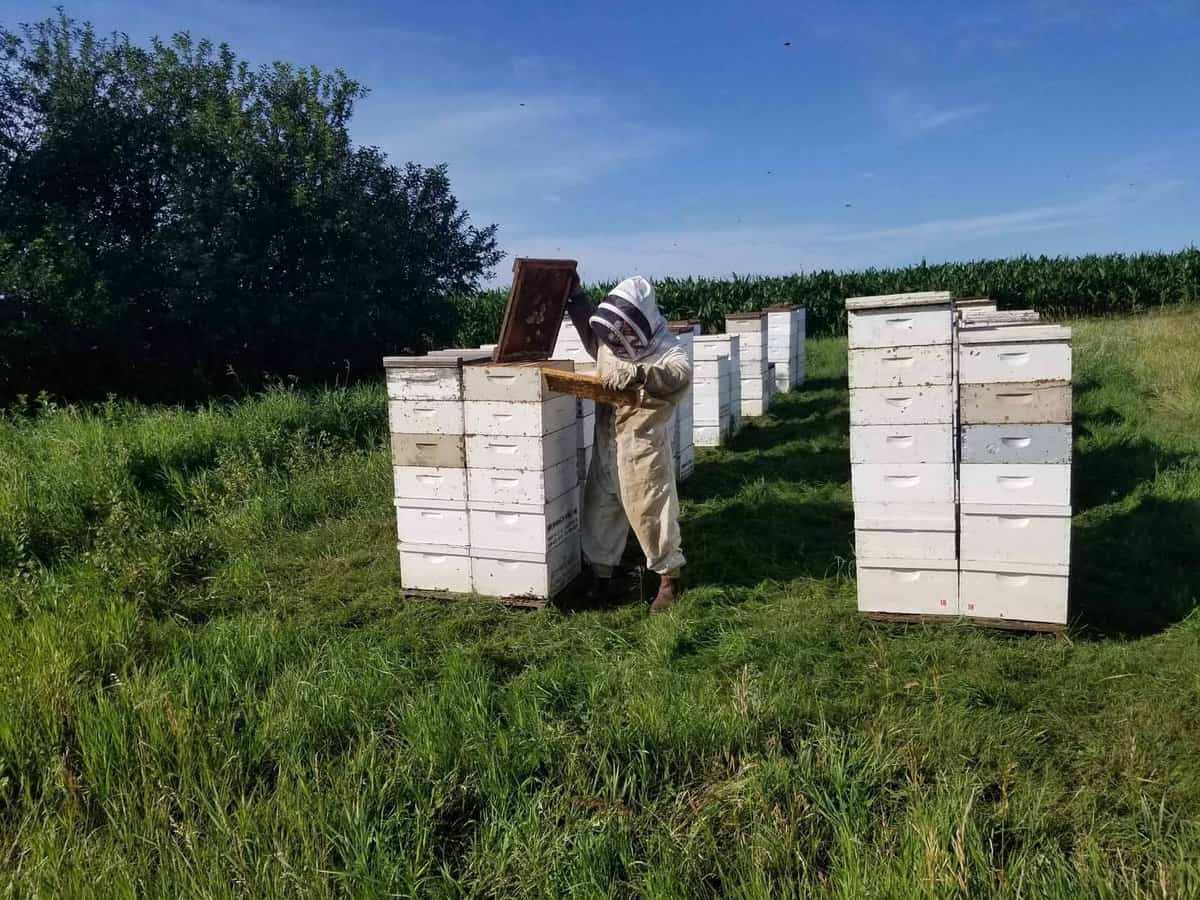
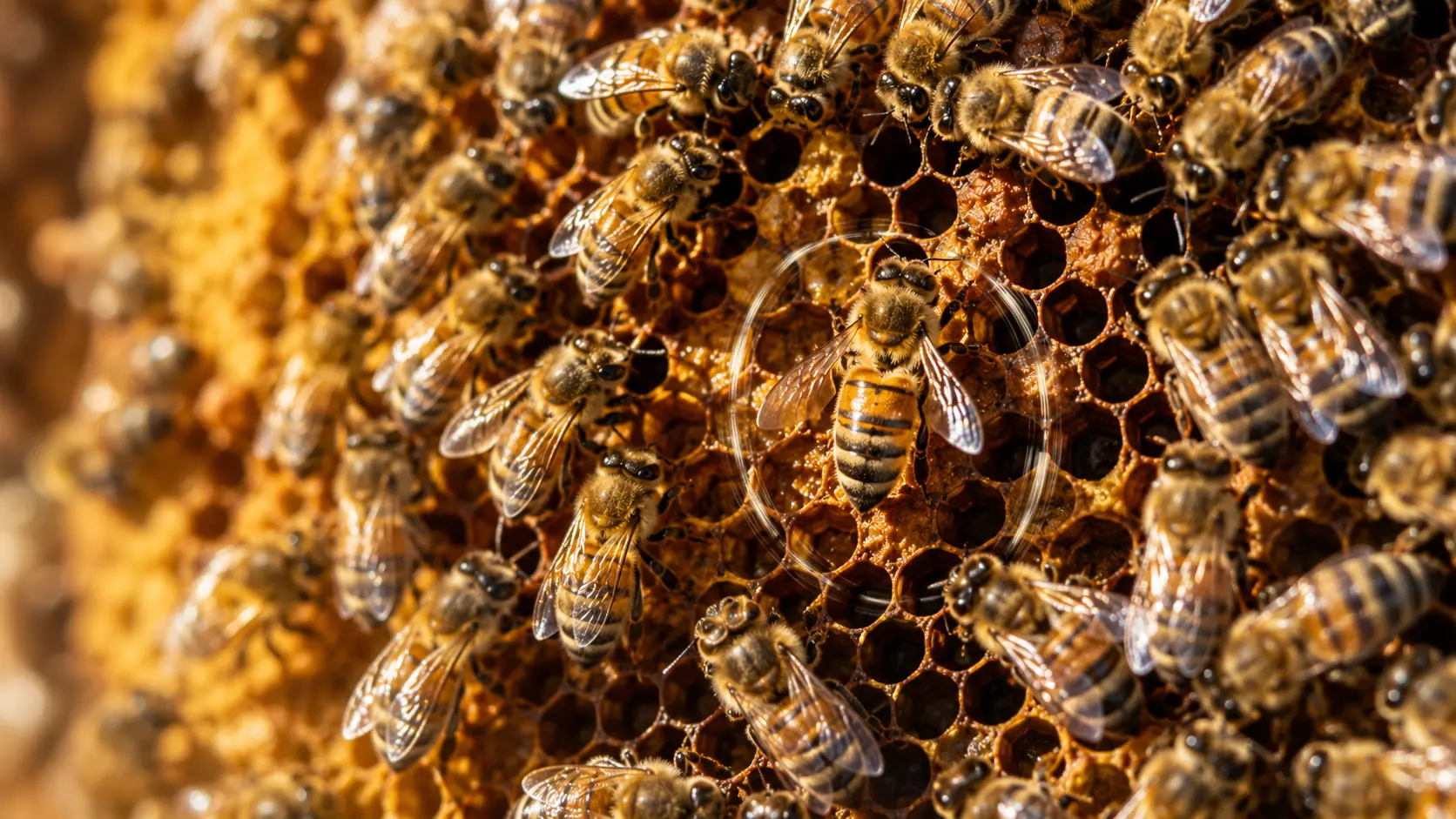
Modern beekeeping blends tradition with technology. Today’s hives are designed to maximize bee health and honey production, while also supporting pollination for agriculture worldwide. Beekeepers now face challenges like pesticide exposure, climate change, and colony collapse disorder, which is the mysterious disappearance of most adult worker bees from a honey bee colony. All these challenges make beekeepers’ roles more important than ever.
At Browning’s Honey, our beekeeping and pollination operation carries forward more than a century of family experience while using modern hive management practices to support honeybee health and agricultural pollination.
When stored in an airtight container, pure, raw honey will never spoil because of its high sugar content, low moisture and pH levels, and natural enzymes, which create an environment where bacteria and other microorganisms cannot survive.
The sugar in honey can solidify over time, making it appear cloudy and thick, but this doesn’t mean it’s gone bad. This natural process is known as crystallization and doesn’t mean your honey has spoiled. Learn why it happens and how to return honey to a liquid state in The Science Behind Crystallized Honey.
If your honey has mold on the surface or smells sour, it has been exposed to enough moisture and contaminated air to go bad.
From ancient clay hives to modern apiaries, beekeeping has always been about more than just harvesting honey. Bees are vital pollinators for much of the world’s food supply, making beekeeping crucial to global agriculture and ecosystems. By understanding its history, we can better appreciate the deep bond between humans and bees.
You don’t have to become a beekeeper yourself to play a role in protecting pollinators. Explore how to support honeybees through bee-friendly gardening, responsible purchasing choices, and other simple actions.
The history of beekeeping is a story of adaptation, innovation, and respect for nature. What began as simple honey gathering evolved into a vital practice that supports agriculture, ecosystems, and communities around the world. Today, Browning’s Honey is proud to carry that tradition forward through our family apiary and our collection of raw honey, continuing a beekeeping legacy that began in 1921.
September 24, 2026
August 20, 2026
July 23, 2026
July 16, 2026