Back to School with Honey: Simple & Delicious Ways to Fuel Busy School Days
September 24, 2026
Browning's Honey
Buy Raw Honey Online
July 24, 2025
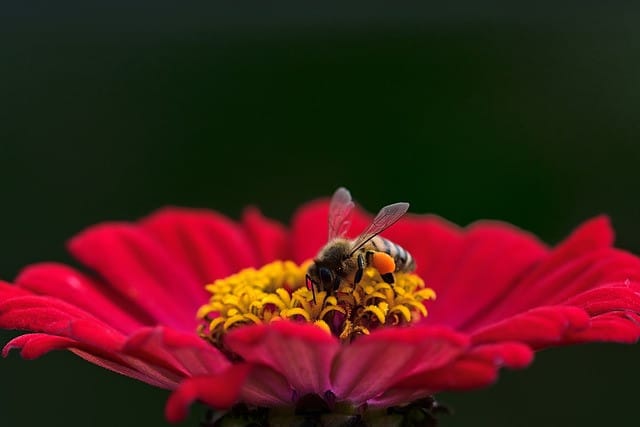
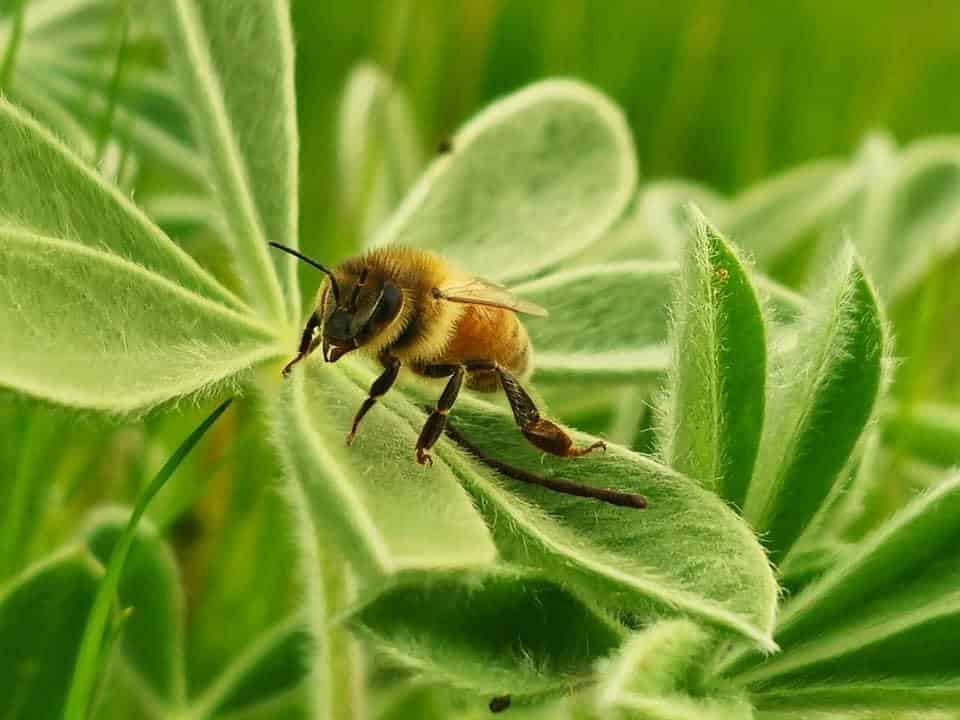
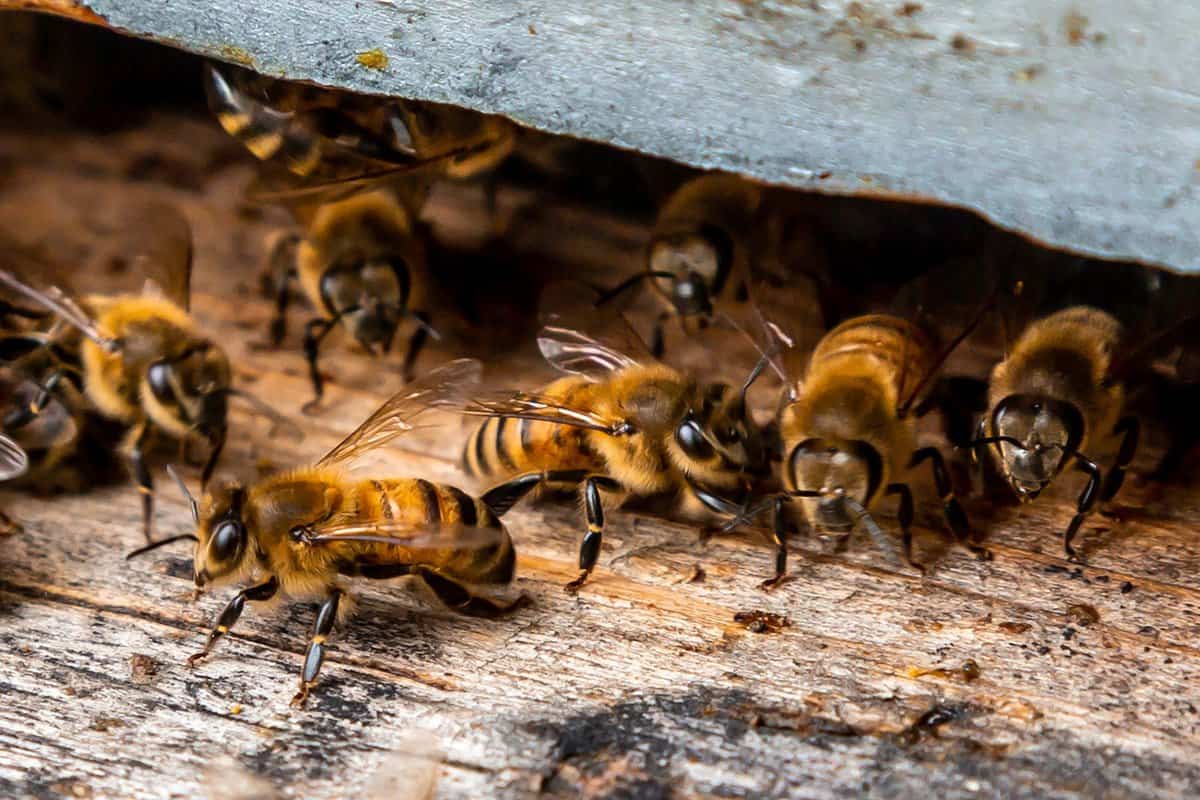
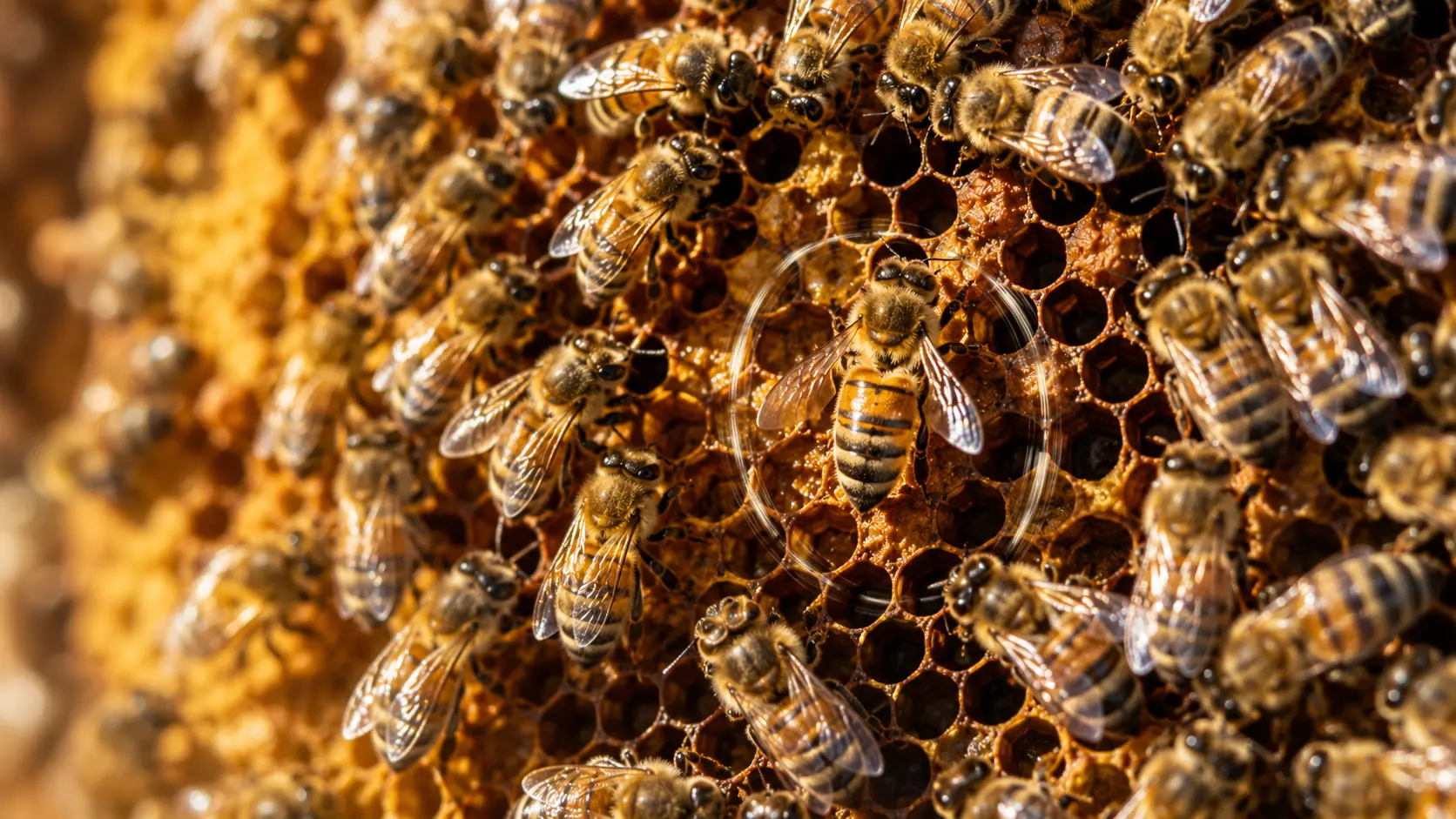
Honey bees play a vital role in pollinating the plants that produce much of our food. Unfortunately, their populations have been declining due to habitat loss, pesticide use, parasites, and disease. The good news? You don’t need to be a beekeeper to help. You can support your local bee population from your own backyard and neighborhood.
Bees rely on flowers for nectar and pollen. The plants available to bees don’t just provide food—they can also shape the flavor, color, and aroma of the honeybees produce. Learn more about how flowers change the flavor of honey and why floral source matters.
You can support them by planting a variety of native, pollinator-friendly plants. Because they become active during specific times of the year, make sure you plant flowers that bloom from early spring to late fall to ensure bees have a constant food source.
Top picks include:
Avoid hybrid flowers; they may look pretty, but they offer little nectar or pollen. If you find it difficult to find native plants in your area, research non-invasive pollinator-friendly alternatives appropriate to your location.
If possible, consider also planting trees, such as maple trees, fruit trees, dogwood trees, serviceberry trees, and other bee-friendly species. Trees provide bees with more food and spaces to nest, especially in the early spring before smaller plants begin to bloom.
Fun Fact: Bees must visit two million flowers to make one pound of honey.
Even small amounts of pesticides — especially neonicotinoids — can be deadly to bees. Opt for organic gardening practices, natural pest control methods, or bee-safe alternatives if you must treat plants.
Instead of pesticides, consider using:
Neem Oil — This is a broad-spectrum insecticide and fungicide derived from the neem tree. It works against pests, such as aphids, scale, and whiteflies. While considered safe for bees, avoid spraying directly on open blooms, where bees are.
Insecticidal Soap — These soaps are made from fatty acids and work against soft-bodied insects like aphids, mites, and whiteflies by disrupting the insects’ cell membranes. Like neem oil, avoid spraying when bees are present.
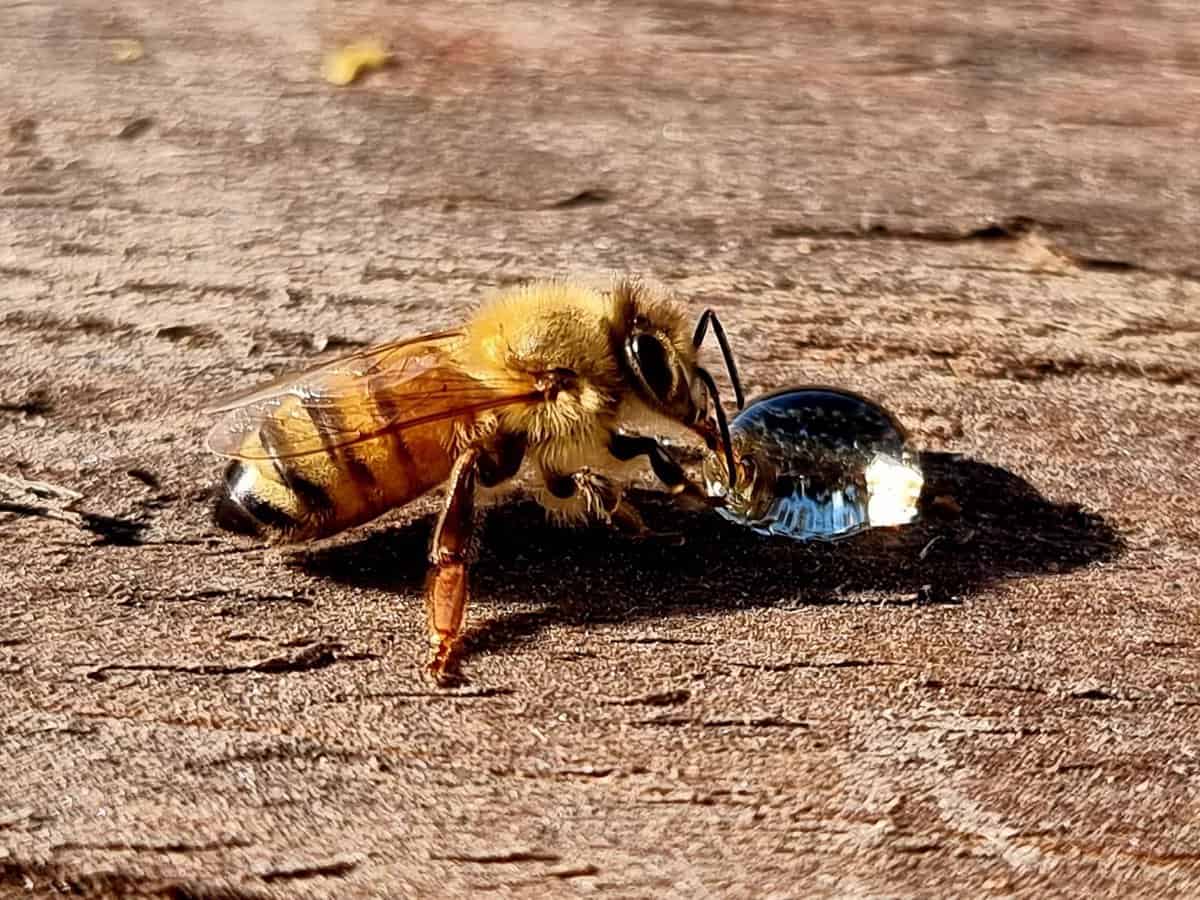
Like all creatures, bees need water. Add a shallow dish with clean water and pebbles or twigs where they can land safely. Place it near flowering plants or shaded areas to create a bee oasis. Dump the water every few days and replace it with fresh water to eliminate any mosquito larvae in the water.
If you come across a sleepy or lethargic bee, you can try offering it a solution of water and sugar to boost its energy.
Support your local beekeepers by buying raw, unfiltered honey, beeswax candles, and other bee-made products from local or trusted beekeepers. Bee-inspired gifts, home décor, and other gifts and novelties can also help celebrate honeybees and keep conversations about pollinators going long after the purchase.
Choosing honey from beekeepers who prioritize colony health and sustainable practices helps support the work required to maintain healthy bee populations.
If honey is a staple in your home, kitchen, business, or food service operation, purchasing bulk honey is another way to support beekeepers while reducing the amount of individual packaging you use.
At Browning’s Honey, supporting healthy honeybee colonies is at the heart of what we do. You can support that work by shopping our honey and beeswax products online or visiting one of our Idaho Falls gift shops, where you’ll also find bee-themed gifts, décor, and other products inspired by pollinators.
Not all weeds are bad — clover, dandelions, and goldenrod are great food sources for bees, especially in early spring or late fall. Letting parts of your yard grow a little wild can make a big difference.
Many native bees, like mason bees, don’t live in hives but instead nest in the ground or hollow stems. You can help by:
Be mindful when mowing and make sure you don’t destroy any underground bee nests.
Not all bees you encounter will be honey bees. North America is home to over 4,000 species, including bumblebees, mason bees, and leadcutter bees. Many of these are more efficient pollinators than honey bees. Supporting honey bees means supporting all bees, as they all work together to support the ecosystem.
Honeybee colonies themselves are also made up of several specialized castes. Learn more about the roles of queen, worker, and drone bees and how each contributes to the colony.
Talk to your neighbors about bee-friendly gardening, support local conservation efforts, and encourage your community to plant pollinator gardens in shared spaces like schools and parks. Encourage local governments to adopt policies that promote bee habitats and reduce pesticide use.
Small choices add up. Planting pollinator-friendly flowers, avoiding harmful pesticides, and supporting responsible beekeepers by choosing raw honey, bulk honey, and other bee-inspired products are all simple ways to help keep honeybees—and the ecosystems that rely on them—thriving.
Learn more about our beekeeping and pollination operation and how Browning’s works with honeybee colonies throughout the year.
September 24, 2026
August 20, 2026
July 23, 2026
July 16, 2026